  1. Home
  2. Mobile
  3. Legacy Archives

Microsoft demands $15 from Samsung for every Android phone sold

Add as a preferred source on Google
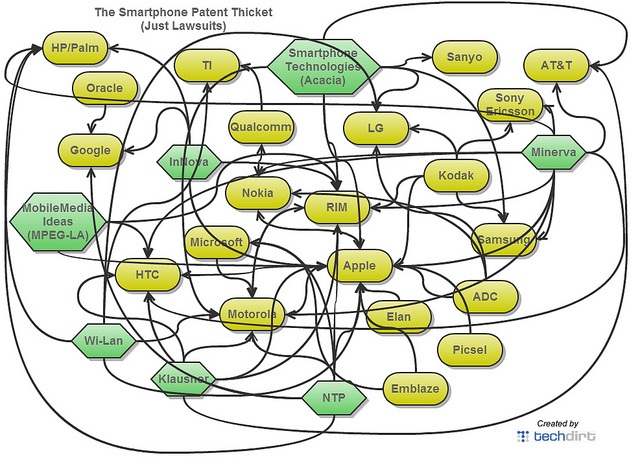
smartphone-patent-lawsuits-graphic
Image used with permission by copyright holder

What do you do if you’re a company that makes all its money from selling operating systems and a competitor springs up and offers its operating system to phone makers for free? Well, if you’re Microsoft, you’d try to get all phone manufacturers to give you $5-$15 for every Android handset they sell. So far, the strategy is working. Microsoft has signed deals with four companies, including HTC, in the last few weeks guaranteeing broad patent protection from Microsoft in exchange for an undisclosed number of dollars for each Android handset sold. Microsoft’s next target: none other than Samsung.

According to Reuters, Microsoft is demanding that Samsung pay $15 for each Android smartphone it sells due to software patent infringement by Google’s OS. Samsung may need some patent protection too. The company is embroiled in a bitter lawsuit with Apple, which alleges the South Korean company copied its iPhone.

Recommended Videos

It’s speculated that Samsung may accept a lower dollar amount ($10) if Microsoft gives it a discount on manufacturing Windows Phone handsets.

Though its Windows Phone OS has yet to take off, Microsoft is getting quite crafty and will soon pull in more revenue from Android devices than its own smartphone efforts. Like a mafia leader, Microsoft is both forcing manufacturers to pay it through threats of lawsuits and assurance of broad protection under its army of patents should a licencee get sued by another company–something that happens more often than you’d think in the mobile world. It’s costly $4.5 billion victory against Google in the recent Nortel patent auction will only bolster this strategy, we assume.

Jeffrey Van Camp
As DT's Deputy Editor, Jeff helps oversee editorial operations at Digital Trends. Previously, he ran the site's…
Snapchat Planets: What’s the order, and what do they mean?
Snapchat Planets turns your best friends list into a solar system, and yes, your orbit says a lot
Snapchat Planets being shown on the Snapchat app on iPhone.

Snapchat is already packed with little symbols that can be weirdly hard to decode. You have streaks, emojis, badges, scores, Best Friends, and if you use Snapchat Plus, a tiny solar system that shows where you sit in someone’s closest-friends list.

The feature is called Friend Solar System, though most people just call it Snapchat Planets. It takes your position in a friend’s Snapchat orbit and turns it into a planet. From Mercury to Neptune, these celestial bodies signify how close a person is to you.

Read more
How to use WhatsApp Web
We'll show you how to use WhatsApp on your desktop or laptop
WhatsApp Web

As one of the most popular messaging services, you’ve already heard of WhatsApp. From its humble beginnings in 2009—two years before Apple introduced iMessage—to its acquisition by Facebook (now Meta) in 2014, WhatsApp has become the dominant messaging platform around the globe.

In recent years, it's grown even more potent with new features like video messages, self-destructing voice messages, the ability to edit sent messages, and more. We even finally got an WhatsApp iPad app in May 2025.

Read more
What is WhatsApp? How to use the app, tips, tricks, and more
From setting it up to mastering hidden features, here is your complete guide to WhatsApp.
WhatsApp app store listing open on iPhone

There's no shortage of messaging apps out there. The past decade has given us more options than we know what to do with, largely because smartphones demanded something better than plain old SMS.

Both the App Store and the Play Store are packed with apps that promise to revolutionize the way we communicate. Most of them didn't make it. The truth is, a messaging app is only as good as the number of people using it, and most apps never cross that threshold.

Read more