1. Home
  2. Mobile
  3. Android
  4. Apple
  5. Legacy Archives

Microsoft bullies Foxconn into paying it for every Android and Chrome product it makes

Add as a preferred source on Google
Microsoft Android os robot windows logo
Image used with permission by copyright holder

Microsoft has signed Taiwanese electronics giant Foxconn to its Android and Chrome patent licensing program. While the exact terms of the deal haven’t been made public, it’ll mean Foxconn will pay royalties to Microsoft for any of their devices running the Android or Chrome operating systems.

This isn’t anything new. In the last decade alone, Microsoft has made more than 1,100 patent licensing agreements for just this kind of deal: if you wanna use Android or Chrome OS on your device, you’ve gotta pay up to Microsoft. And although Google can attest to developing both operating systems in question, Microsoft’s licensing agreements let other companies keep on using it without fear of being sued. In fact, Microsoft actually filed a suit against Foxconn and Barnes & Noble back in 2011 over the Nook’s then-patent-infringing software.

Recommended Videos

Though it’s best known for manufacturing iPhones, Foxconn also assembles Amazon’s Kindle tablets, as well as phones for Huawei, Motorola, and Nokia. Partnering with Microsoft may leave them hurting for a little while over the new royalties, but it protects them from far greater losses in a skyrocketing mobile industry that’s already fraught with lawsuits. With individual apps like Snapchat getting into hot legal water even as their profits erupt, it’s only a matter of time before the next huge lawsuit against a major manufacturer goes down.

That’s one of the problems with this kind of rapid industry growth – the big lawsuits can bring you down a lot, in both profit margin and the public eye. Microsoft’s not going down any time soon, but with the kind of no-nonsense attitude they’ve shown recently (like that whole “Deal with it” debacle), it’s entirely possible that any suit they open up could spell disaster for an industry competitor – even a small-scale megastar like Foxconn.

Saul Berenbaum
Former Digital Trends Contributor
Saul Berenbaum has been writing film and gaming reviews since college. Recently, he contributed to HardcoreDroid. Now he…
Snapchat Planets: What’s the order, and what do they mean?
Snapchat Planets turns your best friends list into a solar system, and yes, your orbit says a lot
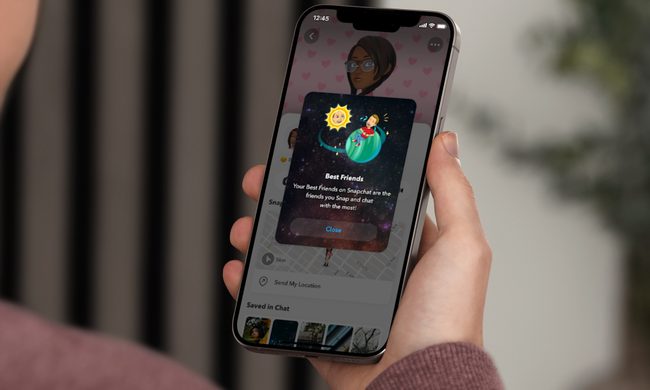
Snapchat Planets being shown on the Snapchat app on iPhone.

Snapchat is already packed with little symbols that can be weirdly hard to decode. You have streaks, emojis, badges, scores, Best Friends, and if you use Snapchat Plus, a tiny solar system that shows where you sit in someone’s closest-friends list.

The feature is called Friend Solar System, though most people just call it Snapchat Planets. It takes your position in a friend’s Snapchat orbit and turns it into a planet. From Mercury to Neptune, these celestial bodies signify how close a person is to you.

Read more
How to use WhatsApp Web
We'll show you how to use WhatsApp on your desktop or laptop
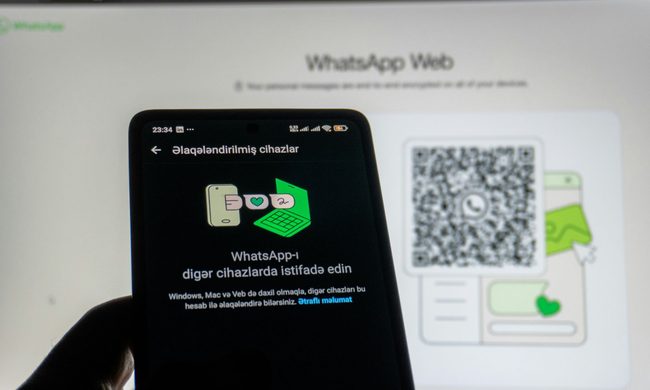
WhatsApp Web

As one of the most popular messaging services, you’ve already heard of WhatsApp. From its humble beginnings in 2009—two years before Apple introduced iMessage—to its acquisition by Facebook (now Meta) in 2014, WhatsApp has become the dominant messaging platform around the globe.

In recent years, it's grown even more potent with new features like video messages, self-destructing voice messages, the ability to edit sent messages, and more. We even finally got an WhatsApp iPad app in May 2025.

Read more
What is WhatsApp? How to use the app, tips, tricks, and more
From setting it up to mastering hidden features, here is your complete guide to WhatsApp.
Electronics, Phone, Mobile Phone

There's no shortage of messaging apps out there. The past decade has given us more options than we know what to do with, largely because smartphones demanded something better than plain old SMS.

Both the App Store and the Play Store are packed with apps that promise to revolutionize the way we communicate. Most of them didn't make it. The truth is, a messaging app is only as good as the number of people using it, and most apps never cross that threshold.

Read more