1. Home
  2. Mobile
  3. Legacy Archives

Microsoft takes aim at China to boost Windows Phone

Add as a preferred source on Google

Microsoft continues to search for ways to make Windows Phone stand out against Android and iPhone as its competitors eat up the vast majority of phone sales. While Windows Phone devices were never too expensive to begin with, the company has made it clear the goal is to make cheaper Windows Phone devices compared to Android and iOS in order to attract customers in emerging markets like China.

While Mozilla has been hard at work pushing out its low-budget Firefox OS to emerging markets around the globe, Microsoft has spent much of its last four years with Windows Phone trying to compete in major European and U.S. markets against Android and iOS. This new focus appears to be an attempt by the software company to shift gears and target emerging markets like China and other regions much more strongly than before.

Recommended Videos

Compared to other devices on the market, Windows Phone devices are known for being much cheaper than iPhones, and relatively cheaper than Android devices of similar hardware and design. The reason for the price drop is to attract adoption to Windows Phone OS, which has had a difficult time attracting developers and new apps into its lackluster ecosystem. Microsoft is upping the ante though, and partnering with major chip manufacturer Qualcomm to attract new customers in growing markets by offering even cheaper phones than before with more budget-friendly prices that don’t require subsidies or other offers to get sales, much like the feature phones already on the market in those regions.

This news has also come with word by Mozilla of plans to build a $25 smartphone also for emerging markets. It’s quickly becoming clear that if OS builders like Mozilla and Microsoft cannot have the market share they desire for high-end smartphones in saturated regions like the United States, then they will go elsewhere to attract customers. Emerging markets in Eastern Europe, Central America, and Asia are growing rapidly and have yet to see major advances by smartphone manufacturers. It’s a matter of time now before they too become bloated and saturated.

Joshua Sherman
Joshua Sherman is a contributor for Digital Trends who writes about all things mobile from Apple to Zynga. Josh pulls his…
Snapchat Planets: What’s the order, and what do they mean?
Snapchat Planets turns your best friends list into a solar system, and yes, your orbit says a lot
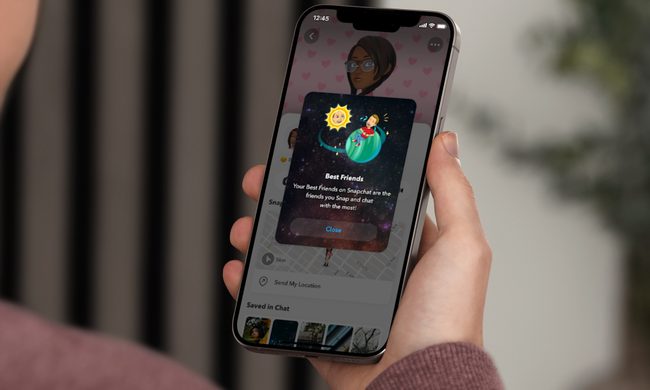
Snapchat Planets being shown on the Snapchat app on iPhone.

Snapchat is already packed with little symbols that can be weirdly hard to decode. You have streaks, emojis, badges, scores, Best Friends, and if you use Snapchat Plus, a tiny solar system that shows where you sit in someone’s closest-friends list.

The feature is called Friend Solar System, though most people just call it Snapchat Planets. It takes your position in a friend’s Snapchat orbit and turns it into a planet. From Mercury to Neptune, these celestial bodies signify how close a person is to you.

Read more
How to use WhatsApp Web
We'll show you how to use WhatsApp on your desktop or laptop
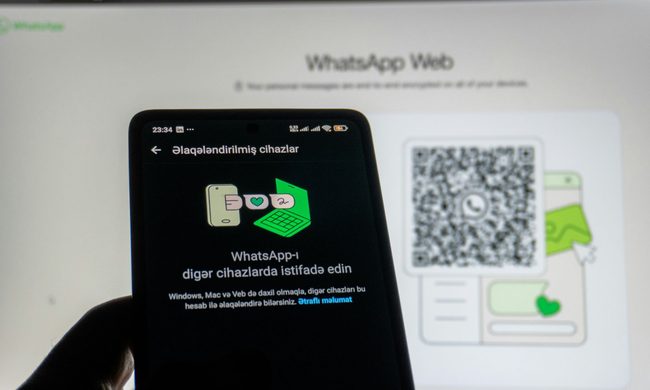
WhatsApp Web

As one of the most popular messaging services, you’ve already heard of WhatsApp. From its humble beginnings in 2009—two years before Apple introduced iMessage—to its acquisition by Facebook (now Meta) in 2014, WhatsApp has become the dominant messaging platform around the globe.

In recent years, it's grown even more potent with new features like video messages, self-destructing voice messages, the ability to edit sent messages, and more. We even finally got an WhatsApp iPad app in May 2025.

Read more
What is WhatsApp? How to use the app, tips, tricks, and more
From setting it up to mastering hidden features, here is your complete guide to WhatsApp.
Electronics, Phone, Mobile Phone

There's no shortage of messaging apps out there. The past decade has given us more options than we know what to do with, largely because smartphones demanded something better than plain old SMS.

Both the App Store and the Play Store are packed with apps that promise to revolutionize the way we communicate. Most of them didn't make it. The truth is, a messaging app is only as good as the number of people using it, and most apps never cross that threshold.

Read more