  1. Home
  2. Mobile
  3. Legacy Archives

New Android phones must run KitKat, says Google memo

Add as a preferred source on Google

If you’re hoping to pick up a new Android phone during 2014, chances are that it’ll be running the latest KitKat 4.4 software, if a leaked Google memo is to be believed. The document states that Google Mobile Services (GMS), which include Maps, Hangouts and Google Now, may be withheld from new devices that try and launch with an older version of the Android operating system.

According to the memo seen by Mobile Bloom, Google’s OEM partners have been told to stop sneaking out hardware running earlier versions in order to stamp out fragmentation and get everyone on the same page as far as Android goes. The directive seems to apply to budget and mid-range handsets as well as the top-of-the-range devices (such as the Galaxy S5) that we expect to see this year.

Recommended Videos

“Starting February 2014, Google will no longer approve GMS distribution on new Android products that ship older platform releases,” explains the document. “Each platform release will have a ‘GMS approval window’ that typically closes nine months after the next Android platform release is publicly available. (In other words, we all have nine months to get new products on the latest platform after its public release.)”

That means if you are the CEO of a handset manufacturer and you were hoping to push out a Jelly Bean tablet in the near future, you might find access to Google Play blocked. Android KitKat 4.4 arrived in October, so presumably anything after July will need to have it installed.

Android fragmentation has been a concern for Google: With so many older versions out in the wild, app development and security issues become a major headache. The latest information from the official Android Developer pages suggests that KitKat is running on just 1.8 percent of devices. Jelly Bean 4.1-4.3 accounts for 60.7 percent.

David Nield
Former Contributor
Dave is a freelance journalist from Manchester in the north-west of England. He's been writing about technology since the…
How to use WhatsApp Web
We'll show you how to use WhatsApp on your desktop or laptop
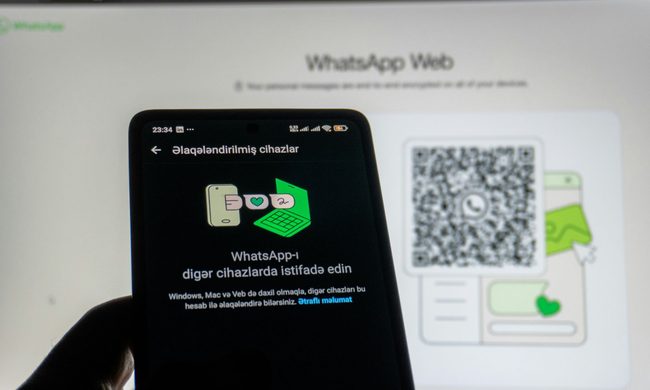
WhatsApp Web

As one of the most popular messaging services, you’ve already heard of WhatsApp. From its humble beginnings in 2009—two years before Apple introduced iMessage—to its acquisition by Facebook (now Meta) in 2014, WhatsApp has become the dominant messaging platform around the globe.

In recent years, it's grown even more potent with new features like video messages, self-destructing voice messages, the ability to edit sent messages, and more. We even finally got an WhatsApp iPad app in May 2025.

Read more
What is WhatsApp? How to use the app, tips, tricks, and more
From setting it up to mastering hidden features, here is your complete guide to WhatsApp.
Electronics, Phone, Mobile Phone

There's no shortage of messaging apps out there. The past decade has given us more options than we know what to do with, largely because smartphones demanded something better than plain old SMS.

Both the App Store and the Play Store are packed with apps that promise to revolutionize the way we communicate. Most of them didn't make it. The truth is, a messaging app is only as good as the number of people using it, and most apps never cross that threshold.

Read more
How to restore deleted or missing contacts on your iPhone
Lost your iPhone contacts? Here's how to get them back in minutes!
iPhone in hand showing restore contacts page

At some point, we all stopped memorizing phone numbers. It happened gradually, and now most of us can barely recall two or three phone numbers off the top of our heads. So when your iPhone contacts vanish, whether after a software update or an accidental delete, it can feel like a minor crisis.

Thankfully, if you act fast, you can easily restore deleted contacts on your iPhone. So, before you start texting people asking for their numbers again, try these methods to get your contacts back. These methods will work on all latest iPhone models.

Read more