1. Home
  2. Mobile
  3. Legacy Archives

Nokia CTO taking time off

Add as a preferred source on Google
Nokia CTO Richard Green
Image used with permission by copyright holder

A Nokia spokesperson has confirmed that the company’s chief technology officer Richard Green will be taking time away from the company “to attend to a personal matter,” without going into any more detail, including the length of Green’s anticipated absence. Although Green’s departure could be unrelated, the announcement follows reports that Green has had significant disagreements with Nokia’s new executive team over the compay’s new direction—including its high-stakes bet on the Windows Phone platform.

Henry Tirri, the head of Nokia’s research centers, will act as Nokia’s CTO in Green’s absence.

Recommended Videos

Helsingin Sanomat cites two sources who claim that Green will be on personal leave until the end of the year but is not likely to return to the company.

Green is a former executive with Sun Microsystems, and took over Nokia’s CTA position a little over a year ago during a reorganization that was supposed to simplify Nokia’s business structure and shore up the company’s bottom line. Green was known as a strong advocate of MeeGo, the mobile operating system the company was jointly developing with Intel, based on the latter’s Moblin architecture and Nokia’s Qt development environment. Nokia still plans to bring MeeGo devices to market, but envisions MeeGo—along with its flagship operating system Symbian—will eventually be phased out in favor of a mobile product line built entirely around the Windows Phone platform.

The announcement is the latest in a long series of buffets the Finnish phone giant: although the company remains the largest handset manufacturer in the world, it has been shedding marketshare as consumers increasingly embrace smartphones and companies like China’s ZTE start to erode its share in emerging markets. Since announcing plans to convert to the Windows Phone platform, Nokia has announced it is cutting 7,000 jobs and shedding its Symbian operating system, and the company is now subject to takeover rumors: the latest involve South Korea’s Samsung.

Geoff Duncan
Former Contributor
Geoff Duncan writes, programs, edits, plays music, and delights in making software misbehave. He's probably the only member…
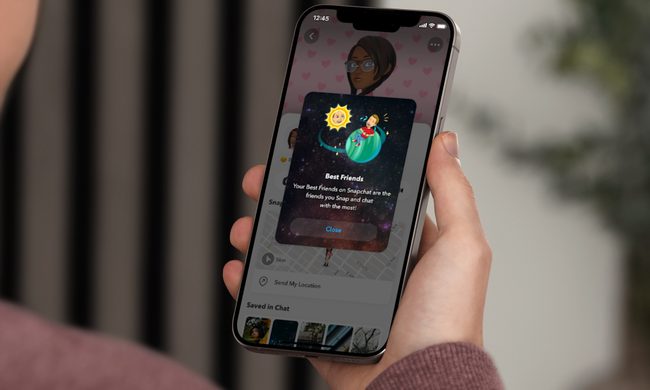
Snapchat Planets: What’s the order, and what do they mean?
Snapchat Planets turns your best friends list into a solar system, and yes, your orbit says a lot
Snapchat Planets being shown on the Snapchat app on iPhone.

Snapchat is already packed with little symbols that can be weirdly hard to decode. You have streaks, emojis, badges, scores, Best Friends, and if you use Snapchat Plus, a tiny solar system that shows where you sit in someone’s closest-friends list.

The feature is called Friend Solar System, though most people just call it Snapchat Planets. It takes your position in a friend’s Snapchat orbit and turns it into a planet. From Mercury to Neptune, these celestial bodies signify how close a person is to you.

Read more
How to use WhatsApp Web
We'll show you how to use WhatsApp on your desktop or laptop
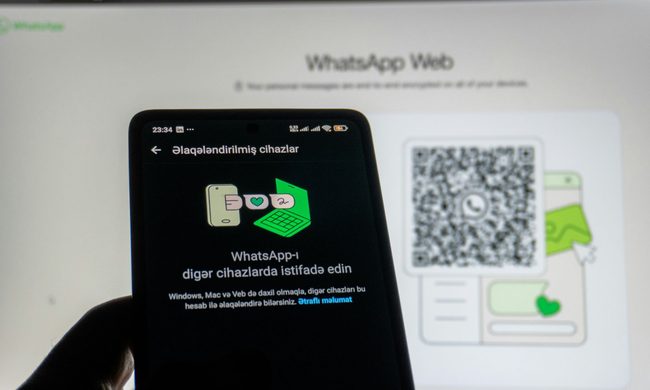
WhatsApp Web

As one of the most popular messaging services, you’ve already heard of WhatsApp. From its humble beginnings in 2009—two years before Apple introduced iMessage—to its acquisition by Facebook (now Meta) in 2014, WhatsApp has become the dominant messaging platform around the globe.

In recent years, it's grown even more potent with new features like video messages, self-destructing voice messages, the ability to edit sent messages, and more. We even finally got an WhatsApp iPad app in May 2025.

Read more
What is WhatsApp? How to use the app, tips, tricks, and more
From setting it up to mastering hidden features, here is your complete guide to WhatsApp.
WhatsApp app store listing open on iPhone

There's no shortage of messaging apps out there. The past decade has given us more options than we know what to do with, largely because smartphones demanded something better than plain old SMS.

Both the App Store and the Play Store are packed with apps that promise to revolutionize the way we communicate. Most of them didn't make it. The truth is, a messaging app is only as good as the number of people using it, and most apps never cross that threshold.

Read more