1. Home
  2. Mobile
  3. Legacy Archives

Nokia Siemens Buys Motorola’s Wireless Networking Biz

Add as a preferred source on Google
Image used with permission by copyright holder

Behind all the cell phones and mobile-enabled gadgets folks use these days are substantial telecommunications networks supporting all those devices…and someone has to make all that infrastructure so consumers can watch YouTube clips of kittens wherever they may be. One of those companies was Motorola…but not anymore. Nokia Siemens, a Finnish-German joint venture, has announced it will be buying Motorola’s cell phone networking gear business for $1.2 billion.

“”This is an exciting acquisition that I believe has significant benefits for customers, employees and our shareholders,” said Nokia Siemens CEO Rajeev Suri, in a statement. “Motorola’s current customers will continue to get world-class support for their installed base and a clear path for transitioning to next generation technologies while employees will join an industry leader with global scale and reach.”

Recommended Videos

Although the global mobile networking gear business is largely led by Alcatel-Lucent and LM Ericsson, Motorola has been a key supplier to the U.S. mobile operators Verizon Wireless and Sprint, which give Nokia Siemens a solid entry into the U.S. CMDA-based mobile infrastructure market. Motorola also makes a lot of the WiMax gear being deployed by Clearwire and Sprint to offer 4G service, although other major carriers have placed their bets on LTE (Long Term Evolution) technology for 4G service…and Sprint itself might be thinking the same thing.

Under the deal, Motorola will be keeping the iDEN business; it invented the technology, which is currently used by Sprint’s Nextel business and remains a staple of dispatchers and emergency services. Motorola will also keep parts of its mobile gear business focused on public safety, government, and enterprise users.

The deal could give Nokia Siemens some stability moving forward, since the gear deals with more than 50 operators should provide it a sold financial base. The economic downturn has hit Nokia Siemens’ profits in recent years. Under the deal, some 7,500 Motorola employees will be transferred to Nokia Siemens, including development centers in China and India.

Geoff Duncan
Former Contributor
Geoff Duncan writes, programs, edits, plays music, and delights in making software misbehave. He's probably the only member…
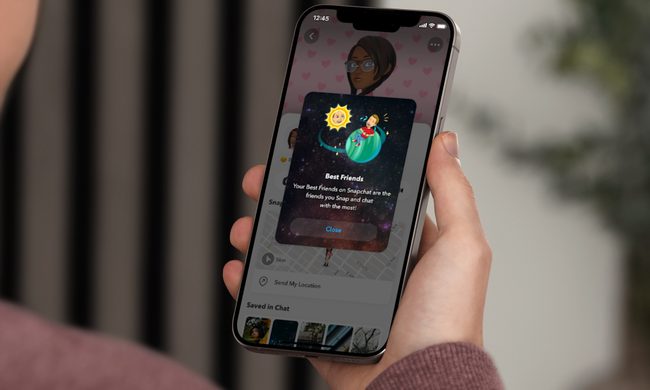
Snapchat Planets: What’s the order, and what do they mean?
Snapchat Planets turns your best friends list into a solar system, and yes, your orbit says a lot
Snapchat Planets being shown on the Snapchat app on iPhone.

Snapchat is already packed with little symbols that can be weirdly hard to decode. You have streaks, emojis, badges, scores, Best Friends, and if you use Snapchat Plus, a tiny solar system that shows where you sit in someone’s closest-friends list.

The feature is called Friend Solar System, though most people just call it Snapchat Planets. It takes your position in a friend’s Snapchat orbit and turns it into a planet. From Mercury to Neptune, these celestial bodies signify how close a person is to you.

Read more
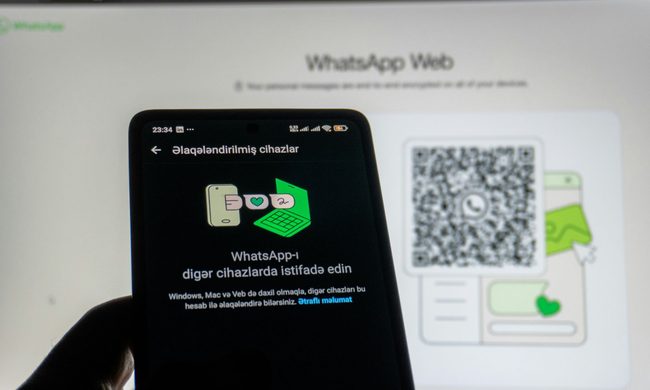
How to use WhatsApp Web
We'll show you how to use WhatsApp on your desktop or laptop
WhatsApp Web

As one of the most popular messaging services, you’ve already heard of WhatsApp. From its humble beginnings in 2009—two years before Apple introduced iMessage—to its acquisition by Facebook (now Meta) in 2014, WhatsApp has become the dominant messaging platform around the globe.

In recent years, it's grown even more potent with new features like video messages, self-destructing voice messages, the ability to edit sent messages, and more. We even finally got an WhatsApp iPad app in May 2025.

Read more
What is WhatsApp? How to use the app, tips, tricks, and more
From setting it up to mastering hidden features, here is your complete guide to WhatsApp.
WhatsApp app store listing open on iPhone

There's no shortage of messaging apps out there. The past decade has given us more options than we know what to do with, largely because smartphones demanded something better than plain old SMS.

Both the App Store and the Play Store are packed with apps that promise to revolutionize the way we communicate. Most of them didn't make it. The truth is, a messaging app is only as good as the number of people using it, and most apps never cross that threshold.

Read more