1. Home
  2. Mobile
  3. Legacy Archives

Palm’s Third Quarter Sales Drop 29 Percent

Add as a preferred source on Google
Image used with permission by copyright holder

Smartphone maker Palm has released financial results for its third fiscal quarter of 2010…and the numbers are not encouraging. Although the company reported that it shipped some 960,000 smartphones to distributors and retailers in the quarter ended February 26, it actually only sold 480,000 smartphones during the same period. The number of units shipped is actually a year-on-year gain of 23 percent, however, the number of phones sold represents a 29 percent decline in sales. The disappointing numbers fall a few weeks after Palm warned investors that sales to consumers from mobile phone operators were lower than what the company had expected.

“Our recent underperformance has been very disappointing, but the potential for Palm remains strong,” said Palm chairman and CEO Jon Rubinstein, in a statement. “The work we’re doing to improve sales is having an impact, we’re making great progress on future products, and we’re looking forward to upcoming launches with new carrier partners. Most importantly, we have built a unique and highly differentiated platform in webOS, which will provide us with a considerable—and growing—advantage as we move forward.”

Recommended Videos

Palm’s revenue for the quarter actually beat its forecasts: the company brought in $350 million. However, that actually translated to a less of $22 million—and the impact of its falling stock price were excluded, Palm’s loss for the quarter would have been over $100 million.

Palm was the first company to successfully market PDAs, and was a major player in in the early smartphone market; however, the company has been betting its life on devices built around its new webOS. Although webOS has generally been well-received—despite an arms race with Apple over Palm devices that identify themselves to iTunes as if they were iPods—Palm has not been able to generate stellar sales in the face of competition from BlackBerry, Apple, and Android-based devices.

Geoff Duncan
Former Contributor
Geoff Duncan writes, programs, edits, plays music, and delights in making software misbehave. He's probably the only member…
Snapchat Planets Meaning: Order, Rankings, and How Friend Solar System Works
Snapchat Planets turns your best friends list into a solar system, and yes, your orbit says a lot
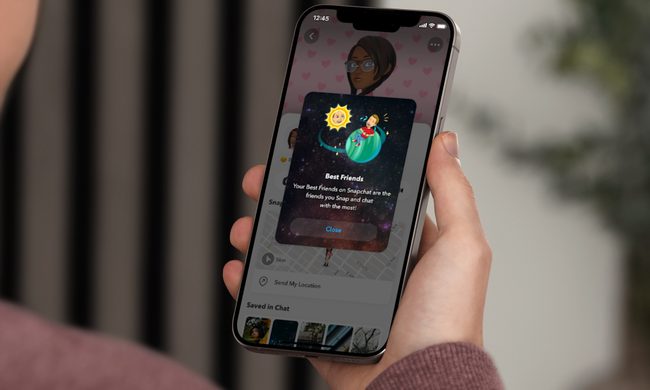
Snapchat Planets being shown on the Snapchat app on iPhone.

Snapchat+ includes several exclusive features, but few have generated as much curiosity as Snapchat Planets. Part of the app's Friend Solar System, it transforms your Best Friends list into a planetary ranking, assigning each of your top eight friends a planet based on how often you interact.

From Mercury, which represents your closest friend, to Neptune, which represents your eighth closest, the system offers a quick visual snapshot of your interactions. But what do the different planets actually mean, and how does Snapchat decide who gets which one?

Read more
How to use WhatsApp Web
We'll show you how to use WhatsApp on your desktop or laptop
WhatsApp Web

As one of the most popular messaging services, you’ve already heard of WhatsApp. From its humble beginnings in 2009—two years before Apple introduced iMessage—to its acquisition by Facebook (now Meta) in 2014, WhatsApp has become the dominant messaging platform around the globe.

In recent years, it's grown even more potent with new features like video messages, self-destructing voice messages, the ability to edit sent messages, and more. We even finally got an WhatsApp iPad app in May 2025.

Read more
What is WhatsApp? How to use the app, tips, tricks, and more
From setting it up to mastering hidden features, here is your complete guide to WhatsApp.
WhatsApp app store listing open on iPhone

There's no shortage of messaging apps out there. The past decade has given us more options than we know what to do with, largely because smartphones demanded something better than plain old SMS.

Both the App Store and the Play Store are packed with apps that promise to revolutionize the way we communicate. Most of them didn't make it. The truth is, a messaging app is only as good as the number of people using it, and most apps never cross that threshold.

Read more