1. Home
  2. Mobile
  3. Legacy Archives

Read It Later gets new features, switches name to ‘Pocket’ and is now free for everyone

Add as a preferred source on Google

Web text saving app Read It Later announced a rebranding of its service today, along with some new features. The company has replaced the old moniker with “Pocket,” updated its UI and more.

Read It Later began in 2007, close to the iPhone launch, and has gathered a base of more than 4.5 million users. The pocket service is available on iPhone, iPad, Android tablets and smartphones as well as the Amazon app store and the Kindle Fire.

Recommended Videos

Many of the features from the old brand are retained; you can save any page of text found online to your Pocket. All the apps that worked with Read It Later do so with Pocket., and you can use your account to save stories from apps like Twitter, Flipboard and 300 others. There are two font choices for articles, and a toolbar to allow for night mode, favoriting and sharing.

The new. Pocket is now free for everyone, whereas Read It Later came in a $2.99 form. Founder Nathan Weiner told TNW that making the app free is part of a “well planned process”. Weiner also said that giving the product away allows an easier way for people to understand the benefit of the application.

“Once a user starts using us, they use us for years. From a business perspective, having a user pay $2.99 up-front, once, and then use the app for 4 years doesn’t make a lot of sense,” Weiner said.

The design is cleaner, and lighter than its predecessor. Images can be ‘Pocketed’ using the image URL. Videos can also be pocketed using the YouTube or Vimeo URL; YouTube seems to be the number one most-saved domain. Offline viewing of the videos isn’t available.

Alongside Pocket in the text saving space are competitors Instapaper and Readability, however Pocket isn’t relegated to only text.

Jeff Hughes
Former Digital Trends Contributor
I'm a SF Bay Area-based writer/ninja that loves anything geek, tech, comic, social media or gaming-related.
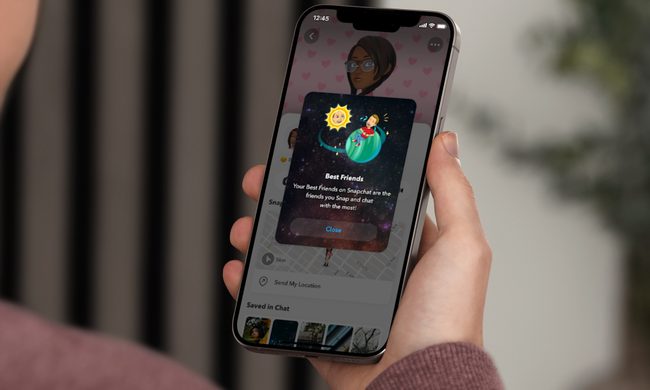
Snapchat Planets: What’s the order, and what do they mean?
Snapchat Planets turns your best friends list into a solar system, and yes, your orbit says a lot
Snapchat Planets being shown on the Snapchat app on iPhone.

Snapchat is already packed with little symbols that can be weirdly hard to decode. You have streaks, emojis, badges, scores, Best Friends, and if you use Snapchat Plus, a tiny solar system that shows where you sit in someone’s closest-friends list.

The feature is called Friend Solar System, though most people just call it Snapchat Planets. It takes your position in a friend’s Snapchat orbit and turns it into a planet. From Mercury to Neptune, these celestial bodies signify how close a person is to you.

Read more
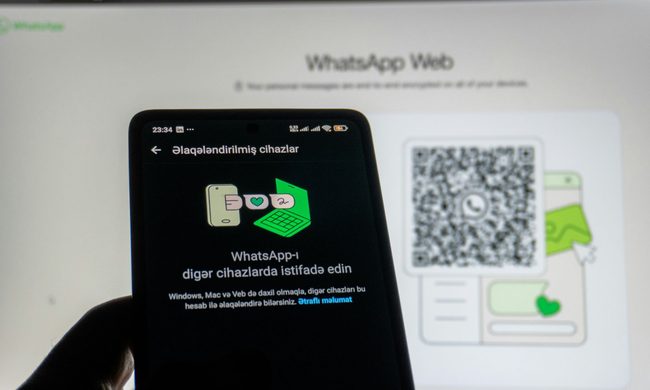
How to use WhatsApp Web
We'll show you how to use WhatsApp on your desktop or laptop
WhatsApp Web

As one of the most popular messaging services, you’ve already heard of WhatsApp. From its humble beginnings in 2009—two years before Apple introduced iMessage—to its acquisition by Facebook (now Meta) in 2014, WhatsApp has become the dominant messaging platform around the globe.

In recent years, it's grown even more potent with new features like video messages, self-destructing voice messages, the ability to edit sent messages, and more. We even finally got an WhatsApp iPad app in May 2025.

Read more
What is WhatsApp? How to use the app, tips, tricks, and more
From setting it up to mastering hidden features, here is your complete guide to WhatsApp.
WhatsApp app store listing open on iPhone

There's no shortage of messaging apps out there. The past decade has given us more options than we know what to do with, largely because smartphones demanded something better than plain old SMS.

Both the App Store and the Play Store are packed with apps that promise to revolutionize the way we communicate. Most of them didn't make it. The truth is, a messaging app is only as good as the number of people using it, and most apps never cross that threshold.

Read more