  1. Home
  2. Mobile
  3. Legacy Archives

Report: Blackberry maker RIM considering splitting in two

Add as a preferred source on Google
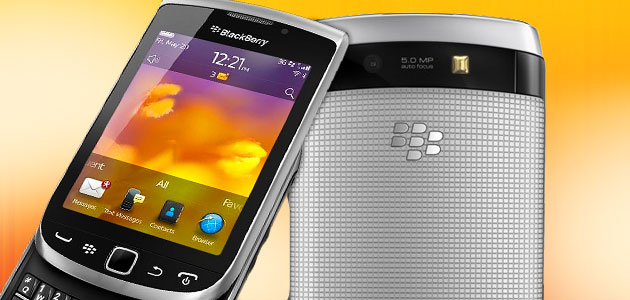
BlackBerry Torch 9810
Image used with permission by copyright holder

The UK’s The Sunday Times reports that Blackberry maker Research in Motion is considering splitting in two, keeping its private messaging network but splitting off its handset division into a separate business — or perhaps selling it outright. The report does not cite sources.

RIM has been watching both its smartphone marketshare and revenues plummet as Android and Apple’s iOS dominate the smartphone market. The company is currently working furiously to release BlackBerry 10, a major revamp of its mobile operating system, as well as refresh its increasingly-stale device lineup. However, the company has seen a number of high-profile executive resignations and departures in recent months, and just last week the company began another round of layoffs — some 2,000 positions to be eliminated in the near term with as many as 6,000 potentially on the chopping block as the company tries to trim $1 billion off its operating expenses by 2013. At the beginning of the month, the company was estimated to have about 16,000 employees worldwide.

Recommended Videos

Last month, the company hired JP Morgan and RBC Capital to assist with an examination of its strategic options.

If RIM were to sell off its handset division to another company, The Sunday Times counts the likes of Amazon and Facebook as potential suitors. Amazon has already launched its own line of mobile products with the Kindle and Kindle Fire, and is known to have been a contender to acquire Palm before HP clinched the deal. Facebook has been reportedly working on its own “Facebook phone” for years, and now that the company is public it’s under increasing pressure to improve its mobile presence as consumers (and a growing portion of its user base) shift from traditional computers to interacting with their social networks from smartphones and tablet devices. According to the paper, other options include selling an equity stake to another company (such as Microsoft) and/or opening up its private messaging network to traffic from iOS or Android devices.

Geoff Duncan
Former Contributor
Geoff Duncan writes, programs, edits, plays music, and delights in making software misbehave. He's probably the only member…
Snapchat Planets: What’s the order, and what do they mean?
Snapchat Planets turns your best friends list into a solar system, and yes, your orbit says a lot
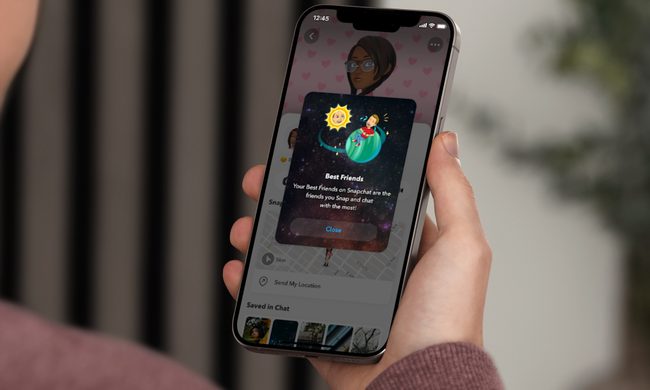
Snapchat Planets being shown on the Snapchat app on iPhone.

Snapchat is already packed with little symbols that can be weirdly hard to decode. You have streaks, emojis, badges, scores, Best Friends, and if you use Snapchat Plus, a tiny solar system that shows where you sit in someone’s closest-friends list.

The feature is called Friend Solar System, though most people just call it Snapchat Planets. It takes your position in a friend’s Snapchat orbit and turns it into a planet. From Mercury to Neptune, these celestial bodies signify how close a person is to you.

Read more
How to use WhatsApp Web
We'll show you how to use WhatsApp on your desktop or laptop
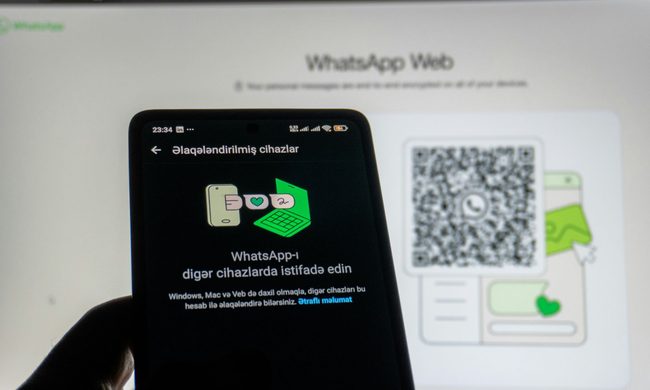
WhatsApp Web

As one of the most popular messaging services, you’ve already heard of WhatsApp. From its humble beginnings in 2009—two years before Apple introduced iMessage—to its acquisition by Facebook (now Meta) in 2014, WhatsApp has become the dominant messaging platform around the globe.

In recent years, it's grown even more potent with new features like video messages, self-destructing voice messages, the ability to edit sent messages, and more. We even finally got an WhatsApp iPad app in May 2025.

Read more
What is WhatsApp? How to use the app, tips, tricks, and more
From setting it up to mastering hidden features, here is your complete guide to WhatsApp.
Electronics, Phone, Mobile Phone

There's no shortage of messaging apps out there. The past decade has given us more options than we know what to do with, largely because smartphones demanded something better than plain old SMS.

Both the App Store and the Play Store are packed with apps that promise to revolutionize the way we communicate. Most of them didn't make it. The truth is, a messaging app is only as good as the number of people using it, and most apps never cross that threshold.

Read more