1. Home
  2. Mobile
  3. Social Media
  4. Legacy Archives

Report: Twitter acquires TweetDeck for more than $40m

Add as a preferred source on Google

tweetdeckIt’s been on the cards for a while now, but it looks as if it has finally happened. According to a report by CNN put out late Monday, Twitter has acquired the popular third-party client TweetDeck for “more than $40 million in a mix of cash and stock.”

Citing “sources close to the deal,” CNN said that although no official announcement has yet been made by either party, “papers finalizing the deal were signed Monday.”

Recommended Videos

Twitter has so far kept quiet over the reports, saying on its official public relations Twitter account: “For all those who might be curious, we continue to not comment on rumors.”

Back in February, there was widespread talk of UberMedia (a company that owns a number of Twitter clients, including Echofon and Twidroyd) acquiring TweetDeck. Such a buyout would’ve meant that a hefty portion of traffic to Twitter’s site would’ve been going via UberMedia’s clients. With Twitter not wanting to lose control of its platform, reports began surfacing last month that it had stepped in and was in the “advanced talks” stage with TweetDeck, culminating in today’s report of its takeover of the UK-based company.

Owning a client like TweetDeck means Twitter now has direct access to its users, among the most active in the Twitter community, which could help with efforts to monetize the microblogging site at some point in the future. Despite its huge popularity, Twitter hasn’t yet found an effective way to actually make any money.

TweetDeck’s customizable columns feature, allowing users to manage multiple Twitter and Facebook accounts, as well as MySpace, LinkedIn and Foursquare accounts, has made it an extremely popular app among the twitterati. It was released in 2008 and is now believed to be by far the most widely used third-party Twitter client.

Trevor Mogg
Contributing Editor
Not so many moons ago, Trevor moved from one tea-loving island nation that drives on the left (Britain) to another (Japan)…
Snapchat Planets: What’s the order, and what do they mean?
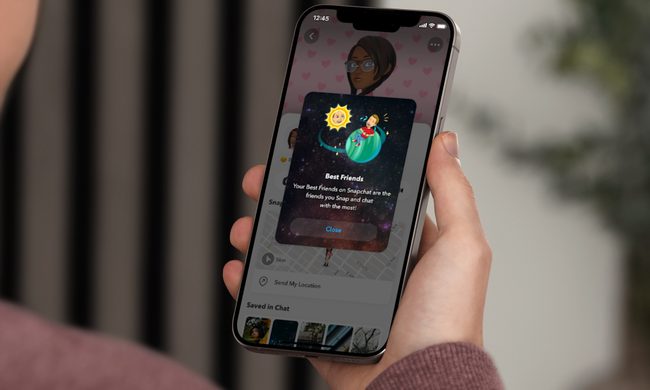
Snapchat Planets turns your best friends list into a solar system, and yes, your orbit says a lot
Snapchat Planets being shown on the Snapchat app on iPhone.

Snapchat is already packed with little symbols that can be weirdly hard to decode. You have streaks, emojis, badges, scores, Best Friends, and if you use Snapchat Plus, a tiny solar system that shows where you sit in someone’s closest-friends list.

The feature is called Friend Solar System, though most people just call it Snapchat Planets. It takes your position in a friend’s Snapchat orbit and turns it into a planet. From Mercury to Neptune, these celestial bodies signify how close a person is to you.

Read more
How to use WhatsApp Web
We'll show you how to use WhatsApp on your desktop or laptop
WhatsApp Web

As one of the most popular messaging services, you’ve already heard of WhatsApp. From its humble beginnings in 2009—two years before Apple introduced iMessage—to its acquisition by Facebook (now Meta) in 2014, WhatsApp has become the dominant messaging platform around the globe.

In recent years, it's grown even more potent with new features like video messages, self-destructing voice messages, the ability to edit sent messages, and more. We even finally got an WhatsApp iPad app in May 2025.

Read more
What is WhatsApp? How to use the app, tips, tricks, and more
From setting it up to mastering hidden features, here is your complete guide to WhatsApp.
Electronics, Phone, Mobile Phone

There's no shortage of messaging apps out there. The past decade has given us more options than we know what to do with, largely because smartphones demanded something better than plain old SMS.

Both the App Store and the Play Store are packed with apps that promise to revolutionize the way we communicate. Most of them didn't make it. The truth is, a messaging app is only as good as the number of people using it, and most apps never cross that threshold.

Read more