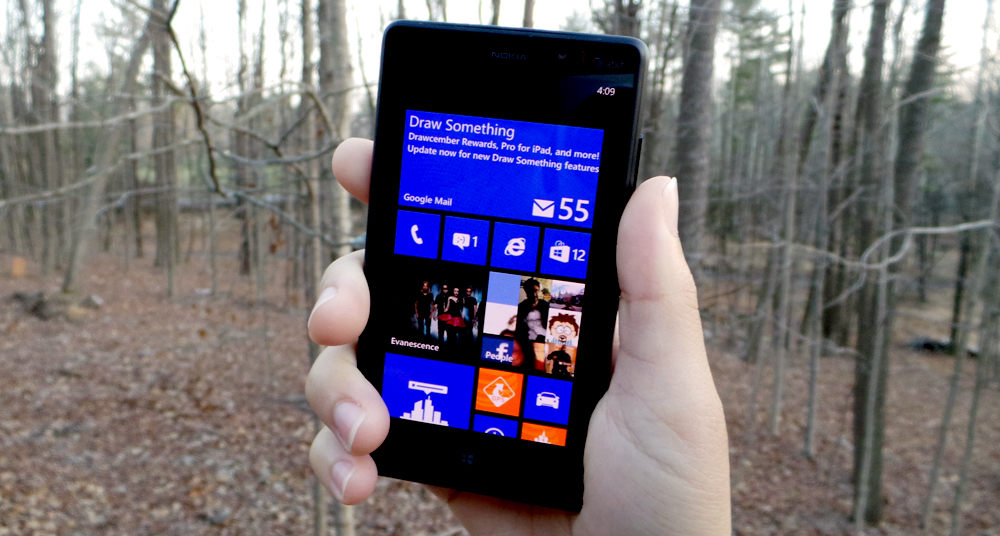
 The latest research from ad promotion network AdDuplex shows Nokia has a vice-like grip on the Windows Phone market, with a huge 80 percent of the hardware in use being produced by the company. Bar its Series 40-powered Asha line, Nokia has dedicated itself to Microsoft’s mobile OS, and has clearly succeeded in becoming the go-to brand.
HTC is next in line, but with only 14 percent to its name, it’s hardly snapping at Nokia’s heels. Samsung has 5 percent (but only a couple of poorly promoted Windows Phones to its name), while ZTE, Huawei, LG and others all make do with 1 percent or less. Nokia controls more than 95 percent of the market in at least ten countries around the world, including Argentina, Finland (shocking, we know), Mexico, Chile and South Africa. In the U.S., around 66 percent of Windows Phones in the wild are made by Nokia, which despite being a sizable portion of the market, still finds itself down in the bottom ten countries – demonstrating the extent of Nokia’s control.
Forty-two percent of the U.S. market is covered by two phones, the Verizon exclusive Lumia 822 and the range-topping Lumia 920, owned by 22 percent and 20 percent respectively. AdDuplex’s worldwide figures show the most popular device is an even split between the Lumia 920 and the Windows Phone 7 flagship Lumia 800, with both commanding 14 percent each. The recently released, mid-range Lumia 720 is close behind with 13 percent.
So, Nokia’s domination of Windows Phone is good news, right? Well, yes, however while Nokia’s slice of the pie is large, the slice from which it has been cut is rather small. Recent research from comScore shows Microsoft has a 3.2 percent share of the smartphone market in the U.S., with Android far out in front with 51 percent. Even BlackBerry, which has only just launched BlackBerry 10, has control of 5.4 percent.
Nokia appears to be doing its part, but Microsoft may need to put in a little more effort if it wants to be the world’s number three smartphone platform.