1. Home
  2. Mobile
  3. Legacy Archives

RIM adding 4G LTE, HSPA+ capability to BlackBerry PlayBook

Add as a preferred source on Google
Image used with permission by copyright holder

RIM announced this morning that in addition to the Wi-Fi and Wi-Fi + WiMax versions of the PlayBook, it will also launch an LTE and HSPA + model of its forthcoming tablet.

“We are  now building on the BlackBerry PlayBook’s many advantages with support for additional 4G networks that will allow enhanced business opportunities for carriers and developers and unparalleled mobile experiences for users,” president and co-CEO at RIM Mike Lazaridis said in a statement at Mobile World Congress.

Recommended Videos

This brings the count to four separate PlayBook tablets – Wi-Fi only, Wi-Fi + WiMax, Wi-Fi + LTE, and Wi-Fi + HSPA+. Each includes Bluetooth tethering, mobile hotspot capability, and BlackBerry Bridge (the label’s own software that enables users BlackBerry messenger, calendar, and e-mail).

RIM has yet to announce what networks will carry the tablet, but given the wide array of connectivity capabilities the various versions will have, it could be any of the large carriers. The announcement also did not include pricing or a launch date, but a screenshot surfaced last week revealing it could be $499.99 and on shelves in April. Just to be clear, that $499.99 tag was attached to the 16GB Wi-Fi only version, so if you’re interested in 4G, be prepared to pay more and possibly wait a little longer. Some sources are saying one model could launch as early as March.

Your patience may pay off, however. Another rumor out there says RIM is working with developers to create software allowing the tablet’s QNX operating system to run Android apps, giving users immediate access to more than 130,000 apps at launch. It’s possible there could be some hiccups in running Android software on a non-native OS, but it’s better than the alternative. RIM is bent on packing this thing full of features as its unveiling looms shortly ahead of us.

Molly McHugh
Former Social Media/Web Editor
Before coming to Digital Trends, Molly worked as a freelance writer, occasional photographer, and general technical lackey…
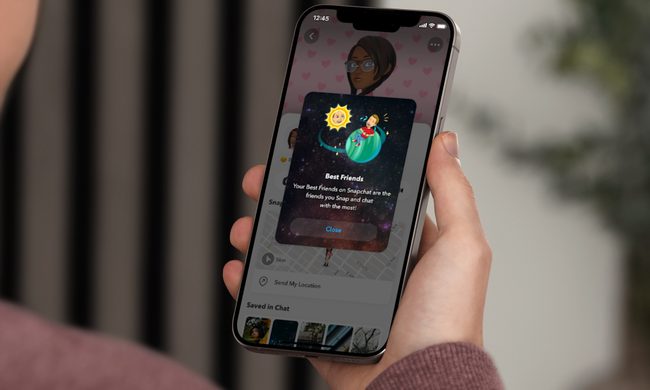
Snapchat Planets Meaning: Order, Rankings, and How Friend Solar System Works
Snapchat Planets turns your best friends list into a solar system, and yes, your orbit says a lot
Snapchat Planets being shown on the Snapchat app on iPhone.

Snapchat+ includes several exclusive features, but few have generated as much curiosity as Snapchat Planets. Part of the app's Friend Solar System, it transforms your Best Friends list into a planetary ranking, assigning each of your top eight friends a planet based on how often you interact.

From Mercury, which represents your closest friend, to Neptune, which represents your eighth closest, the system offers a quick visual snapshot of your interactions. But what do the different planets actually mean, and how does Snapchat decide who gets which one?

Read more
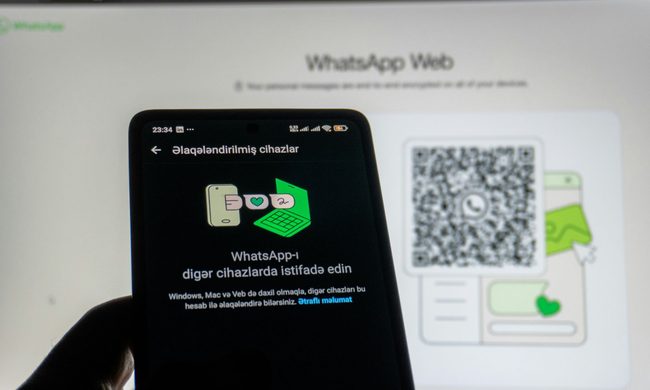
How to use WhatsApp Web
We'll show you how to use WhatsApp on your desktop or laptop
WhatsApp Web

As one of the most popular messaging services, you’ve already heard of WhatsApp. From its humble beginnings in 2009—two years before Apple introduced iMessage—to its acquisition by Facebook (now Meta) in 2014, WhatsApp has become the dominant messaging platform around the globe.

In recent years, it's grown even more potent with new features like video messages, self-destructing voice messages, the ability to edit sent messages, and more. We even finally got an WhatsApp iPad app in May 2025.

Read more
What is WhatsApp? How to use the app, tips, tricks, and more
From setting it up to mastering hidden features, here is your complete guide to WhatsApp.
WhatsApp app store listing open on iPhone

There's no shortage of messaging apps out there. The past decade has given us more options than we know what to do with, largely because smartphones demanded something better than plain old SMS.

Both the App Store and the Play Store are packed with apps that promise to revolutionize the way we communicate. Most of them didn't make it. The truth is, a messaging app is only as good as the number of people using it, and most apps never cross that threshold.

Read more