  1. Home
  2. Mobile
  3. Legacy Archives

RIM Buys Cellmania to Boost BlackBerry App World?

Add as a preferred source on Google
Image used with permission by copyright holder

Canada’s Research in Motion has acquired Cellmania, a California-based company that developers content tracking and management systems for mobile devices, as well as services that provide for subscription-based billing for mobile apps and content. Financial terms of the acquisition were not disclosed.

“Our team has joined RIM’s global organization and will continue to bring our expertise in application storefront development to the BlackBerry platform,” Cellmania said on its Web site.

Recommended Videos

Cellmania runs mFinder, which essentially functions as a directory for mobile Internet applications and content. Cellmania has partnered with mobile operators in the U.S., Canada, Australia, the United Kingdom, Brazil, and selected European countries, and pushes content to mobile subscribers through its mobile operator partners; billing for the content is handled through the operator, rather than with Cellmania as a separate entity. Cellmania’s mFinder supports J2ME, Symbian, and Android devices, and is used to push everything from ringtones and wallpaper to graphics and video; the service offers real-time transaction reports and digital rights management. Cellmania has said it intends to continue to support its existing customers.

Industry watchers expect RIM’s primary interest in Cellmania is as a platform to quickly build operator-based billing and DRM into its BlackBerry App World so it can better compete with the likes of the iTunes App Store and Android Market. RIM recently launched a revised version of BlackBerry App World, and reports have the company looking to acquire a mobile ad network, following the path of Google’s high-profile acquisition of AdMob in November 2009, and Apple’s subsequent acquisition of Quattro Wireless in early 2010 and development of its own iAds platform.

Geoff Duncan
Former Contributor
Geoff Duncan writes, programs, edits, plays music, and delights in making software misbehave. He's probably the only member…
Snapchat Planets: What’s the order, and what do they mean?
Snapchat Planets turns your best friends list into a solar system, and yes, your orbit says a lot
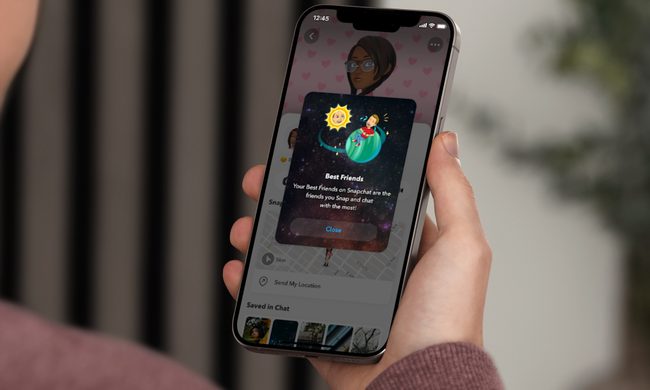
Snapchat Planets being shown on the Snapchat app on iPhone.

Snapchat is already packed with little symbols that can be weirdly hard to decode. You have streaks, emojis, badges, scores, Best Friends, and if you use Snapchat Plus, a tiny solar system that shows where you sit in someone’s closest-friends list.

The feature is called Friend Solar System, though most people just call it Snapchat Planets. It takes your position in a friend’s Snapchat orbit and turns it into a planet. From Mercury to Neptune, these celestial bodies signify how close a person is to you.

Read more
How to use WhatsApp Web
We'll show you how to use WhatsApp on your desktop or laptop
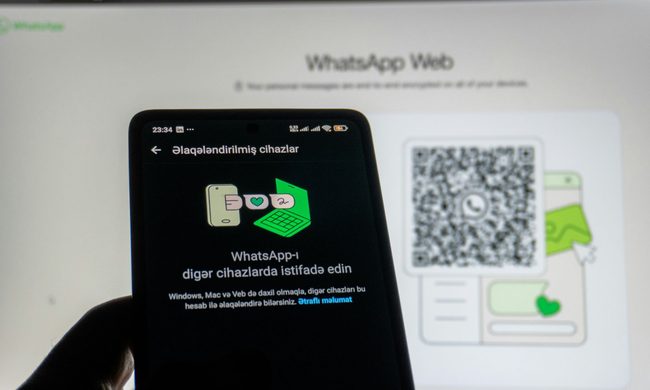
WhatsApp Web

As one of the most popular messaging services, you’ve already heard of WhatsApp. From its humble beginnings in 2009—two years before Apple introduced iMessage—to its acquisition by Facebook (now Meta) in 2014, WhatsApp has become the dominant messaging platform around the globe.

In recent years, it's grown even more potent with new features like video messages, self-destructing voice messages, the ability to edit sent messages, and more. We even finally got an WhatsApp iPad app in May 2025.

Read more
What is WhatsApp? How to use the app, tips, tricks, and more
From setting it up to mastering hidden features, here is your complete guide to WhatsApp.
WhatsApp app store listing open on iPhone

There's no shortage of messaging apps out there. The past decade has given us more options than we know what to do with, largely because smartphones demanded something better than plain old SMS.

Both the App Store and the Play Store are packed with apps that promise to revolutionize the way we communicate. Most of them didn't make it. The truth is, a messaging app is only as good as the number of people using it, and most apps never cross that threshold.

Read more