1. Home
  2. Mobile
  3. Legacy Archives

RIM lays off 2,000 employees, splits COO position

Add as a preferred source on Google
BlackBerry Playbook App
Image used with permission by copyright holder

Canada’s struggling smartphone maker Research in Motion has announced it will be laying off some 2,000 employees—about 10 percent of its global workforce—as part of a broader cost-cutting plan designed to wring more value from the company in the wake of significant declines in stock price. By reducing the costs of maintaining its workforce, RIM hopes to operate more efficiently within a tighter budget—and still bring smartphones and other devices to market that will compete with tablets and smartphones running Apple’s iOS and Google’s Android.

“The workforce reduction is believed to be a prudent and necessary step for the long term success of the company and it follows an extended period of rapid growth within the company whereby the workforce had nearly quadrupled in the last five years alone,” the company said in its statement.

Recommended Videos

Along with the layoff announcement, RIM also announced the formal retirement of chief operating officer Don Morrison, who had been on medical leave. RIM is famous for its dual-CEO leadership structure, and has now apparently decided to apply the same notion to the COO job: Thorsten Heins and Jim Rowan will take on COO duties, with Heins focusing on hardware and software engineering efforts, with Rowan focusing on manufacturing, supply chain, and repair services. RIM is also shuffling around additional responsibilities to its CIO Robin Beinfait and CTO David Yach, while appointing Patrick Spence to managing director for global sales. Co-CEOs Jim Balsillie and Mike Lazaridis remain in charge.

The 2,000 job cuts are roughly in line with cost reduction plans RIM outlined in its last full-year financial guidance, and will leave the company with about 17,000 employees worldwide.

RIM says employees to be laid off in North America and selected other countries will start receiving notices this week; the remainder of the workforce reductions will be rolled out at a later date. RIM says all laid off employees will receive severance packages and outplacement support.

Geoff Duncan
Former Contributor
Geoff Duncan writes, programs, edits, plays music, and delights in making software misbehave. He's probably the only member…
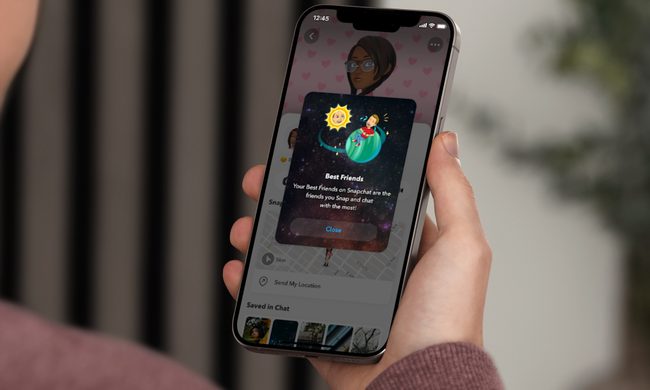
Snapchat Planets Meaning: Order, Rankings, and How Friend Solar System Works
Snapchat Planets turns your best friends list into a solar system, and yes, your orbit says a lot
Snapchat Planets being shown on the Snapchat app on iPhone.

Snapchat+ includes several exclusive features, but few have generated as much curiosity as Snapchat Planets. Part of the app's Friend Solar System, it transforms your Best Friends list into a planetary ranking, assigning each of your top eight friends a planet based on how often you interact.

From Mercury, which represents your closest friend, to Neptune, which represents your eighth closest, the system offers a quick visual snapshot of your interactions. But what do the different planets actually mean, and how does Snapchat decide who gets which one?

Read more
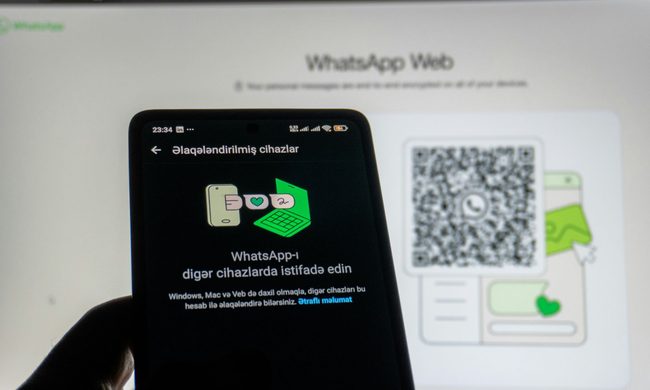
How to use WhatsApp Web
We'll show you how to use WhatsApp on your desktop or laptop
WhatsApp Web

As one of the most popular messaging services, you’ve already heard of WhatsApp. From its humble beginnings in 2009—two years before Apple introduced iMessage—to its acquisition by Facebook (now Meta) in 2014, WhatsApp has become the dominant messaging platform around the globe.

In recent years, it's grown even more potent with new features like video messages, self-destructing voice messages, the ability to edit sent messages, and more. We even finally got an WhatsApp iPad app in May 2025.

Read more
What is WhatsApp? How to use the app, tips, tricks, and more
From setting it up to mastering hidden features, here is your complete guide to WhatsApp.
WhatsApp app store listing open on iPhone

There's no shortage of messaging apps out there. The past decade has given us more options than we know what to do with, largely because smartphones demanded something better than plain old SMS.

Both the App Store and the Play Store are packed with apps that promise to revolutionize the way we communicate. Most of them didn't make it. The truth is, a messaging app is only as good as the number of people using it, and most apps never cross that threshold.

Read more