1. Home
  2. Mobile
  3. Legacy Archives

RIM loses another exec, reportedly starts layoffs

Add as a preferred source on Google
RIM headquarters
Image used with permission by copyright holder

Canada’s Research in Motion might be putting on a brave face that everything is peachy-keen with their business—but investors have been hammering the company’s share price, and apparently RIM isn’t a big hit with some of its employees, either. Yesterday, the company said farewell to its chief marketing officer Brian Wallace, who will be moving over to smartphone rival Samsung. And while the company has not confirmed anything, the Waterloo Region Record—a local Ontario paper near RIM’s headquarters—reports the company is already handing out layoff notices.

The moves come immediately in the wake of a disappointing quarterly earnings report in which the company failed to meet already-lowered earnings expectations, and announced it expected its revenues to continue to decline for the rest of the year. Although the company is not losing money—RIM earned almost $700 million in profit last quarter—the performance is far less than investors hoped for, as they wait for the iconic phone maker to come up with products that compete successfully in the consumer smartphone space with devices running Apple’s iOS and Google’s Android operating systems.

Recommended Videos

Wallace’s defection from the RIM follows barely three months after the departure of RIM’s chief marketing officer Keith Pardy, who had been responsible for all BlackBerry brand marketing. RIM co-CEO Jim Balsillie had taken on more promotional duties when Pardy left the company; Wallace’s departure will place that much more pressure on Balsillie.

The Waterloo Region Record gave no details of the layoffs, but noted the company has about 9,000 employees in the Ontario area and a total of about 17,500 workers worldwide.

RIM’s stock is down more than 50 percent for the year, and Barron’s financial weekly—which was still bullish on RIM as recently as two months ago now says it “goofed,” saying investors only choice now is to sell shares to minimize their losses. “The company’s best hope now is a takeover, but there’s no suitor in sight,” the paper wrote.

Geoff Duncan
Former Contributor
Geoff Duncan writes, programs, edits, plays music, and delights in making software misbehave. He's probably the only member…
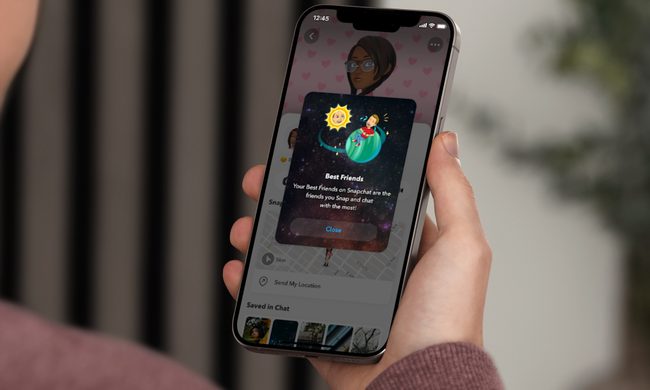
Snapchat Planets: What’s the order, and what do they mean?
Snapchat Planets turns your best friends list into a solar system, and yes, your orbit says a lot
Snapchat Planets being shown on the Snapchat app on iPhone.

Snapchat is already packed with little symbols that can be weirdly hard to decode. You have streaks, emojis, badges, scores, Best Friends, and if you use Snapchat Plus, a tiny solar system that shows where you sit in someone’s closest-friends list.

The feature is called Friend Solar System, though most people just call it Snapchat Planets. It takes your position in a friend’s Snapchat orbit and turns it into a planet. From Mercury to Neptune, these celestial bodies signify how close a person is to you.

Read more
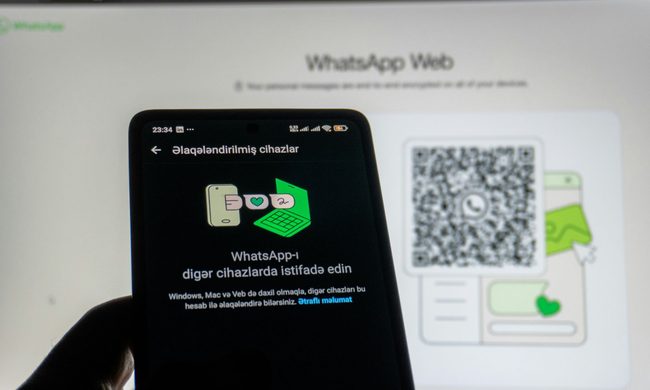
How to use WhatsApp Web
We'll show you how to use WhatsApp on your desktop or laptop
WhatsApp Web

As one of the most popular messaging services, you’ve already heard of WhatsApp. From its humble beginnings in 2009—two years before Apple introduced iMessage—to its acquisition by Facebook (now Meta) in 2014, WhatsApp has become the dominant messaging platform around the globe.

In recent years, it's grown even more potent with new features like video messages, self-destructing voice messages, the ability to edit sent messages, and more. We even finally got an WhatsApp iPad app in May 2025.

Read more
What is WhatsApp? How to use the app, tips, tricks, and more
From setting it up to mastering hidden features, here is your complete guide to WhatsApp.
WhatsApp app store listing open on iPhone

There's no shortage of messaging apps out there. The past decade has given us more options than we know what to do with, largely because smartphones demanded something better than plain old SMS.

Both the App Store and the Play Store are packed with apps that promise to revolutionize the way we communicate. Most of them didn't make it. The truth is, a messaging app is only as good as the number of people using it, and most apps never cross that threshold.

Read more