1. Home
  2. Mobile
  3. Legacy Archives

Samsung Galaxy Nexus due in US in December on Verizon

Add as a preferred source on Google
galaxy-nexus2-685x6001
Image used with permission by copyright holder

Samsung’s newest super-phone, the Galaxy Nexus, will arrive in the US on Verizon Wireless sometime in December, reports Business Insider. We originally heard that the Galaxy Nexus would arrive on November 10, a date that has now come and gone. But the December release is no rumor, it seems, as the website cites Samsung as the source of this “confirmation.”

The Galaxy Nexus, which is the first handset to ship with Google’s new and improved Android 4.0 Ice Cream Sandwich operating system, is currently available in a number of international markets, including the UK. Until now, it was unclear when US customers would have the opportunity to bask in the glowing awesomeness of the Galaxy Nexus.

Recommended Videos

While we haven’t yet had the chance to test out the Galaxy Nexus, the straight specs suggest a powerful and impressive device. The first thing you’ll notice is the massive 4.65-inch Super AMOLED screen, which has a resolution of 1280×720, giving it nearly the same pixel density as the 3.5-inch display on the iPhone 4 and iPhone 4S. Samsung has also designed the device with a curved form factor to make its large size feel less cumbersome in the hand.

Under the hood, we’ve got a 1.2GHz dual-core TI OMAP4 processor and 1GB of RAM. Samsung has thrown in a 5-megapixel rear-facing camera, and a 1.3-megapixel front-facing camera. The company will release two models: one with an HSPA+ radio and another capable of connecting to an LTE network, which will presumably be what’s included in the US Verizon model.

The Galaxy Nexus also includes some other nifty features, like NFC digital wallet technology, and face recognition, which is used to unlock the screen. Unfortunately, that feature can also be used by simply holding a photo of the owner up to the device’s front-facing camera, which renders it a serious security risk. (Or, at the very least, not a particularly good security feature, in the first place.)

Exact release date and price have not yet been announced.

Andrew Couts
Features Editor for Digital Trends, Andrew Couts covers a wide swath of consumer technology topics, with particular focus on…
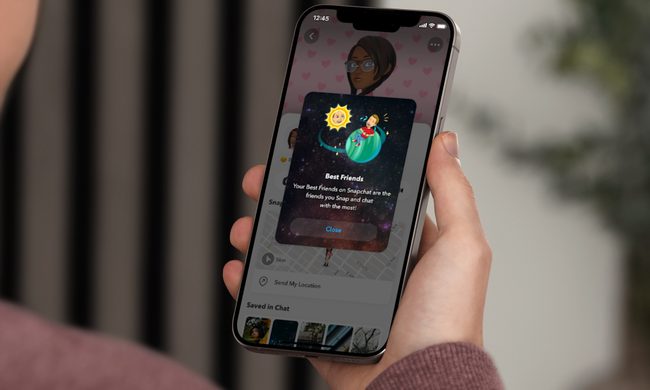
Snapchat Planets: What’s the order, and what do they mean?
Snapchat Planets turns your best friends list into a solar system, and yes, your orbit says a lot
Snapchat Planets being shown on the Snapchat app on iPhone.

Snapchat is already packed with little symbols that can be weirdly hard to decode. You have streaks, emojis, badges, scores, Best Friends, and if you use Snapchat Plus, a tiny solar system that shows where you sit in someone’s closest-friends list.

The feature is called Friend Solar System, though most people just call it Snapchat Planets. It takes your position in a friend’s Snapchat orbit and turns it into a planet. From Mercury to Neptune, these celestial bodies signify how close a person is to you.

Read more
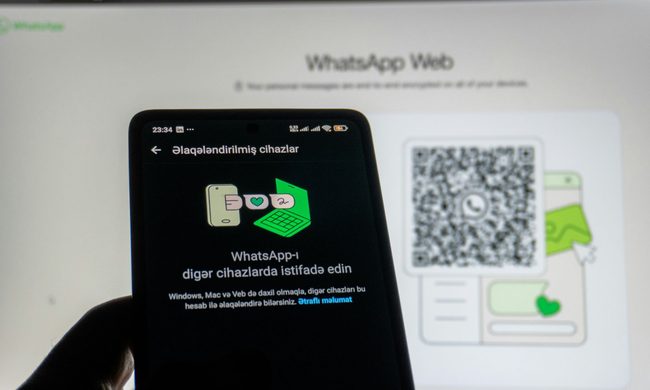
How to use WhatsApp Web
We'll show you how to use WhatsApp on your desktop or laptop
WhatsApp Web

As one of the most popular messaging services, you’ve already heard of WhatsApp. From its humble beginnings in 2009—two years before Apple introduced iMessage—to its acquisition by Facebook (now Meta) in 2014, WhatsApp has become the dominant messaging platform around the globe.

In recent years, it's grown even more potent with new features like video messages, self-destructing voice messages, the ability to edit sent messages, and more. We even finally got an WhatsApp iPad app in May 2025.

Read more
What is WhatsApp? How to use the app, tips, tricks, and more
From setting it up to mastering hidden features, here is your complete guide to WhatsApp.
WhatsApp app store listing open on iPhone

There's no shortage of messaging apps out there. The past decade has given us more options than we know what to do with, largely because smartphones demanded something better than plain old SMS.

Both the App Store and the Play Store are packed with apps that promise to revolutionize the way we communicate. Most of them didn't make it. The truth is, a messaging app is only as good as the number of people using it, and most apps never cross that threshold.

Read more