1. Home
  2. Mobile
  3. Web
  4. Legacy Archives

Samsung opens new R&D facility right on Nokia’s doorstep

Add as a preferred source on Google

samsung galaxy s4 full hd super amoled screen macro2Samsung opened a new research and development center in Espoo, Finland on Thursday – in the very same city where rival Nokia has its headquarters.

The move by Samsung highlights the huge changes that have taken place in the mobile phone industry in recent years, with Nokia – once the market leader – supplanted by the likes of Samsung and Apple. Only a few weeks ago, the Finnish phone maker was dealt another blow when data showed Samsung had for the first time replaced it as the biggest seller of handsets in the Finnish market.

Recommended Videos

Samsung said recently that its decision to establish an R&D presence in Northern Europe “reflects the importance we place on the European market.”

According to a Reuters report Thursday, many tech firms – including, for example, Huawei and Intel – have recently been setting up in the Nordic country, attracted by the abundance of talent in areas of engineering and software development, with many of these people having previously worked at Nokia or companies connected to the mobile maker.

Globally, Samsung claims to have just over 40,000 people involved in research and development, which actually makes it sound a little understaffed when you consider the huge number and wide range of electronics it’s constantly pumping out. With the opening of its Finnish facility today, its R&D network now comprises 26 centers in 11 countries throughout the world.

The opening of the Korean tech giant’s latest facility right on Nokia’s doorstep must be a tough one to swallow for workers at the once mighty mobile maker, which in recent years has been seeking to reestablish itself with its range of Windows Phone Lumia-branded handsets.

According to IDC data released at the end of May, Nokia had a 33.6 percent share of the handset market in Finland for the first three months of 2013, compared to Samsung’s 36.1 percent, putting the Korean company in the number one spot for the first time.

This time last year Nokia had 48 percent of its home market, while Samsung had just 28 percent.

Trevor Mogg
Contributing Editor
Not so many moons ago, Trevor moved from one tea-loving island nation that drives on the left (Britain) to another (Japan)…
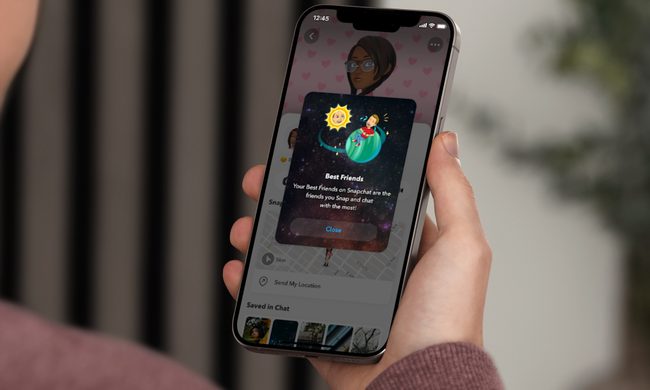
Snapchat Planets Meaning: Order, Rankings, and How Friend Solar System Works
Snapchat Planets turns your best friends list into a solar system, and yes, your orbit says a lot
Snapchat Planets being shown on the Snapchat app on iPhone.

Snapchat+ includes several exclusive features, but few have generated as much curiosity as Snapchat Planets. Part of the app's Friend Solar System, it transforms your Best Friends list into a planetary ranking, assigning each of your top eight friends a planet based on how often you interact.

From Mercury, which represents your closest friend, to Neptune, which represents your eighth closest, the system offers a quick visual snapshot of your interactions. But what do the different planets actually mean, and how does Snapchat decide who gets which one?

Read more
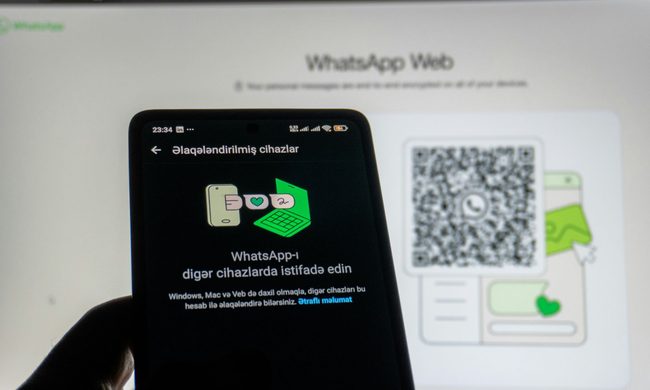
How to use WhatsApp Web
We'll show you how to use WhatsApp on your desktop or laptop
WhatsApp Web

As one of the most popular messaging services, you’ve already heard of WhatsApp. From its humble beginnings in 2009—two years before Apple introduced iMessage—to its acquisition by Facebook (now Meta) in 2014, WhatsApp has become the dominant messaging platform around the globe.

In recent years, it's grown even more potent with new features like video messages, self-destructing voice messages, the ability to edit sent messages, and more. We even finally got an WhatsApp iPad app in May 2025.

Read more
What is WhatsApp? How to use the app, tips, tricks, and more
From setting it up to mastering hidden features, here is your complete guide to WhatsApp.
WhatsApp app store listing open on iPhone

There's no shortage of messaging apps out there. The past decade has given us more options than we know what to do with, largely because smartphones demanded something better than plain old SMS.

Both the App Store and the Play Store are packed with apps that promise to revolutionize the way we communicate. Most of them didn't make it. The truth is, a messaging app is only as good as the number of people using it, and most apps never cross that threshold.

Read more