  1. Home
  2. Mobile
  3. Legacy Archives

Sprint announces $10/month premium data charge

Add as a preferred source on Google
Image used with permission by copyright holder

Mobile operator Sprint has been struggling for years to attract and retain subscribers—and today the company may have rolled out another hurdle to customer adoption, announcing it will be raising its post-paid data plan rates by $10 per month for new smartphone activations beginning January 30. Sprint is positioning the increased data fees as an alternative to the capped services offered by the likes of Verizon Wireless and AT&T: Sprint customers will still be able to tap into unlimited mobile data, they’re just going to pay more to do it.

“Sprint wants its customers to experience the range of entertainment and productivity possibilities available with today’s wireless technology,” said Sprint’s consumer business president Bob H. Johnson. “While some of our competitors impose overage charges and complex plans, Sprint continues to provide a worry-free, unlimited data experience while on the Sprint network. This is responsible, sustainable, and reflects our commitment to simplicity and value.”

Recommended Videos

The rate increase applies to Sprint’s 3G Everything data plans regardless of the type of phone involved: Android, BlackBerry, Palm, and Windows devices are all subject to the same increase. Sprint lays blame for the increase soundly at the feet of smartphone users. The company claims, on average, smartphone users consumer 10 times more data than users of “traditional feature phones”—and, of course, that includes everything from video to Web browsing to specialized applications. Existing 3G customers won’t see their rates increase until they acquire a new phone or renew their service contacts.

The rate increased put Sprint’s 3G data plans at essentially the same pricing points as its 4G WiMax service for the Android-based HTC Evo 4G and Samsung Epic 4G.

Sprint competitors AT&T and Verizon Wireless addressed the explosion in mobile data traffic by introducing tiered data plans last year.

Sprint has also announced a special event for February 7 where the company has promised to make an “industry first” announcment with the assistance of magician David Blaine.

Geoff Duncan
Former Contributor
Geoff Duncan writes, programs, edits, plays music, and delights in making software misbehave. He's probably the only member…
Snapchat Planets: What’s the order, and what do they mean?
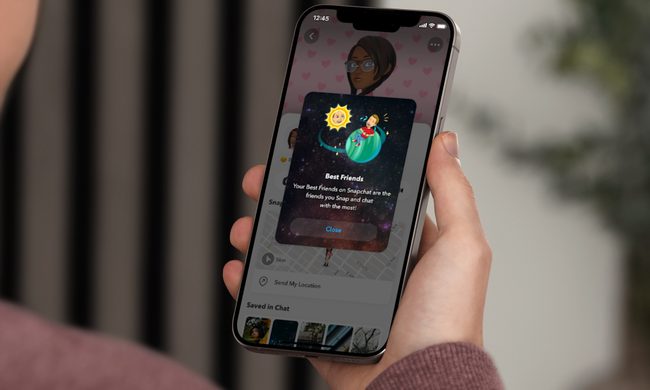
Snapchat Planets turns your best friends list into a solar system, and yes, your orbit says a lot
Snapchat Planets being shown on the Snapchat app on iPhone.

Snapchat is already packed with little symbols that can be weirdly hard to decode. You have streaks, emojis, badges, scores, Best Friends, and if you use Snapchat Plus, a tiny solar system that shows where you sit in someone’s closest-friends list.

The feature is called Friend Solar System, though most people just call it Snapchat Planets. It takes your position in a friend’s Snapchat orbit and turns it into a planet. From Mercury to Neptune, these celestial bodies signify how close a person is to you.

Read more
How to use WhatsApp Web
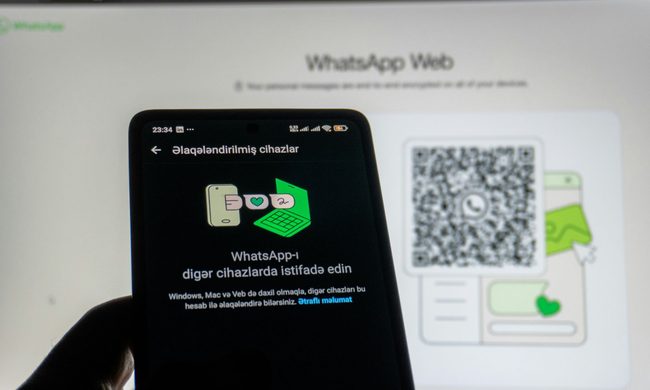
We'll show you how to use WhatsApp on your desktop or laptop
WhatsApp Web

As one of the most popular messaging services, you’ve already heard of WhatsApp. From its humble beginnings in 2009—two years before Apple introduced iMessage—to its acquisition by Facebook (now Meta) in 2014, WhatsApp has become the dominant messaging platform around the globe.

In recent years, it's grown even more potent with new features like video messages, self-destructing voice messages, the ability to edit sent messages, and more. We even finally got an WhatsApp iPad app in May 2025.

Read more
What is WhatsApp? How to use the app, tips, tricks, and more
From setting it up to mastering hidden features, here is your complete guide to WhatsApp.
WhatsApp app store listing open on iPhone

There's no shortage of messaging apps out there. The past decade has given us more options than we know what to do with, largely because smartphones demanded something better than plain old SMS.

Both the App Store and the Play Store are packed with apps that promise to revolutionize the way we communicate. Most of them didn't make it. The truth is, a messaging app is only as good as the number of people using it, and most apps never cross that threshold.

Read more