1. Home
  2. Mobile
  3. Legacy Archives

Sprint debuts Motorola XPRT, Titanium for business customers

Add as a preferred source on Google

Number three mobile operator Sprint has announced two new Android-powered smartphones for the business and corproate set, the Motorola XPRT and the Motorola Titanium. The XPRT packs enterprise-level security and “productivity enhancements” coupled with international roaming plans, while the Titanium sports Nextel Direct Connect push-to-talk capabilities—but is still stuck back at Android 2.1.

Sprint Motorola XPRT Motorola Titanium
Image used with permission by copyright holder

The Motorola XPRT is essentially the same phone as the Droid Pro that Verizon Wireless has been offering to its customers for months&mdsah;and that includes the enterprise-friendly security. Like the Droid Pro, the Motorola XPRT features a 3.1-inch HVGA display, QWERTY keypad, a 1 GHZ processor, Android 2.2 (with Flash support), Wi-Fi, Bluetooth, GPS, 3G hotspot capability, and a 5 megapixel camera. Business users will appreciate Quickoffice productivity software, corporate email support, and device encryption (including multi-headed VPN and EAS security policy support with remove device and SD wiping in the event a phone is lost or stolen). The device is also a worldmode phone supporting CDMA (EVDO Rev. A) and GSM/UMTS (HSPA)—sprint will offer international roaming service in more than 200 countries. The Motorola XPRT will go on sale June 5 for $129.99 online and through Sprint stores with a new two-year service agreement or eligible upgrade.

Recommended Videos

The Motorola Titanium follows on the heels of last year’s Motorola i1, and sports a full QWERTY keypad and supports Nextel Direct Connect for push-to-talk capabilities, a 3.1-inch HVGA display, a 5-megapixel camera, GPS, Wi-Fi, Bluetooth, and a design that meets Military Specification 810G specs for resistance to dust, shock, temperature extremes, and pressure. Sprint hasn’t announced any pricing or availability for the Motorola Titanium, but the longer it waits the older the device will get—and it’s already running at the back of the Android smartphone pack, since it’s build around Android 2.1 “Eclair.”

Geoff Duncan
Former Contributor
Geoff Duncan writes, programs, edits, plays music, and delights in making software misbehave. He's probably the only member…
Snapchat Planets: What’s the order, and what do they mean?
Snapchat Planets turns your best friends list into a solar system, and yes, your orbit says a lot
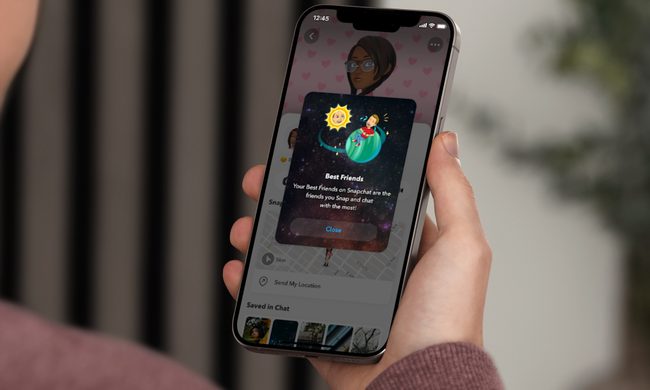
Snapchat Planets being shown on the Snapchat app on iPhone.

Snapchat is already packed with little symbols that can be weirdly hard to decode. You have streaks, emojis, badges, scores, Best Friends, and if you use Snapchat Plus, a tiny solar system that shows where you sit in someone’s closest-friends list.

The feature is called Friend Solar System, though most people just call it Snapchat Planets. It takes your position in a friend’s Snapchat orbit and turns it into a planet. From Mercury to Neptune, these celestial bodies signify how close a person is to you.

Read more
How to use WhatsApp Web
We'll show you how to use WhatsApp on your desktop or laptop
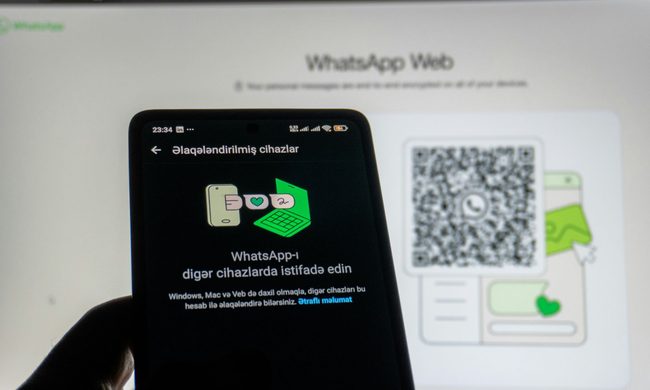
WhatsApp Web

As one of the most popular messaging services, you’ve already heard of WhatsApp. From its humble beginnings in 2009—two years before Apple introduced iMessage—to its acquisition by Facebook (now Meta) in 2014, WhatsApp has become the dominant messaging platform around the globe.

In recent years, it's grown even more potent with new features like video messages, self-destructing voice messages, the ability to edit sent messages, and more. We even finally got an WhatsApp iPad app in May 2025.

Read more
What is WhatsApp? How to use the app, tips, tricks, and more
From setting it up to mastering hidden features, here is your complete guide to WhatsApp.
WhatsApp app store listing open on iPhone

There's no shortage of messaging apps out there. The past decade has given us more options than we know what to do with, largely because smartphones demanded something better than plain old SMS.

Both the App Store and the Play Store are packed with apps that promise to revolutionize the way we communicate. Most of them didn't make it. The truth is, a messaging app is only as good as the number of people using it, and most apps never cross that threshold.

Read more