  1. Home
  2. Mobile
  3. Legacy Archives

Sprint gains subscribers for first time since 2007

Add as a preferred source on Google
Image used with permission by copyright holder

Number-three wireless operator Sprint has announced its results for its fourth quarter of 2010—and, hence, the entire 2010 fiscal year—and delivered a surprise: the carrier added nearly 1.1 million wireless subscribers during the fourth quarter, the first time Sprint has added subscribers during a quarter in more than three years. Sprint also managed to narrow its losses, down from $980 million from the fourth quarter of 2009 to $929 million for the fourth quarter of 2010.

“I am pleased with the progress Sprint made in 2010 in each of our three focus areas,” said Sprint CEO Dan Hesse in a statement. “Sprint’s customer experience and brand continued to strengthen during the year, and we generated excellent cash flow. It had been almost five years since we added over a million customers in a quarter, and the annual improvement in postpaid subscriber results of 2.7 million vs. the previous year is unprecedented in the history of the U.S. wireless industry.”

Recommended Videos

Although only 58,000 of those new subscribers represent new customers signing on to two-year contracts, that number is substantially higher than what industry watchers were expecting for the quarter, which was generally fewer than 20,000 new postpaid subscribers. Another hopeful sign for Sprint’s mobile efforts includes its postpaid churn rate dropping from 2.10 percent in the third quarter to 1.86 percent in the fourth quarter; pre-paid churn dropped from 5.32 percent to 4.93 percent. Overall, that means Sprint is not just beginning to attract new customers, but is doing a better job holding on to them.

Although it may be too early to say that Sprint has turned a corner in its years-long downward spiral in the mobile industry, the company’s fourth quarter results do offer a spark of hope that the company’s WiMax 4G and Android-centric smartphone strategy may pay off. However, the company is still facing stiff competition from the likes of AT&T and Verizon Wireless, both of which not only offer the iPhone for sale, but will also be muscling in on Sprint’s “4G” mobile broadband business with LTE and high-speed HSPA+ technologies.

Geoff Duncan
Former Contributor
Geoff Duncan writes, programs, edits, plays music, and delights in making software misbehave. He's probably the only member…
Snapchat Planets: What’s the order, and what do they mean?
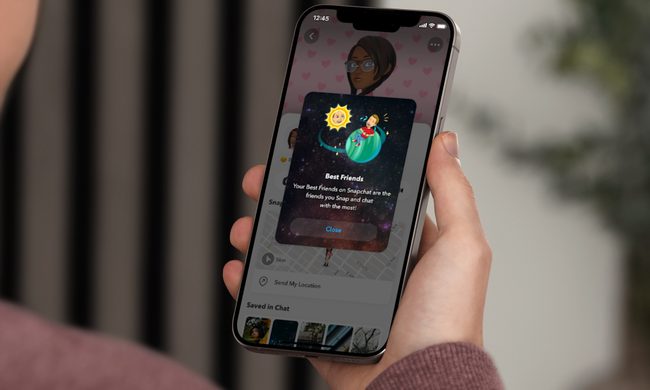
Snapchat Planets turns your best friends list into a solar system, and yes, your orbit says a lot
Snapchat Planets being shown on the Snapchat app on iPhone.

Snapchat is already packed with little symbols that can be weirdly hard to decode. You have streaks, emojis, badges, scores, Best Friends, and if you use Snapchat Plus, a tiny solar system that shows where you sit in someone’s closest-friends list.

The feature is called Friend Solar System, though most people just call it Snapchat Planets. It takes your position in a friend’s Snapchat orbit and turns it into a planet. From Mercury to Neptune, these celestial bodies signify how close a person is to you.

Read more
How to use WhatsApp Web
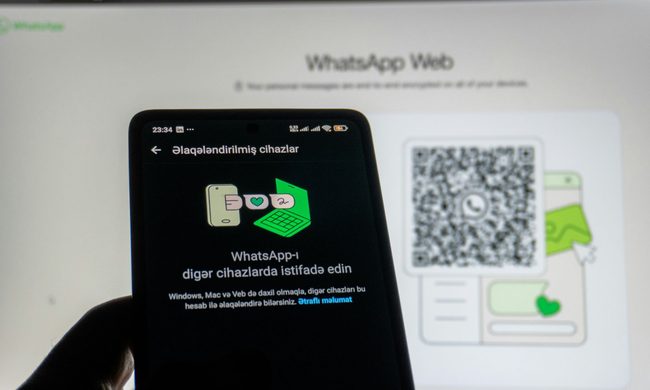
We'll show you how to use WhatsApp on your desktop or laptop
WhatsApp Web

As one of the most popular messaging services, you’ve already heard of WhatsApp. From its humble beginnings in 2009—two years before Apple introduced iMessage—to its acquisition by Facebook (now Meta) in 2014, WhatsApp has become the dominant messaging platform around the globe.

In recent years, it's grown even more potent with new features like video messages, self-destructing voice messages, the ability to edit sent messages, and more. We even finally got an WhatsApp iPad app in May 2025.

Read more
What is WhatsApp? How to use the app, tips, tricks, and more
From setting it up to mastering hidden features, here is your complete guide to WhatsApp.
WhatsApp app store listing open on iPhone

There's no shortage of messaging apps out there. The past decade has given us more options than we know what to do with, largely because smartphones demanded something better than plain old SMS.

Both the App Store and the Play Store are packed with apps that promise to revolutionize the way we communicate. Most of them didn't make it. The truth is, a messaging app is only as good as the number of people using it, and most apps never cross that threshold.

Read more