  1. Home
  2. Mobile
  3. Legacy Archives

Study: Android 2.2 upgrades few and late

Add as a preferred source on Google
Image used with permission by copyright holder

Part of the promise of the Android mobile platform is that its constantly evolving, so that folks with Android devices can look forward to new features and capabilities as the operating system evolves. Of course, many Android users are learning that the release of a new version of Android doesn’t mean that version becomes instantly available for their particular device on their particular carrier. ComputerWorld looked at how device manufacturers with Android devices on the four major U.S. mobile carriers handled upgrades to Android 2.2 “Froyo” during 2010…and, while one phone maker stood out, the picture is certainly rather bleak.

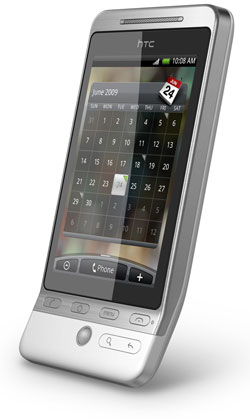
The survey found that more devices made by HTC have jumped on the Froyo bandwagon than devices from their competitors, with half of its Android devices upgraded to Android 2.2 within 2010. Motorola came in second place with 15.4 percent of its Android devices running Froyo by the end of the year—although the study notes many of its phones didn’t ship until November of 2010, leaving little time for an end-of-year upgrade. (Android 2.2 was released in June 2010; Motorola shipped four phones with Android 2.1 in November.) Motorola just barely edged HTC on upgrade times, with phones on average getting Android 2.2 in 54.5 days; HTC was just behind with an average 56-day upgrade time.

Recommended Videos

Other manufacturers didn’t fare so well: Samsung managed to upgrade only one device to Android 2.2 during 2010 (and that upgrade wasn’t exactly smooth). All the folks who have purchased Galaxy S smartphones are still waiting for Android 2.2. Dell, LG, and Sony Ericsson didn’t get any devices upgraded to Froyo during the year.

The study chose to omit the T-Mobile G1 (the first Android device) and (for obvious reasons) didn’t look at phones that shipped with Android 2.2 pre-installed.

The gap between an Android release and its availability to consumers depends on both the device manufacturer and mobile operators: device makers have to make sure the upgrade works with their hardware (and any front-ends they’ve built, like HTC Sense or Motoblur) while carriers have to test to ensure the new OS won’t disrupt their operations and systems.

As Android 2.4 and 3.0 loom on the mobile horizon, the lag between the version of an operating system installed on a device when it goes on sale and the availability of updates becomes even more galling to consumers, who generally have to commit to a two-year service contract. From a mobile operator’s perspective, the value of a smartphone use is mostly in the service contract rather than the device, carriers are primarily concerned with keeping customers on contract. To the extent a new operating system enables carriers retain customers, an upgrade has value…but most carriers would rather just sell a customer a new phone (and an extension on their service contract) rather than work on supporting an already-sold device.

Geoff Duncan
Former Contributor
Geoff Duncan writes, programs, edits, plays music, and delights in making software misbehave. He's probably the only member…
How to restore deleted or missing contacts on your iPhone
Lost your iPhone contacts? Here's how to get them back in minutes!
iPhone in hand showing restore contacts page

At some point, we all stopped memorizing phone numbers. It happened gradually, and now most of us can barely recall two or three phone numbers off the top of our heads. So when your iPhone contacts vanish, whether after a software update or an accidental delete, it can feel like a minor crisis.

Thankfully, if you act fast, you can easily restore deleted contacts on your iPhone. So, before you start texting people asking for their numbers again, try these methods to get your contacts back. These methods will work on all latest iPhone models.

Read more
The best Google Pixel deals of 2026: big savings on Google’s AI phones
The home screen on the Google Pixel 8 Pro.

Google's Pixel 10 lineup has been out for a bit, and if you've been on the fence about switching to Android's gold standard, current discounts across Amazon make this the best time to buy. We're seeing up to 26% off across the entire Pixel family, including phones and accessories.

Why buy a Pixel right now?
Google has always built the Pixel line around one idea: the smartest possible Android experience. With the Pixel 10 series, that philosophy gets a significant upgrade thanks to deep Gemini AI integration: Google's most capable AI assistant to date. It handles everything from real-time call screening and live translation to on-device photo editing and natural-language search, and it does so more seamlessly than any other Android on the market.
Add in Google's reputation for exceptional cameras, clean software, and the longest OS update commitments of any Android manufacturer, and the Pixel 10 lineup makes a compelling case for itself even at full price. At these discounted prices, it's a genuinely hard argument to beat.
Quick comparison

Read more
The best tutoring apps and websites
Screenshot of student studying

Whether you're thinking of learning a new language, looking for homework help, need a hand with your research paper, or could use a quick review for your upcoming SATs, a skilled tutor can help with all of the above. No longer limited to office hours or library meet-ups, online tutoring services are evolving and improving. In 2025, AI-powered study tools, mobile-first platforms, and expanded access to tutors around the world, students are able to get expert help anytime, anywhere.

Today's learners expect more than just flexibility. They want tutoring that's fast, focused, and delivers results. This shift has led to a new generation of tutoring platforms that combine on-demand help with real-time trackable progress.

Read more