  1. Home
  2. Mobile
  3. Legacy Archives

Toshiba shows 367ppi mobile display

Add as a preferred source on Google
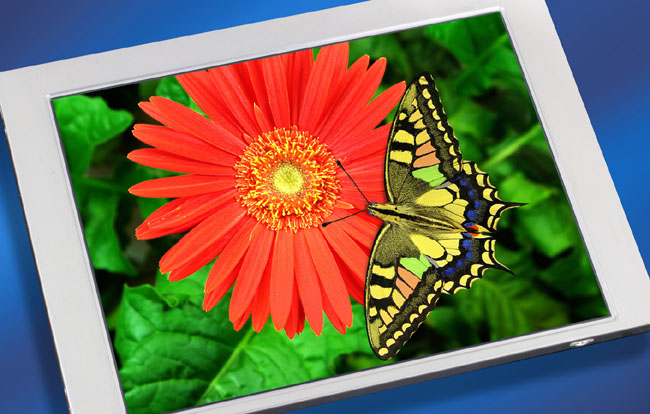
Toshiba flat panel display
Image used with permission by copyright holder

Normally trade shows offering a glimpse of forthcoming display technologies can be a little dull, but the Society for Information Display (SID) 2011 display week has offered up some interesting tidbits: yesterday it was E Ink and Epson announcing 300 dpi E Ink displays, and today Toshiba has come swinging out of the gate with a new mobile display offering a higher resolution than the iPhone 4’s famous “retina display.” Toshiba’s new LTPS (low-temperature polycrystalline silicon) displays can offer up to 367 pixels-per-inch in sizes from 3.3 to 4 inches, meaning the display are sized for a phone phone and can handle resolutions from WVGA (480 by 864 pixels) to HD (720 by 1,280 pixels).

Toshiba’s new display out-does the Apple iPhone 4’s existing high-resolution display, which wowed the mobile world last year by introducing a 326ppi resolution. Dubbed a “retina display” by Apple, the high-resolution displays are designed to offer individual pixels too small for normal human vision to make out under most circumstances, resulting in an image that appears sharp and life-like rather than the vaguely blocky-and-chunky look of most digital displays.

Recommended Videos

Toshiba’s increased resolution may not offer much apparent improvement over Apple’s existing retina display—vision researchers generally agree most people can’t discern differences in resolution over about 300ppi—but the rest of the specs on Toshiba’s new offering also give it a leg up: it offers a contrast ratio of up to 1,000:1 (compared to 800:1 on the iPhone 4 display), covers 92 percent of the NTSC color spectrum, and has horizontal and vertical viewing angles of 176 degrees.

There’s no word on when Toshiba’s high-res display may make it into consumer products, but we expect the answer is something like “as soon as manufacturers can get them in quantity.”

Geoff Duncan
Former Contributor
Geoff Duncan writes, programs, edits, plays music, and delights in making software misbehave. He's probably the only member…
Snapchat Planets: What’s the order, and what do they mean?
Snapchat Planets turns your best friends list into a solar system, and yes, your orbit says a lot
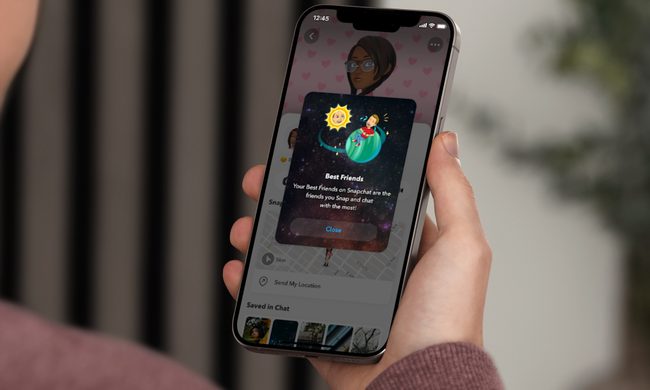
Snapchat Planets being shown on the Snapchat app on iPhone.

Snapchat is already packed with little symbols that can be weirdly hard to decode. You have streaks, emojis, badges, scores, Best Friends, and if you use Snapchat Plus, a tiny solar system that shows where you sit in someone’s closest-friends list.

The feature is called Friend Solar System, though most people just call it Snapchat Planets. It takes your position in a friend’s Snapchat orbit and turns it into a planet. From Mercury to Neptune, these celestial bodies signify how close a person is to you.

Read more
How to use WhatsApp Web
We'll show you how to use WhatsApp on your desktop or laptop
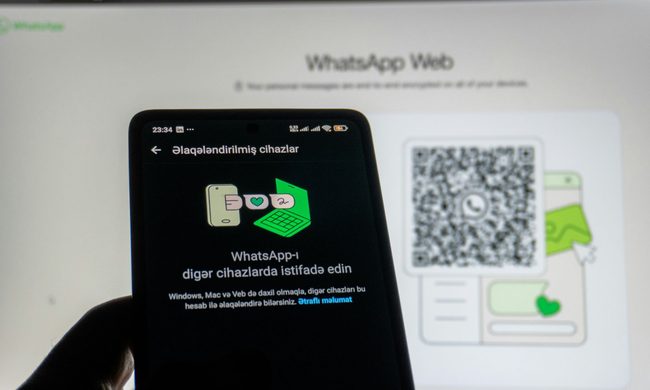
WhatsApp Web

As one of the most popular messaging services, you’ve already heard of WhatsApp. From its humble beginnings in 2009—two years before Apple introduced iMessage—to its acquisition by Facebook (now Meta) in 2014, WhatsApp has become the dominant messaging platform around the globe.

In recent years, it's grown even more potent with new features like video messages, self-destructing voice messages, the ability to edit sent messages, and more. We even finally got an WhatsApp iPad app in May 2025.

Read more
What is WhatsApp? How to use the app, tips, tricks, and more
From setting it up to mastering hidden features, here is your complete guide to WhatsApp.
WhatsApp app store listing open on iPhone

There's no shortage of messaging apps out there. The past decade has given us more options than we know what to do with, largely because smartphones demanded something better than plain old SMS.

Both the App Store and the Play Store are packed with apps that promise to revolutionize the way we communicate. Most of them didn't make it. The truth is, a messaging app is only as good as the number of people using it, and most apps never cross that threshold.

Read more