  1. Home
  2. Mobile
  3. Legacy Archives

Verizon settles government overbilling case for $93.5 million

Add as a preferred source on Google
Verizon Logo
Image used with permission by copyright holder

Everyday consumers are no strangers to being overcharged by Verizon: the company has been slammed for its onerous early termination fees and recently agreed to cough up $77.8 million to settle allegations it charged customers for data services they never used. But consumers are not alone: now, Verizon has reached a $93.5 million settlement with the U.S. government to settle charges that the company overbilled for voice and data services provided via government contracts.

“A government contract is not a blank check,” said U.S. Attorney Ronald C. Machen Jr., in a statement. “Contractors who overbill the government will be aggressively pursued and required to make the taxpayers whole. This $93 million recovery should make contractors realize that we are firmly committed to ensuring the integrity of corporate billing practices with respect to government programs.”

Recommended Videos

Verizon Business Services—otherwise known as MCI Communications Services, a Verizon subsidiary—is alleged to have invoiced the General Services Administration for amounts corresponding to state, local, and federal taxes on services, in violation of contract and federal regulations. Verizon also submitted claims for reimbursement of common carrier recover charges, unallowed surcharges, and even property taxes, all items that were not eligible for payment under the terms of Verizon’s contract.

The complaint was originally brought against Verizon as a whistleblower complaint by Stephen M. Shea and 2Probe LLC; the complaint dates from 2007 and covers billing going all the way back to 1999.

Geoff Duncan
Former Contributor
Geoff Duncan writes, programs, edits, plays music, and delights in making software misbehave. He's probably the only member…
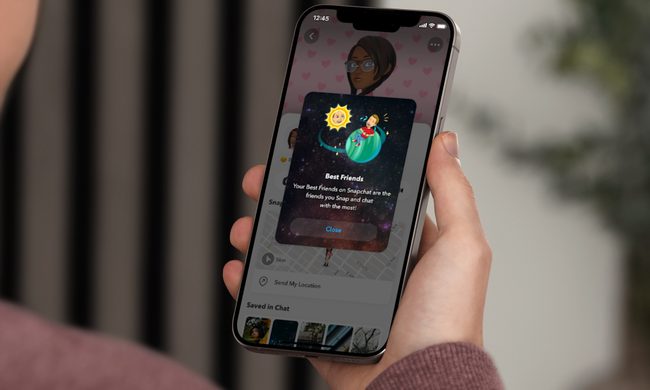
Snapchat Planets: What’s the order, and what do they mean?
Snapchat Planets turns your best friends list into a solar system, and yes, your orbit says a lot
Snapchat Planets being shown on the Snapchat app on iPhone.

Snapchat is already packed with little symbols that can be weirdly hard to decode. You have streaks, emojis, badges, scores, Best Friends, and if you use Snapchat Plus, a tiny solar system that shows where you sit in someone’s closest-friends list.

The feature is called Friend Solar System, though most people just call it Snapchat Planets. It takes your position in a friend’s Snapchat orbit and turns it into a planet. From Mercury to Neptune, these celestial bodies signify how close a person is to you.

Read more
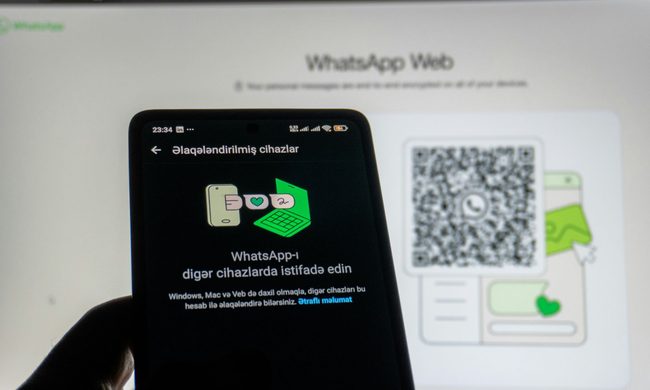
How to use WhatsApp Web
We'll show you how to use WhatsApp on your desktop or laptop
WhatsApp Web

As one of the most popular messaging services, you’ve already heard of WhatsApp. From its humble beginnings in 2009—two years before Apple introduced iMessage—to its acquisition by Facebook (now Meta) in 2014, WhatsApp has become the dominant messaging platform around the globe.

In recent years, it's grown even more potent with new features like video messages, self-destructing voice messages, the ability to edit sent messages, and more. We even finally got an WhatsApp iPad app in May 2025.

Read more
What is WhatsApp? How to use the app, tips, tricks, and more
From setting it up to mastering hidden features, here is your complete guide to WhatsApp.
WhatsApp app store listing open on iPhone

There's no shortage of messaging apps out there. The past decade has given us more options than we know what to do with, largely because smartphones demanded something better than plain old SMS.

Both the App Store and the Play Store are packed with apps that promise to revolutionize the way we communicate. Most of them didn't make it. The truth is, a messaging app is only as good as the number of people using it, and most apps never cross that threshold.

Read more