1. Home
  2. Mobile
  3. Social Media
  4. Legacy Archives

WhatsApp reaches 20 billion messages a day, CEO calls it “Bigger than Twitter”

Add as a preferred source on Google
whatsapp facebook
Image used with permission by copyright holder

WhatsApp, the cross-platform messaging service that saves you from carrier SMS text messaging charges for a dollar a year, has announced that it’s now “Bigger than Twitter,” with more than 200 million active users.

CEO Jan Koum, speaking yesterday at the Dive into Mobile conference, also mentioned yesterday that they’re currently processing 20 billion messages every day – 12 billion outbound, 8 million inbound.

Recommended Videos

One of Koum’s less pleasant duties at the conference involved debunking a rumor that Google was looking to buy WhatsApp for a billion dollars (we reported said rumor). He said that he and his co-founder haven’t ever spoken of selling the company, and expressed his wish for bloggers to take more responsibility in maintaining control of the rumor mill. He made it very clear how disruptive the acquisition press can be to his team.

If you’re late to the party on WhatsApp, it provides inter-platform messaging between Android, iPhone, Windows Phone, Nokia, and Blackberry. It runs on your standard Internet data plan, and supports video, audio, and unlimited pics. The company’s site is tailored to actual people, too, with a candid, conversational blog and an ad-condemning Fight Club quote on their front page. And oh yeah, they don’t sell ad space. 

You probably know someone (very possibly yourself) who’s gotten gypped on messaging at some point, but pretty much everyone reading this should have unlimited texting by now, so what’s WhatsApp’s big draw?

Well, first off, you can make group chats and save them, which is good for anyone who actually uses texts for information gathering, and doesn’t want to worry about older messages getting deleted. The app has also got its own notification and privacy settings, so at the end of the day, it could be seen as just another way to section off your contacts. But with 20 billion messages going through the service every day, we wonder if WhatsApp will be seen down the road as the app that killed the SMS.

Saul Berenbaum
Former Digital Trends Contributor
Saul Berenbaum has been writing film and gaming reviews since college. Recently, he contributed to HardcoreDroid. Now he…
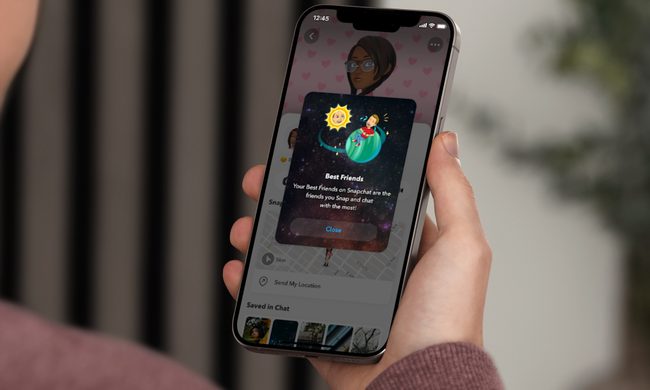
Snapchat Planets: What’s the order, and what do they mean?
Snapchat Planets turns your best friends list into a solar system, and yes, your orbit says a lot
Snapchat Planets being shown on the Snapchat app on iPhone.

Snapchat is already packed with little symbols that can be weirdly hard to decode. You have streaks, emojis, badges, scores, Best Friends, and if you use Snapchat Plus, a tiny solar system that shows where you sit in someone’s closest-friends list.

The feature is called Friend Solar System, though most people just call it Snapchat Planets. It takes your position in a friend’s Snapchat orbit and turns it into a planet. From Mercury to Neptune, these celestial bodies signify how close a person is to you.

Read more
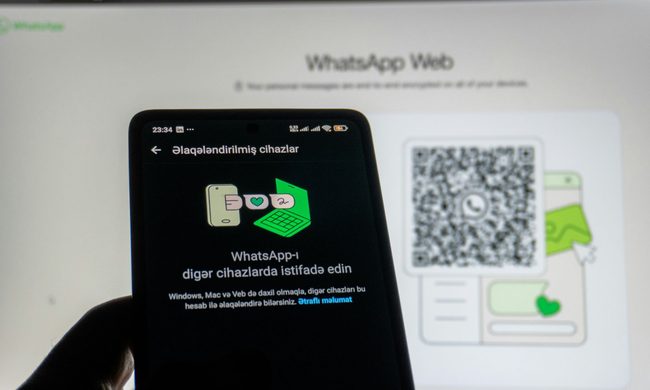
How to use WhatsApp Web
We'll show you how to use WhatsApp on your desktop or laptop
WhatsApp Web

As one of the most popular messaging services, you’ve already heard of WhatsApp. From its humble beginnings in 2009—two years before Apple introduced iMessage—to its acquisition by Facebook (now Meta) in 2014, WhatsApp has become the dominant messaging platform around the globe.

In recent years, it's grown even more potent with new features like video messages, self-destructing voice messages, the ability to edit sent messages, and more. We even finally got an WhatsApp iPad app in May 2025.

Read more
What is WhatsApp? How to use the app, tips, tricks, and more
From setting it up to mastering hidden features, here is your complete guide to WhatsApp.
Electronics, Phone, Mobile Phone

There's no shortage of messaging apps out there. The past decade has given us more options than we know what to do with, largely because smartphones demanded something better than plain old SMS.

Both the App Store and the Play Store are packed with apps that promise to revolutionize the way we communicate. Most of them didn't make it. The truth is, a messaging app is only as good as the number of people using it, and most apps never cross that threshold.

Read more