
In this world of smartphones, many manufacturers are doing a pretty decent job of keeping up with all of the advancements in mobile technology. But let’s face it: most normal users aren’t really all too concerned with the processor, contrast ratio, or specifics about the audio formats. They’re interested in battery life, speed, camera, and the number of apps available to download.
It’s the app selection that many operating systems are struggling to keep up with. Of course, iOS and Android dominate the market by a landslide. App offerings are so important, in fact, the beefed up Blackberry App World was one of the biggest selling points for the suffering phone manufacturer when it recently released its new line of phones.
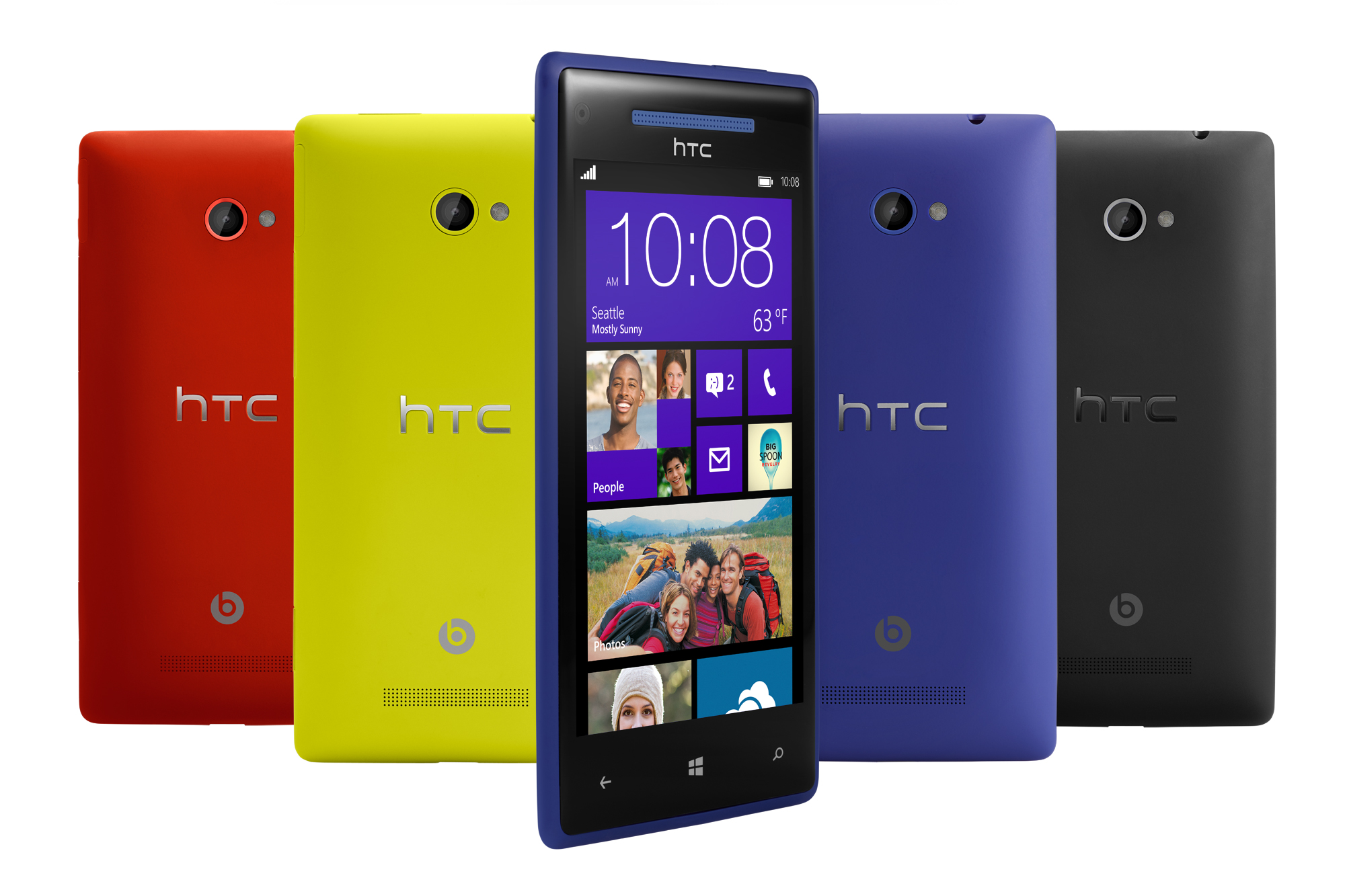
 But, ahead of them, is Microsoft. The company just reported on its blog that the Windows Phone Store recently surpassed 130,000 app offerings. To boot, Microsoft is starting to see a huge boost in the number of downloads. The company saw an astounding 91 percent bump in paid app revenue, with an overall download increase of 75 percent. The number of apps downloaded per user has also steadily increased to 55 each.
Helping to increase these downloads, no doubt, is the increase in Windows Phone sales, which, over the 2012 holiday season, increased to four times the normal number. They also claim to have 10 percent of the market share in a number of countries, but didn’t reveal which ones.
Since the launch of the Windows Phone 8 last October, 15,000 pre-existing Windows apps have been upgraded for the latest operating system. And Windows Phone 8 SDK downloads have surpassed 500,000, meaning that this growth is expected to continue, as more and more developers continue to work on creating new apps.
We’re excited to see where all this leads, particularly because we enjoy a little friendly (or not-so-friendly) competition, and it’s nice to see a former underdog begin to make some headway.