

With all the talk about 5G, it’s easy to forget we barely have true 4G yet. What we have now — 4G LTE — is a whole lot better than 3G, but does not reach the speed specifications set by the regulatory body, the International Telecommunication Union (ITU). The technical standard for 4G is peak speeds of at least 100Mbps for high mobility (when you’re moving quickly) or 1Gbps for more stationary applications.
Since that was fairly unreachable for carriers and manufacturers until recently, the regulatory body allowed those entities to call their offering 4G LTE as long as it substantially improved on 3G. Only now, with the introduction of LTE-Advanced are we beginning to see those promises become a reality, but even still, in real-world conditions, you’re more likely to see speeds in the double digits than the triple digits.
If you were surprised by that information, well, you wouldn’t be alone. It’s not a facet of our wireless history that industry players like to broadcast. Still, after a bumpy initial rollout, 4G LTE has delivered on many of the predictions and expectations that were set before its launch. Namely, it gave birth to the widespread consumption and use of mobile video, a massive turning point in tech history. From the 4G LTE era, we got video chatting, video-driven social media like Snapchat, and mobile consumption of TV and film through apps like Netflix.
Will 5G be as influential? All signs point to yes (if not for smartphones, then for other forms of wireless communication) — but, like 4G it will take time. In an effort to set more realistic expectations for the new wireless generation, let’s take a look at some of the ways the 5G rollout might be similar to the 4G LTE rollout, and some ways in which it might differ.
Speeds
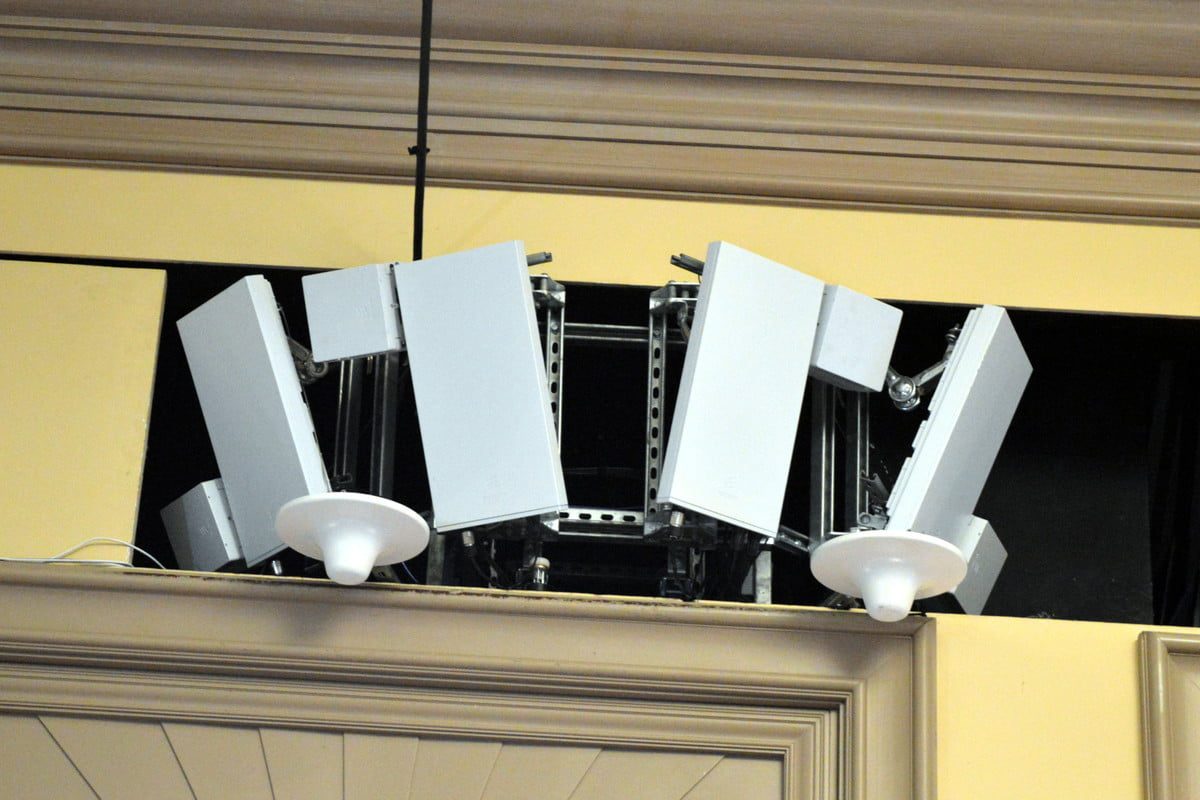
The ITU IMT-2020 specification requires 5G to feature peak speeds of 20Gbps, but as we saw from 4G LTE, we can realistically expect those sorts of speeds 10 years from now. Even then, those speeds are only expected when using short-range mmWave spectrum, not longer range sub-6GHz spectrum. That means as per usual, rural areas won’t feel the benefit for a while, if at all. For now, consumers living in urban areas should expect speeds in line with LTE Advanced (or, one might say, true 4G) that will incrementally improve each year.
Devices

When 4G LTE first arrived on the scene, supported devices were not great. They were bulky, power hungry, and expensive. A key concern with the prospect of 5G is that the first 5G handsets will also feature these significant flaws. After all, 5G hardware is bulky, and when a phone is constantly straining for a new, less reliable network that’s still relatively sparse, battery drains quickly.
But 5G technology advocates promise battery issues will not plague this new generation of wireless like it did the previous. Why? Because the first 5G phones are going to rely primarily on 4G and 4G LTE — which is not a particularly powerful selling point. Additionally, some companies are planning to keep battery drain low by excluding mmWave tech, arguably the most important 5G breakthrough.
As for bulkiness and price, there may not be any reassurances forthcoming on that front. 5G phones that use mmWave will need multiple new antennas because even hands can block the signal easily, and at first, devices will need both LTE and 5G modems. The price and size are almost certain to go up. Ultimately, 5G devices may be a bit better than 4G LTE from a rollout perspective, but only marginally.
Carriers
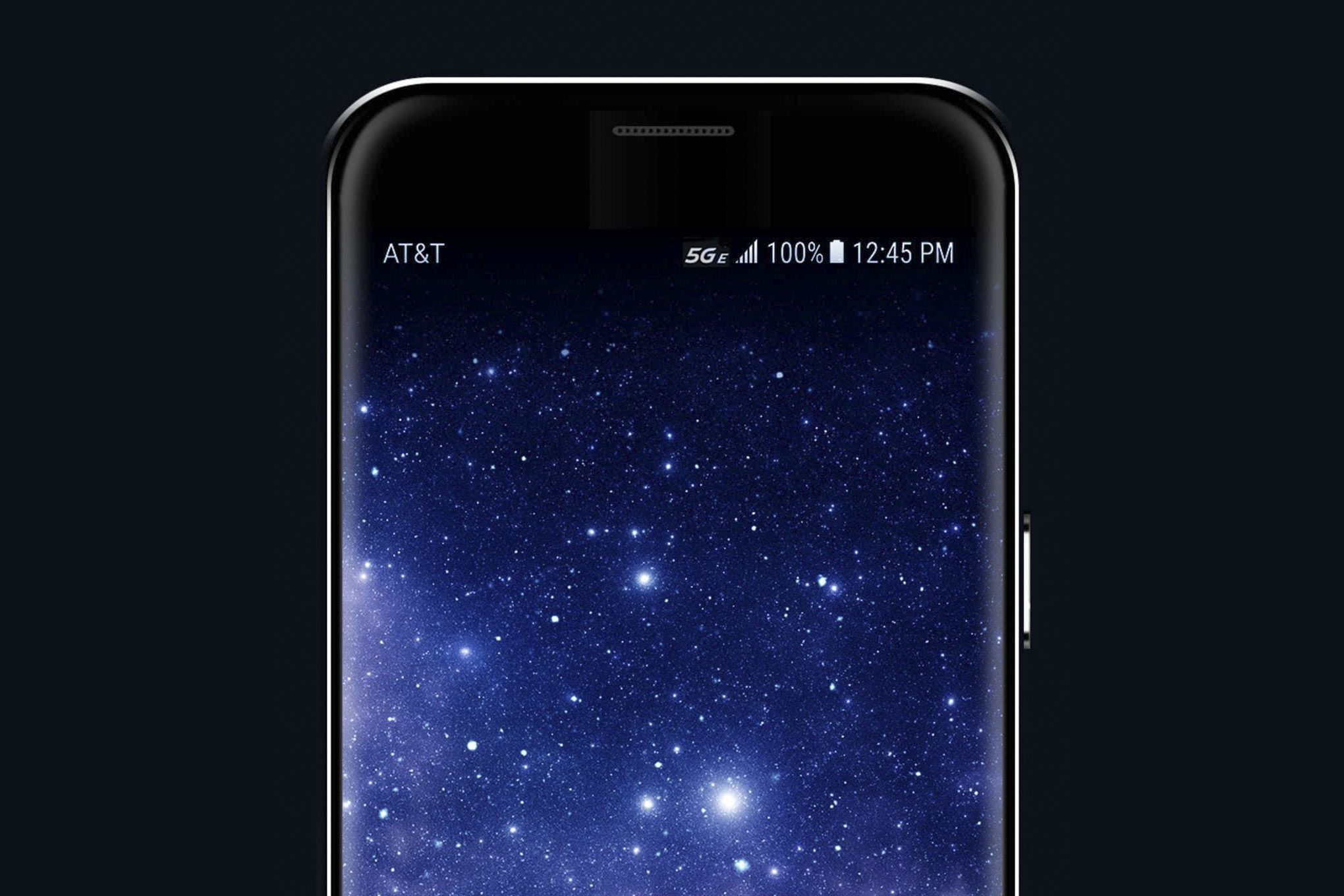
A lot of the misconceptions about 5G come directly from the carriers and their over-hyped marketing campaigns, which is unfortunate but understandable. With each new wireless generation, carriers are heavily investing into upgrades that are difficult to market by nature. New wireless generations carry potential, but it’s difficult to sell potential. Carriers try though, creating content that shows a smorgasbord of future tech — augmented and virtual reality, driver-less cars, and robots. Additionally, and perhaps more dangerously, they promise that our current applications will also be much better as a result of the new wireless generation.
The carriers may very well be right about the future technology, only time will tell, but to suggest 5G will be beneficial in the short-term is likely stretching the truth. In addition to the road bumps we may see in device rollouts, there’s no reason to believe young and developing 5G networks will make our lives easier, particularly from an interoperability standpoint. One major issue? Due to the use of different spectrum frequencies by different U.S. carriers, the first 5G devices will probably be carrier-locked, meaning you can’t freely switch from 5G service on one carrier to 5G service on another.
Eventually, that issue will smooth out as it did with 4G LTE, but in this aspect as with the others, the 5G rollout isn’t looking much easier than it was for 4G LTE — especially if we don’t face the facts and prepare accordingly.


