
It’s spring, and that usually means that the iPhone rumor mill is nonstop — and that’s been especially true in recent weeks. It seems that some news about the next-generation iPhone 15 has been hitting the headlines every day lately, and there’s even been a lot of back and forth this year. One of the hottest rumors circulating has revolved around the iPhone 15 Pro’s buttons … or possible lack thereof.
If you haven’t heard yet, there has been a lot of speculation that the iPhone 15 Pro will not only replace the mute switch with a button but that it will also ditch physical buttons and replace them with solid-state buttons using haptic engines.
But according to Ming-Chi Kuo, who was the first to bring up the solid-state button design, these plans may be scrapped after all.
So, no more solid-state buttons?
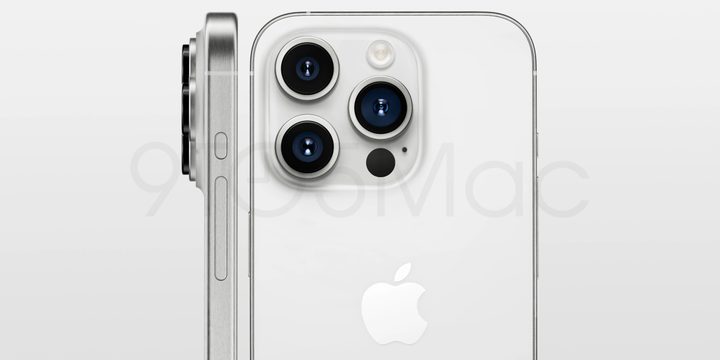
The iPhone’s volume buttons and mute switch have largely remained the same, despite numerous design changes throughout the years. There has always been a switch to toggle between having the ringer on or being silent, and there have always been two buttons for adjusting the volume up and down.
With the rumors about the solid-state buttons, renderings showed a single volume rocker. And it was rumored that these would no longer be physical buttons with their own mechanism, instead having a solid-state design with haptic feedback, similar to how the Home button was on the iPhone 7 (or the glass trackpads on recent MacBooks). So, while you could still “press” these buttons, you would just feel haptic feedback instead of it actually moving when pressed.
The new reports from Jeff Pu, a Haitong Tech analyst, and Kuo, now seem to backtrack on the previous claim that there would be solid-state volume buttons on the iPhone 15 Pro. This appears to be due to technical issues with the manufacturing process that Apple has yet to resolve. According to Pu, having solid-state buttons requires a more complex design, as three haptic engines inside the phone would be required.
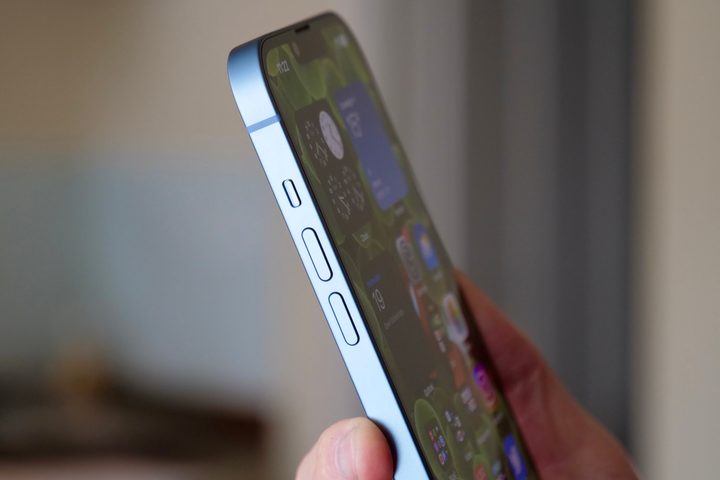
With this in mind, Apple will revert back to the traditional physical button design that it has used over the past decade. This would provide more time for Apple to build the parts required for such a big hardware design change.
Kuo’s report also seems to indicate that, originally, investors anticipated this design change to increase the revenues and profits of suppliers. But this could be the opposite for Cirrus Logic (the exclusive Controller IC supplier) and AAC Technologies (the supplier of the Taptic Engine).
Even though all the renders and reports up to now have been saying that the iPhone 15 Pro will have solid-state buttons, Apple is currently in the Engineer Validation Test (EVT) stage, which means that there is still time for Apple to change the final design.
It is important to note that Kuo usually has a good track record when it comes to Apple leaks. However, now it may look like the iPhone 16 in 2024 will be the first iPhone to have solid-state buttons instead.
If it ain’t broke …
There’s been so much talk about the solid-state buttons, but honestly, I’ve been pretty skeptical about that since the beginning. As such, I’m glad that they may not be coming after all.
I think the physical volume buttons have been fine after all this time, and I’ve never had an issue with them. Changing them to solid-state haptic buttons feels like it would be changing it for the sake of change, but it’s just not necessary, at least in my eyes.
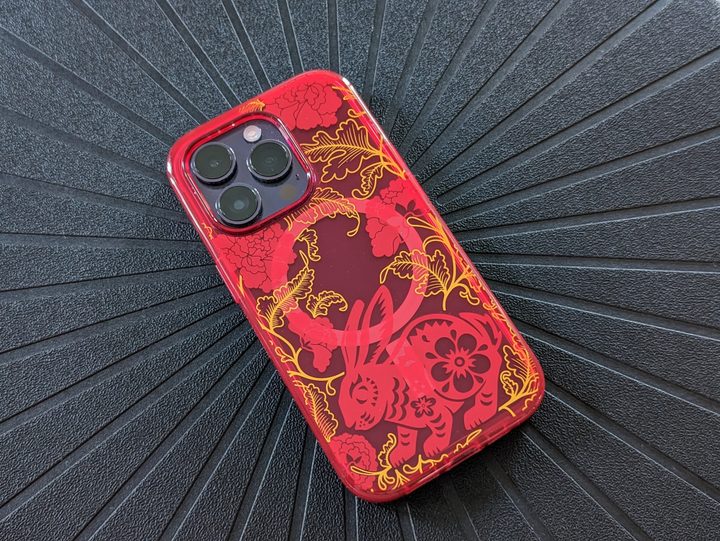
Another thing that was bothering me about haptic volume buttons is, well, what about cases? I’m the type of person who needs to use a case all the time (I have a bad case of the butterfingers), and one of my must-haves for a case are button covers that also provide excellent, tactile feedback. You know — that satisfying click each time you press it. If the volume buttons are moving to haptics, how exactly will that work with cases since they won’t depress when you press them?
I suppose I won’t need to worry about that this year if the iPhone 15 Pro isn’t getting those solid-state buttons. I guess we’ll (maybe) find out how that works next year.
What about the mute switch?
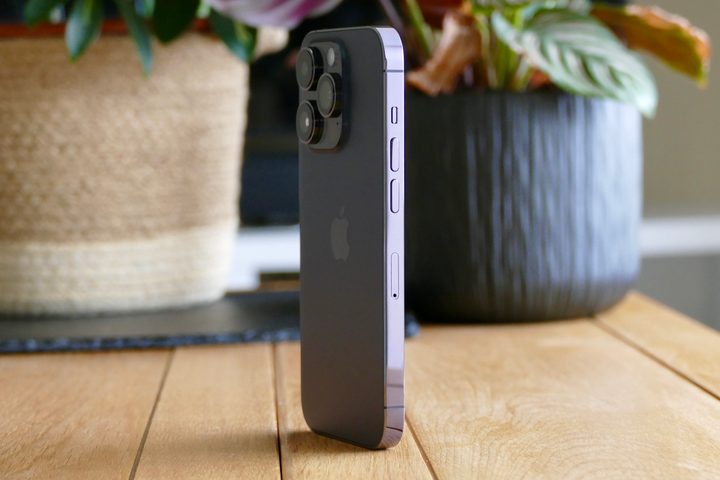
As far as I can tell, the report seems to only talk about the solid-state buttons issue. But it seems like Apple may still go through with changing the mute switch to a button, which would also be physical if the technical issues with the haptic engine are true.
Though I’m also critical about the change for the mute switch, I would actually like to see a multi-use “Action Button” instead. I am the kind of person who literally flips the mute on and then never changes it again, so the switch is kind of wasted on me. If it was a button that I could remap to whatever other functionality (quickly launch the camera app, for example), then I would get much more use out of it.
While I’m not sad that the iPhone 15 Pro may not have haptic, solid-state buttons, I do hope the plans to implement a customizable button remain. But there’s still a lot of time between now and the iPhone 15 announcement, so who knows what other changes may pop up?


