  1. Home
  2. Phones
  3. News

Apple’s hotly-awaited low-cost MacBook might not be so low-cost, after all

Memory shortages and a cobalt export ban have Apple's cheapest-ever MacBook trending toward a price that isn't all that cheap anymore.

Add as a preferred source on Google
A MacBook Pro set on a table with a lamp.
Paolo Conversano / Unsplash

That $599 price tag Apple’s budget MacBook was rumored to carry last August? It’s looking shakier by the day.

When supply chain sources first floated the number, it made sense on paper — nearly as cheap as the M1 MacBook Air got during its Walmart clearance run, and enough to open Apple’s laptop lineup to a whole new tier of buyers. But component costs have moved against Apple since then, and two areas in particular are proving stubborn (via DigiTimes).

The memory problem

Memory is the bigger headache. Prices have climbed steeply over the past year, and the relief valve that many in the industry were counting on — increased output from Chinese memory makers — hasn’t materialized the way anyone hoped.

Recommended Videos

Those suppliers are maxed out and focused on domestic customers. Apple, which historically had enough purchasing leverage to sidestep the worst of these cycles, is feeling it this time. Tim Cook said as much on a recent earnings call, noting that while Q1 2026 exposure was limited, the pressure would build through Q2 and beyond.

Batteries are piling on. Cobalt — a key ingredient in lithium battery production — has gone from around $21,500 per metric ton in early 2025 to north of $56,000 after the Democratic Republic of Congo banned exports. That’s a 161% increase. Battery module prices alone jumped 10–15% just in February.

It looks like a $599 price tag is off the table

Put it together, and the $599 dream has largely been revised out of circulation. Current estimates from within the supply chain put the likely price between $699 and $749.

Which creates a real awkward situation for Apple. The M4 MacBook Air starts at $999 — but it goes on sale, gets discounted through education pricing, and regularly dips below that in retail. A budget MacBook creeping toward $749 starts looking less like a category opener and more like a shelf prop designed to nudge buyers toward the Air anyway.

What the cheaper model is still expected to bring: an A-series chip borrowed from Apple’s iPhone line, a slimmer and lighter build than the current Air, and a smaller screen. Respectable specs — just not quite the disruptive entry point the rumor mill had us expecting.

Shikhar Mehrotra
For more than five years, Shikhar has consistently simplified developments in the field of consumer tech and presented them…
Apple could get a taste of sub-nanometer chips in 2029
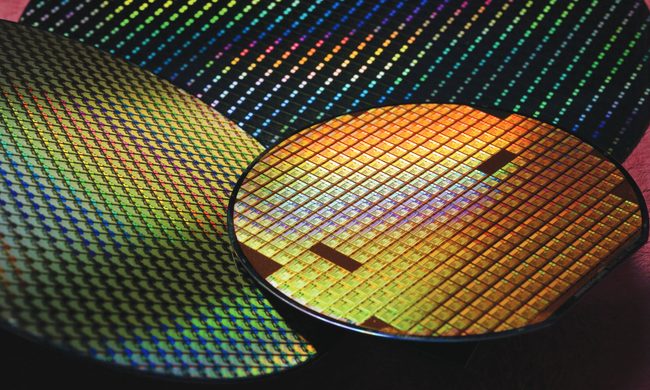
TSMC is reportedly looking toward the sub-1nm era, with a new report pointing to a 2029 trial production target.
TSMC 12-inch silicon wafer.

Apple is often the first to the starting line when it comes to shrinking silicon, and its partnership with TSMC is a key reason behind that lead. While we are currently settling into the 2nm era, the roadmap for what comes next is already coming into focus. A new report reveals TSMC is eyeing the sub-1nm milestone with a target for trial production as early as 2029.

TSMC's silicon roadmap leading to sub-1nm chips

Read more
Casely is recalling nearly half a million power banks over a fire hazard. Here’s how to check if you’re affected
Casely Power Pod recall reissued after a fatality and an in-flight fire
casely-power-bank-recalled

If you own a power bank, you need to check if it’s a faulty model. Casely has issued a recall for about 429,200 units of the Casely Power Pods through the US Consumer Product Safety Commission. The lithium-ion battery inside can overheat and ignite, posing a serious fire and burn risk.

Why has the Casely power bank been recalled?

Read more
Chinese repair shops have apparently figured out how to fix ugly dents on iPhones
In China, dents, scratches, and all the damage in between can be wiped from your iPhone 17 Pro and Pro Max, and the results are seriously impressive.
Rear shell of iPhone 17 Pro.

With the iPhone 17 Pro and Pro Max, Apple switched back to an aluminum frame owing to the material’s better thermal conductivity and lightweight nature. While this practical change makes sense, the aluminum is softer than titanium, which also means it shows damage more readily. 

Drop it from a decent height onto a hard surface, and it will show. But here's the thing. Aluminum is also much more forgiving to repair. Unlike titanium, it responds well to skilled hands, and Chinese repair shops are making the most of this fact, doing some crazy repairs.

Read more