
The EU this week signed off on the Digital Markets Act (DMA) and Digital Services Act (DSA), two pieces of legislation that will force Apple, Google, and Facebook to change how their platforms work when it comes to competition. Primarily, messaging apps like WhatsApp and iMessage will be forced to interoperate with smaller partners, while platform holders like Apple will have to allow for third-party app stores. Both acts will come into force through the end of the year.
It’s a big step, though it’s one that we’ve seen c0ming for months. Big tech companies have been dinged globally for making it hard for people to move between platforms, while also consolidating power (intentionally or incidentally) in a manner that smaller competitors would find it hard to break into markets they operate in. The DMA will make it so that all these messaging apps will have to work together. How? Well, that’s up to the platform holders. The body is putting together a team of enforcers so that services that aren’t in compliance will face the threat of fines.
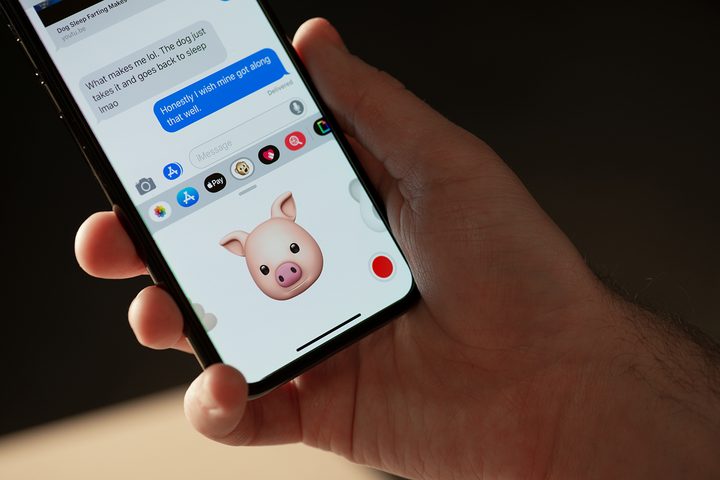
The rules mandating messaging interconnectivity in the DMA will hit Apple and Facebook the hardest. Facebook offers Messenger and WhatsApp, two messaging platforms that boast over 2 billion users apiece. Apple’s Messages app, while also hosting SMS, supports a sizeable number on its iMessage platform. Smaller services like Threema or Signal will not be affected. It’s not clear how the implementation would occur. Would all services have to support a universal protocol like RCS? Would the EU settle for a minimum SMS integration? Or would we have to see a new XMPP-style protocol (a tool that powered the old Google Talk) emerge?
Ironically, Facebook has already taken the first steps toward building something resembling what the EU would want. It’s started work on cross-compatibility between Messenger and Instagram outside the EU, while also testing support for WhatsApp.
In the same vein, the DSA will take on platforms like the App Store. Currently, iOS developers are subject to the whims of Apple’s App Store rules. If they don’t like it, they can’t just leave as they can do on Android — they’ll have to fall in line or lose access to Apple’s customers. Legislators and judges in Japan, Korea, and even the U.S. have taken aim at different aspects of the app store paradigm, but the EU’s DSA marks the most sweeping change yet. Apple will, if it wants to keep operating in Europe, have to open up iOS to third-party App stores.

Commenting on the news, Margrethe Vestager, executive vice president for A Europe Fit for the Digital Age, said: “The European Parliament has adopted a global first: Strong, ambitious regulation of online platforms. The Digital Services Act enables the protection of users’ rights online. The Digital Markets Act creates fair, open online markets. As an example, illegal hate speech can also be dealt with online. And products bought online must be safe. Big platforms will have to refrain from promoting their own interests, share their data with other businesses, enable more app stores. Because with size comes responsibility — as a big platform, there are things you must do and things you cannot do.”
Thierry Breton, commissioner for the Internal Market, added: “10 years ago, a page was turned on banks ‘too big to fail’. Now — with DSA and DMA — we’re moving on to platforms that are too big to care. We are finally building a single digital market, the most important in the free world. The same predictable rules will apply, everywhere in the EU, to our 450 million citizens, offering everyone a safer and fairer digital space.”


