
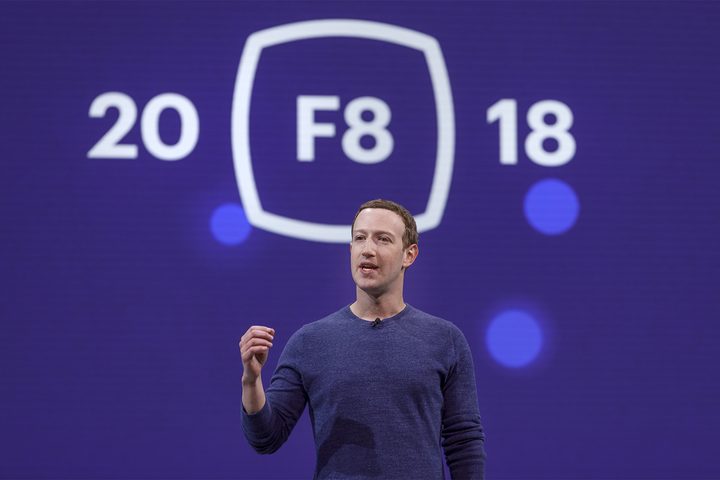
When Mark Zuckerberg took the stage at Facebook’s F8 developer conference to discuss the future of Facebook and its related properties — including Instagram — one of the first new features he announced was something of a surprise. Facebook is going to get into the dating game. And now, we’re getting more information about what this service will look like. After officially sharing the upcoming feature in May, code suggests Facebook employees are now testing the dating feature before it goes live.
First and foremost, the dating app won’t have ads, but will still be free. While this isn’t revolutionary for other dating apps, it is quite notable considering that Facebook’s primary revenue source comes from its advertisements. Luckily, you won’t be courted by companies and services — just by potential matches.
Rather than pulling information directly from your Facebook profile, the dating service will require users to create a separate dating page. While you can access this profile through your existing Facebook page, when potential matches see you, it will be through the lens of the dating-specific profile, not your general Facebook information. That said, a spokesperson noted that there are no plans to make a separate app for the service.
As for how you’ll actually be matched with other users, Facebook “will make some recommendations based on interests and other data, like your location, but you’ll also be able to find possible matches by ‘unlocking’ groups or events on Facebook, which will allow you to connect with other singles who have unlocked those same groups or events,” Recode reports.
Once you’ve matched, you will use a separate messaging portal to actually connect with your potential dream date. You won’t be placed in Messenger or WhatsApp until both you and your prospective paramour have agreed to exchange numbers or usernames. Plus, messages will only be text-based — no images or videos allowed.
“We’re building a feature for dating and relationships within the Facebook app. People already use Facebook to meet new people, and we want to make that experience better,” Facebook said in an announcement. “People will be able to create a dating profile that is separate from their Facebook profile — and potential matches will be recommended based on dating preferences, things in common, and mutual friends.”
It’s a move that Zuckerberg justifies by noting that one in three marriages in the U.S. begins online, and by citing the number of people who come up to him on the street, gesture to their children, and thank him personally. He even goes on to dig at popular dating app Tinder, by saying the Facebook dating service is designed for “relationships” instead of “hookups.” Its actual use in practice, Zuckerberg neglects to mention, will be up to its users.
Now, computer engineer Jane Manchun Wong reverse engineered the app’s code to dig out more details on the upcoming feature. Wong says the feature is now in testing among Facebook employees (yet isn’t actually designed to encourage Facebook employees to date each other). The screenshots suggest the dating option also has something called a “conversation starter” to initiate a chat.
Facebook is internally testing Facebook Dating.
I can’t go past the signup screen because they are not activating all non-employee Dating profiles because, well, it’s “pre-launch” ;) pic.twitter.com/VQFHUJIkuX
— Jane Manchun Wong (@wongmjane) August 3, 2018
Facebook said it will share more information once testing begins sometime this year, but the network hasn’t yet shared additional details, likely because the tests aren’t public yet. “[Users will] have the option to discover others with similar interests through their Groups or Events. However, what people do within the dating feature will not be shown to their friends. We’ll share more information when this begins testing later this year,” the original announcement says.
That means you will at least have some amount of privacy on your dating profile, but it begs the question of why users wouldn’t just continue using apps like Tinder, which already use Facebook data to fill out your profile.
The announcement comes on the heels of Bumble’s high-profile departure from Facebook, as the dating service removed its previous Facebook profile requirement after some users cited issues with the direction Facebook has been heading lately when it comes to managing user data.
“The reason behind this improvement is due to the overwhelming request from prospective users who are not too fond of Facebook and, because of this, refused to give online dating a try,” a Bumble PR representative told Ars Technica.
Updated on August 7: Added more information on the features suggested from Facebook code.


