  1. Home
  2. Phones
  3. Android
  4. Apple
  5. Business
  6. Mobile
  7. News

The FCC just took the next big step in implementing 5G

Add as a preferred source on Google

5G development is well and truly underway. Carriers have been testing and developing the technology for some time now, and Verizon even recently announced that it has finished putting the final touches on the specifications for its 5G radio. The only thing missing? The Federal Communications Commission.

But not anymore. The FCC has unanimously voted to approve a plan for implementing 5G in the U.S. — a plan that includes the designation of large bands of radio frequencies to 5G networks.

Recommended Videos

“I do believe this is one of the — if not the — most important decision this agency will make this year,” said FCC Chairman Tom Wheeler during the voting proceedings.

Now that the FCC has voted on a plan, it can begin moving to actually implement that plan. Of course, there are a few things that need to happen before we can get 5G in the real world — first of all, as mentioned, the FCC will need to designate bands of radio waves to 5G — bands that the likes of Verizon and AT&T will eventually use. The second thing that needs to happen is in the hands of the carriers themselves — they’ll need to finish developing their technology and start building the infrastructure necessary to make 5G a possibility.

It’s still not known exactly what 5G will do. Verizon has said that it will deliver ‘multi-gigabit per second speeds,’ however the carrier didn’t get more specific than that. Still, multi-gigabit per second speeds are a whole lot faster than the 4G LTE network we have now, which offers speeds at up to around 50Mbps.

It’s important to keep in mind that this new vote doesn’t mean we’ll have 5G tomorrow. It will take at least a few years before 5G is actually out in the real world, with most networks and the FCC itself expecting the rollout of the very first 5G networks around 2020.

Christian de Looper
Christian de Looper is a long-time freelance writer who has covered every facet of the consumer tech and electric vehicle…
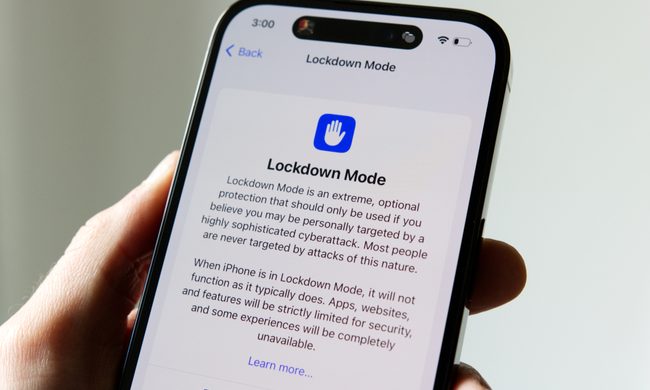
Apple says Lockdown Mode thwarted spyware attacks with a clean slate
Apple’s strongest defense is actually holding up
Lockdown Mode information page on an iPhone 14 Pro.

Apple says it has not seen a successful spyware attack on any iPhone with Lockdown Mode enabled, a claim it shared with TechCrunch.

Lockdown Mode arrived in 2022 as an opt-in feature for iPhone, iPad, and Mac. It was introduced as a stricter security mode for people at high risk of targeted attacks, such as journalists, activists, and government officials.

Read more
The Dynamic Island could shrink on the iPhone 18 series, and not just on the Pro models
One leaker, one claim, and a big question: is Apple genuinely ready to give every iPhone buyer the same design treatment as Pro owners this cycle?
Apple iPhone 17 Pro in Cosmic Orange leaning on a gray wall.

Apple’s Dynamic Island has been around long enough that most people have made their peace with it or forgotten it’s there. In fact, I’ve seen people associating the pill-shaped notch with newer iPhone models (released in the last 3 years). Now, a fresh leak suggests that the notch replacement is about to shrink, not just on the expensive models. 

What did the leaker actually say?

Read more
Apple Podcasts finally gets serious about video, adds multiple YouTube-inspired features
With offline downloads, Picture-in-Picture, and a dedicated video hub, iOS 26.4 turns Apple Podcasts into a platform creators can no longer afford to ignore.
Electronics, Phone, Mobile Phone

For years, the Apple Podcasts app supported video, at least it did technically, but nobody used it. Creators ignored it, while listeners forgot it. Meanwhile, other platforms like YouTube and Spotify quietly built empires on video podcasting. However, that changes with the iOS 26.4 update, or at least that is what Apple hopes for. 

Video podcasting exploded in popularity in recent years, with audiences gravitating toward platforms that treated the format well (as already mentioned above). Despite being an iPhone user, I personally consume podcasts on YouTube (I briefly paid for the Premium membership as well). 

Read more