  1. Home
  2. Phones
  3. Emerging Tech
  4. Mobile
  5. Smart Home
  6. News

Finally! The FCC is releasing telemarketers’ numbers to help you block them

Add as a preferred source on Google

With election season rolling around, it sometimes seems difficult to unite Americans around a single cause. But if hatred for telemarketers doesn’t cross party lines, I don’t know what does. And now, tapping into our collective disdain, annoyance, and all-around frustration with telemarketers, the Federal Communications Commission announced that after months of hemming and hawing, it is finally releasing “robocall and telemarketing consumer complaint data weekly to help developers build and improve “do-not-disturb” technologies that allow consumers to block or filter unwanted calls and texts.” Happy Friday, friends.

The decision comes as at least a symbolic reinforcement of the FCC’s goal to protect consumer privacy — for years, the federal government has been just as annoyed as you by unwanted callers whose incessant messages seem to always come at the least opportune times. Twelve years ago, in fact, the FCC created the Do Not Call Registry, which “is nationwide in scope, applies to all telemarketers (with the exception of certain nonprofit organizations), and covers both interstate and intrastate telemarketing calls.” But now, more than a decade and many technological innovations later, they’re going a step further.

Recommended Videos

Given the gradual extinction of the landline and the rise in popularity of iPhones and Androids, both of which have number blocking capabilities, the FCC hopes that its decision to release the numbers of these pesky telemarketers will allow you, the recipient of these calls, to block the numbers and prevent your phone from ever ringing. “Consumers want and deserve effective tools to empower them to choose the calls and texts they receive. This data will help improve do-not-disturb technologies so they can provide the best service for consumers,” said Alison Kutler, chief of the FCC’s Consumer and Governmental Affairs Bureau, which manages consumer complaints. “As we encourage providers to offer these services, and as the commission recently made clear that there are no legal barriers to doing so, we continue to look for ways to help facilitate important consumer tools.”

While the onus will remain on you to actually block these numbers, you now have the wherewithal to do so efficiently and effectively.

If you’d like access to this data, which will include both telemarketers’ originating phone numbers and automated robocalls, visit the FCC’s Consumer Help Center website.

Lulu Chang
Fascinated by the effects of technology on human interaction, Lulu believes that if her parents can use your new app…
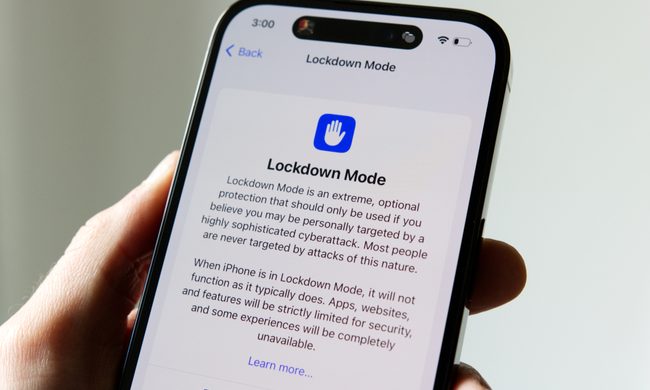
Apple says Lockdown Mode thwarted spyware attacks with a clean slate
Apple’s strongest defense is actually holding up
Lockdown Mode information page on an iPhone 14 Pro.

Apple says it has not seen a successful spyware attack on any iPhone with Lockdown Mode enabled, a claim it shared with TechCrunch.

Lockdown Mode arrived in 2022 as an opt-in feature for iPhone, iPad, and Mac. It was introduced as a stricter security mode for people at high risk of targeted attacks, such as journalists, activists, and government officials.

Read more
The Dynamic Island could shrink on the iPhone 18 series, and not just on the Pro models
One leaker, one claim, and a big question: is Apple genuinely ready to give every iPhone buyer the same design treatment as Pro owners this cycle?
Apple iPhone 17 Pro in Cosmic Orange leaning on a gray wall.

Apple’s Dynamic Island has been around long enough that most people have made their peace with it or forgotten it’s there. In fact, I’ve seen people associating the pill-shaped notch with newer iPhone models (released in the last 3 years). Now, a fresh leak suggests that the notch replacement is about to shrink, not just on the expensive models. 

What did the leaker actually say?

Read more
Apple Podcasts finally gets serious about video, adds multiple YouTube-inspired features
With offline downloads, Picture-in-Picture, and a dedicated video hub, iOS 26.4 turns Apple Podcasts into a platform creators can no longer afford to ignore.
Electronics, Phone, Mobile Phone

For years, the Apple Podcasts app supported video, at least it did technically, but nobody used it. Creators ignored it, while listeners forgot it. Meanwhile, other platforms like YouTube and Spotify quietly built empires on video podcasting. However, that changes with the iOS 26.4 update, or at least that is what Apple hopes for. 

Video podcasting exploded in popularity in recent years, with audiences gravitating toward platforms that treated the format well (as already mentioned above). Despite being an iPhone user, I personally consume podcasts on YouTube (I briefly paid for the Premium membership as well). 

Read more