
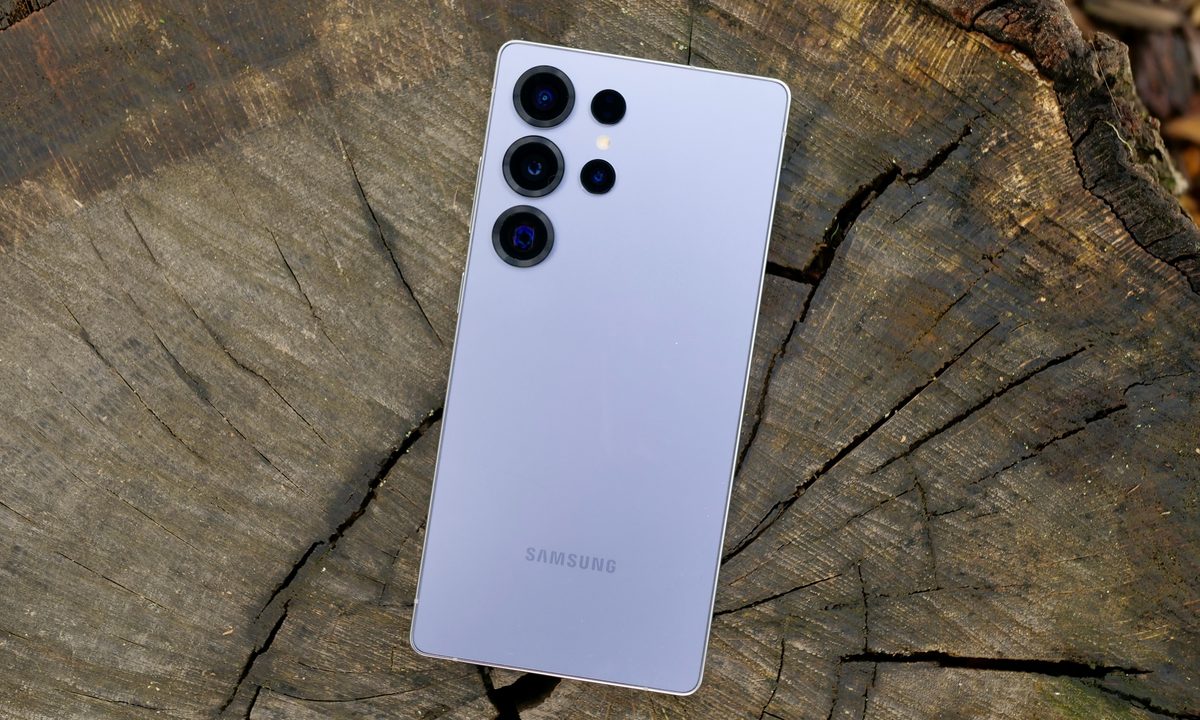
The year was 2020, the month was February and Samsung had just kicked off yet another smartphone generation. The Galaxy S20 Ultra brought a lot of new features to the market, but crucially, Samsung’s marketing also made long zoom features and Ultra branding extremely desirable.
One of the key reasons to buy the Galaxy S20 Ultra — and subsequent Ultra phones from Samsung — was the camera. It featured a 108MP main sensor, a 12MP ultrawide camera, and a 48MP periscope telephoto camera that offered 4x optical zoom and 10x hybrid zoom. The latter also enabled the new 100X Space Zoom feature, which Samsung still promotes on its Ultra phones today.
Fast forward five years, and while the lineup has changed, the premise is still the same. The Galaxy S25 Ultra offers a 200MP main sensor, a 50MP ultrawide sensor, and two periscope lenses, one at 10MP with 3x optical zoom and the other at 50MP with 5x optical zoom. Yet, Samsung faces a problem: its Ultra phones face huge competition from the competition and it may no longer have the best zoom camera in the US.
To find out if it’s still the best, I tested it against the main competition and it’s very close: here’s what happened and which phone wins.
How Samsung’s Galaxy S25 Ultra camera has evolved
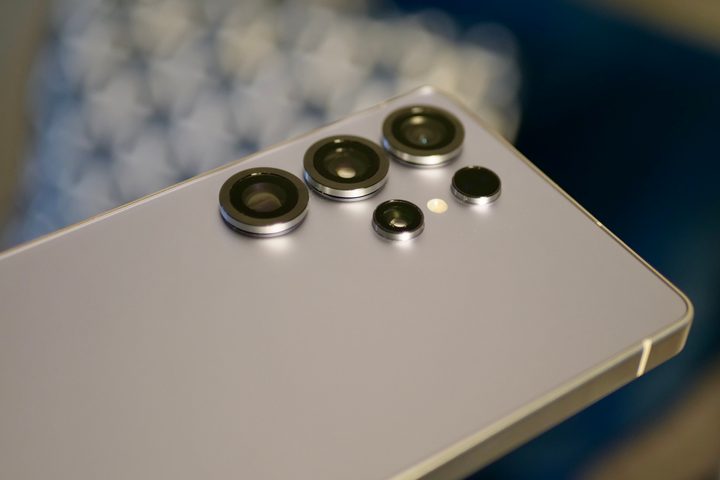
For a few years, Samsung faced no real competition in the US or most Western countries. As a result, the company was mostly able to refine its lineup at its own pace, without the added pressure of intense competition.
The Galaxy S20 Ultra introduced the Zoom race, whilst the Galaxy S21 Ultra saw Samsung adopt the quad-camera approach that it still uses today. It featured the same 108MP main camera, but introduced a 10MP telephoto lens with 3x optical zoom — still in use today — and a secondary 10MP periscope lens with 10x optical zoom.
The Galaxy S22 Ultra featured the same camera as the S21 Ultra, but with the Galaxy S23 Ultra, Samsung introduced a new 200MP main camera. This is the same one that’s found on the Galaxy S25 Ultra. Last year’s Galaxy S24 Ultra then saw Samsung tweak its approach to the zoom camera, by dropping the 10MP periscope lens with 10x optical zoom in favor of a 50MP periscope lens offering 5x optical zoom.
The Galaxy S25 Ultra keeps the same camera array as the Galaxy S24 Ultra but introduces a new 50MP ultrawide lens. However, the 3x and 5x telephoto lenses have proven to be fairly capable at low zoom lengths, but struggle to match another phone at the same 100x zoom length. The kicker for Samsung is that the other phone only has a single telephoto lens that only offers a 3x optical zoom.
How the competition has evolved
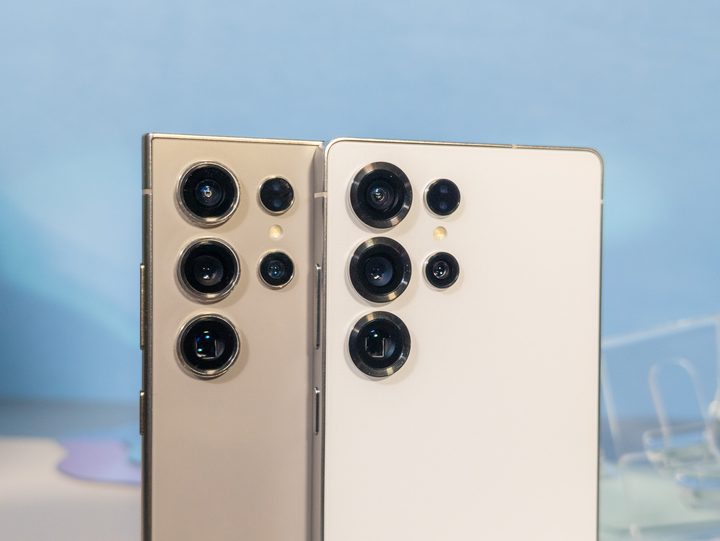
As Samsung has proven there is global demand for phones with strong zoom capabilities, the competition has taken notice. Apple, Google, and OnePlus have all considered Samsung’s success and sought out different approaches to the camera to achieve similar, or better, results than Samsung’s best phone.
Here’s how the Galaxy S25 Ultra camera compares to the key flagship from each phone:
| Galaxy S25 Ultra | OnePlus 13 | Pixel 9 Pro | Apple iPhone 16 Pro | |
| Main Camera | 200MP, f/1.7, 24mm 0.6µm, multi-directional PDAF, OIS |
50MP, f/1.6, 23mm 1.12µm, multi-directional PDAF, OIS |
50MP, f/1.7, 25mm 1.2µm, dual pixel PDAF, OIS |
48MP, f/1.8, 24mm 1.22µm, dual pixel PDAF, sensor-shift OIS |
| Ultrawide Camera | 50MP, f/1.9, 120° 0.7µm, Super steady Video, dual pixel PDAF |
50MP, f/2.0, 15mm, 120° 0.64µm, PDAF |
48MP, f/2.8, 123°, dual pixel PDAF | 48MP, f/2.2, 13mm 0.7mm, PDAF |
| Telephoto Camera | 10MP, f/2.4, 67mm Telephoto, 3x optical zoom 1.0µm, PDAF, OIS |
50MP, f/2.6, 73mm Periscope telephoto, 3x optical zoom 0.8µm, PDAF, OIS |
48MP, f/2.8, 113mm Periscope telephoto, 5x optical zoom dual pixel PDAF, OIS |
12MP, f/2.8, 120mm Periscope telephoto, 5x optical zoom dual pixel PDAF, sensor-shift OIS |
| Telephoto Camera 2 | 50MP, f/3.4, 111mm Periscope telephoto, 5x optical zoom 0.7µm, PDAF, OIS |
– | – | – |
| Selfie Camera | 10MP, f/2.4, 67mm Telephoto, 3x optical zoom 1.0µm, PDAF, OIS |
50MP, f/2.6, 73mm Periscope telephoto, 3x optical zoom 0.8µm, PDAF, OIS |
42MP, f/2.2, 17mm (ultrawide), PDAF | 12MP, f/1.9, 23mm PDAF, OIS |
Samsung remains the only company in the US to adopt two telephoto lenses, with the 3x telephoto matching the one on the OnePlus 13, while the 5x matches the same zoom capabilities found on the iPhone 16 Pro and Pixel 9 Pro.
However, as we’ll see, the adage continues to ring true: it’s not just the hardware that matters, but how each camera and ISP uses the hardware. Further complicating this is the use of AI in post-processing and how each company uses it to further enhance the final photo.
Testing the Galaxy S25 Ultra Zoom vs the US competition
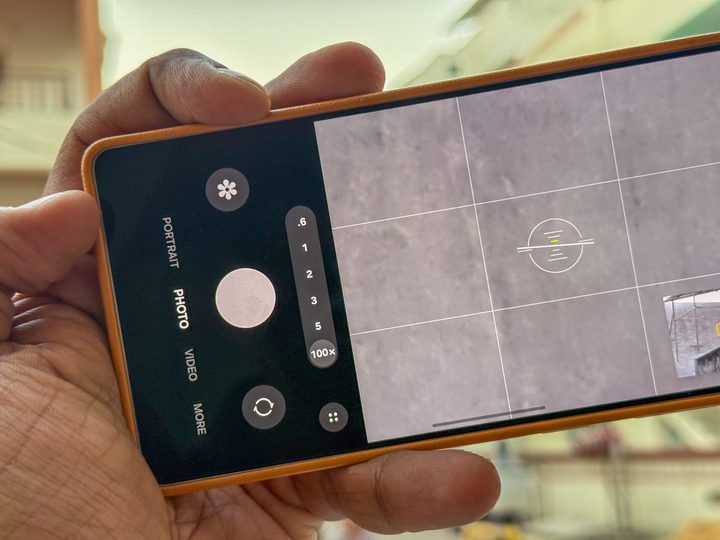
On paper, the Galaxy S25 Ultra should be the most capable zoom camera in the US, but as the headline suggests, this is no longer the case. I’ve been traveling with Samsung’s latest flagship for several weeks and have tested it against the key competition in the US during both day and night.
For each zoom length, I’ve picked two sets of daytime photos to evaluate the zoom. One of these focuses on the ability to zoom into text and finer details, while the other points to its ability to zoom into landscapes and other subjects. Each phone has plenty of zoom lengths, but for this comparison, I’ve focused on the key ones: 1x, 3x/5x depending on which each phone has, 10x and 25x or 30x.
What about the competition? First, let’s consider the Pixel 9 Pro. Google’s flagship offers a 5x zoom and a maximum of 30x zoom, so let’s look at each comparison. Here’s the first sample set.


- 1. Galaxy S25 Ultra 1x
- 2. Galaxy S25 Ultra 5x
- 3. Galaxy S25 Ultra 30x
- 4. Pixel 9 Pro 1x
- 5. Pixel 9 Pro 5x
- 6. Pixel 9 Pro 30x
Next, let’s look at the performance in the second scene.


- 1. Galaxy S25 Ultra 1x
- 2. Galaxy S25 Ultra 5x
- 3. Galaxy S25 Ultra 30x
- 4. Galaxy S25 Ultra 30x
- 5. Pixel 9 Pro 1x
- 6. Pixel 9 Pro 5x
- 7. Pixel 9 Pro 30x
- 8. Pixel 9 Pro 30x
The Pixel 9 Pro is fairly impressive in these two scenes, and I prefer it for the first two images in the first scene. However, once you get into the details, the Galaxy S25 Ultra beats it thanks to extra detail in the balcony railings, the cruise ship deck, and the sign on the cruise ship. It’s quite close, but the Galaxy S25 Ultra still wins this comparison.
Next, let’s look at the iPhone 16 Pro. Samsung’s flagship is billed as a competitor to the iPhone 16 Pro Max, which features the same camera as its smaller sibling. The iPhone 16 Pro also features the same 5x found on the iPhone 16 Pro Max, which was previously exclusive just to the Max lineup.
Here’s how the two compare.


- 1. Galaxy S25 Ultra 1x
- 2. Galaxy S25 Ultra 5x
- 3. Galaxy S25 Ultra 30x
- 4. iPhone 16 Pro 1x
- 5. iPhone 16 Pro 5x
- 6. iPhone 16 Pro 25x
Next, let’s look at the performance in the second scene.


- 1. Galaxy S25 Ultra 1x
- 2. Galaxy S25 Ultra 5x
- 3. Galaxy S25 Ultra 30x
- 4. Galaxy S25 Ultra 30x
- 5. iPhone 16 Pro 1x
- 6. iPhone 16 Pro 5x
- 7. iPhone 16 Pro 25x
- 8. iPhone 16 Pro 25x
The iPhone 16 Pro is limited to just 25x maximum zoom and these images show why Apple limits the maximum zoom on its phones. The Galaxy S25 Ultra wins, but like the Pixel 9 Pro, I think both phones are quite similar at the lowest zoom lengths.
If we were to stop this comparison right now, Samsung would probably still rein supreme, but there’s one device remaining. On paper, the OnePlus 13 shouldn’t be able to compete with the Galaxy S25 Ultra given its telephoto lens only has a 3x optical zoom and it lacks the 6x found on its non-US sibling, the Find X8 Pro. It does still feature a 6x option that’s billed as a hybrid between digital and optical zoom, so I’ve included this in the test as a comparison against the 5x on the Galaxy S25 Ultra.


- 1. Galaxy S25 Ultra 1x
- 2. Galaxy S25 Ultra 3x
- 3. Galaxy S25 Ultra 5x
- 4. Galaxy S25 Ultra 30x
- 5. OnePlus 13 1x
- 6. OnePlus 13 3x
- 7. OnePlus 13 6x
- 8. OnePlus 13 30x
Next, let’s look at the performance in the second scene.


- 1. Galaxy S25 Ultra 1x
- 2. Galaxy S25 Ultra 3x
- 3. Galaxy S25 Ultra 5x
- 4. Galaxy S25 Ultra 30x
- 5. OnePlus 13 1x
- 6. OnePlus 13 3x
- 7. OnePlus 13 6x
- 8. OnePlus 13 30x
Both phones are evenly matched throughout these comparisons, and it’s quite surprising that the OnePlus 13 can match the Galaxy S25 Ultra despite the lack of a fourth camera, and the smaller 3x optical zoom. At 30x zoom, the Galaxy S25 Ultra is just slightly better, but overall, they feel equally matched.
Unlike the iPhone 16 Pro and Pixel 9 Pro, the OnePlus 13 also goes further than 30x and this is where I’ve been blown away. From the same sets above, here are the same shots at 100x on the Galaxy S25 Ultra, and the maximum 120x on the OnePlus 13.


- 1. Galaxy S25 Ultra 100x
- 2. OnePlus 13 120x
- 3. Galaxy S25 Ultra 100x
- 4. OnePlus 13 120x
As you can see, the OnePlus 13 picks up where Google left off and proves that you don’t necessarily need the best hardware to capture the best photos. Despite inferior zoom capabilities — on paper, at least — it has the best zoom of any of these phones I’ve tested. In particular, the AI does an excellent job of filling in missing details and throughout all my testing, it’s consistently proven to be better than the Galaxy S25 Ultra at the higher zoom lengths.
Does the same apply to video recording?

The iPhone is well-known for its video recording capabilities, but one of the new touted features for the Galaxy S25 Ultra is super smooth video zoom. In particular, this is a smooth transition between the different lenses when recording video, versus a choppy transition between lenses as has been common for many years.
Does the Galaxy S25 Ultra deliver on both of these fronts? How does it compare to the competition? Let’s take a quick look, starting with the Galaxy S25 Ultra:
What about the iPhone 16 Pro?
Now, here’s the Pixel 9 Pro:
Lastly, here’s the OnePlus 13:
The smooth transition between lenses and improved video recording on the Galaxy S25 Ultra has improved Samsung’s overall performance in video recording. For zoom, the Galaxy S25 Ultra delivers strong performance — at least in the daylight — that’s on par with the iPhone 16 Pro, although Samsung has better overall quality given the stronger zoom performance. The Pixel 9 Pro comes close, and the OnePlus 13 is shakier, with less overall quality.
This phone has taken Samsung’s Zoom crown in the US
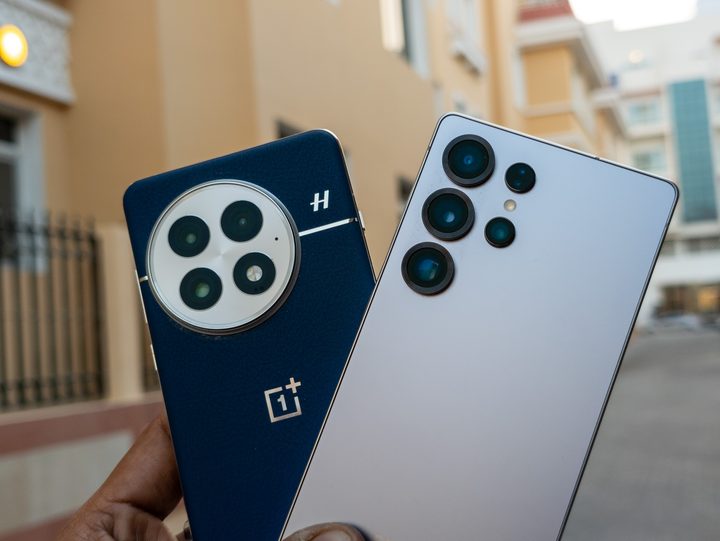
The appeal of the Galaxy S25 Ultra and the iPhone 16 Pro is that both remain widely available in most markets. In contrast, Pixel 9 Pro availability is more limited, and the OnePlus 13 is even more limited. Yet, if you live in the US, these four devices are your top choice when looking for the best smartphone camera, and there’s no contest for me. I’ve been blown away by the performance of the OnePlus 13 camera, so much so that it’s replaced the Galaxy S25 Ultra as my camera of choice.
Of course, as we covered in our Galaxy S25 Ultra review, Samsung’s latest flagship has further benefits such as the S-Pen, a better portrait mode than any other phone, and outstanding performance and battery life. All of these are worthwhile benefits — some of which are also matched by the OnePlus 13 — but if you want the best zoom camera and you live in the US, there’s no contest: the OnePlus 13 has taken Samsung’s zoom crown in the US and is a strong contender for best phone of 2025.


