  1. Home
  2. Phones
  3. Android
  4. Mobile
  5. News

Google just changed Android 15 and it might kill off some phones

Add as a preferred source on Google
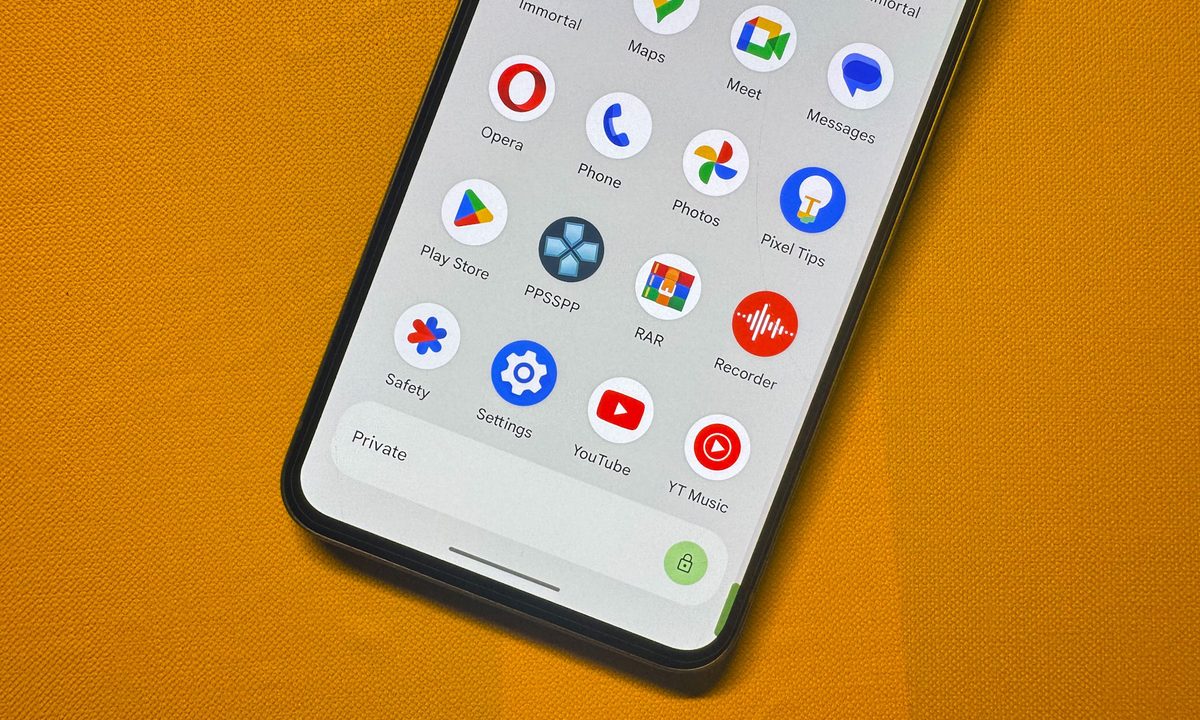
Private Space option in app library of Android 15.
Private Space is one of the best features on Android 15. Nadeem Sarwar / Digital Trends

Google just made an announcement that could represent the death of a lot of Android phones.

Starting with Android 15, Google says, the minimum storage capacity of devices will jump up – leaving some devices obsolete.

Recommended Videos

The new requirement will mean phones, and tablets, will need at least 32GB of capacity in order to run the Android OS.

In reality it will need to be even more, since 75% of that 32GB must be allocated to the data partition.

Add to that the fact that Android 15 is going to take up close to a full 16GB and it makes sense that Google has moved the minimum requirement up to this new threshold.

While Google has worked to keep its mobile OS as minimal as possible, it has grown to a size that means there will be little space left for apps or anything else on a device with a minimal 16GB capacity.

This means that the more affordable end of the Android smartphone market will no longer be able to make savings by offering smaller capacity devices.

The rate of growth is pretty fast when you consider that Android 13, released in 2022, required the minimum jump up from 8GB to 16GB. Now, just a few years on, that has doubled in size.

Can Google enforce the new capacity?

Technically Google can’t force manufacturers to not produce phones with smaller capacities as long as they’re using the open source version of Android (AOSP).

What Google can do, is enforce this rule on companies that want to ship phones with its Google Mobile Service(GMS) as part of the package. In order to get a GMS license the device has to meet some minimum requirements from the guidelines, including that new capacity of 32GB storage minimum.

While that might seem like something that could be circumvented, by not have a GMS license the device will not be able to access core Google services like the Google Play Store or Google Play Services.

On the plus side

This can be a good thing as it means budget phones will offer a better user experience, with smoother running.

It should also mean a greater capacity for apps and games on devices, which is never a bad thing.

Luke Edwards
Luke has over two decades of experience covering tech, science and health. Among many others, Luke writes about health tech…
Google’s new desktop mode makes one thing clear: Samsung DeX was onto something
Android 16 finally brings a real desktop mode to Pixel phones, but Google’s long-awaited move mostly proves Samsung spent years getting the hard parts right
File, Webpage, Person

I’ve been waiting for Android to take desktop mode seriously for years. Back in 2019, I bought a OnePlus 7 Pro and wasted an embarrassing amount of time trying to brute-force its half-baked desktop mode into something useful.

The idea made perfect sense to me even then. Phones were already absurdly powerful, and the thought of carrying one real computer in my pocket felt less like science fiction and more like delayed common sense.

Read more
The MacBook Neo made me realize Apple still doesn’t know how to do a truly great cheap iPhone
MacBook Neo gave me an iPhone 17e epiphany
iPhone 17e rear camera.

Apple’s main business still revolves around the iPhone, with roughly half of the revenue being brought in by these devices. But this is why it feels so strange that the company managed to build a better entry-level Apple laptop than an entry-level iPhone.

The MacBook Neo starts at $599 in the US, with buyers getting a full aluminum build, a 13-inch hi-res Liquid Retina display, Apple silicon, and all-day battery life. Apple is clear about what it has built. This isn't a Pro machine with the powerful M series processors. But despite the various cutbacks in hardware, it still feels like a complete product.

Read more
You can’t buy the Galaxy Z TriFold anymore: It’s officially sold out
With a 10-inch display and a lifespan shorter than most gym memberships, the TriFold is already the stuff of tech legend.
Samsung Galaxy TriFold folding, TriFold Phone

Samsung has quietly updated the Galaxy Z TriFold’s product page with a message: the company’s first tri-folding phone is now completely sold out with no restock in sight. If you were hoping to get one sometime in the future, perhaps when the phone goes on sale, it’s time to let go. 

“The limited-run Galaxy Z TriFold is now completely sold out,” an updated message on the Galaxy Z TriFold’s landing page says. The message also asks people to keep visiting Samsung’s website for “one-of-a-kind innovations” and shop for other foldables or mobile devices. 

Read more