
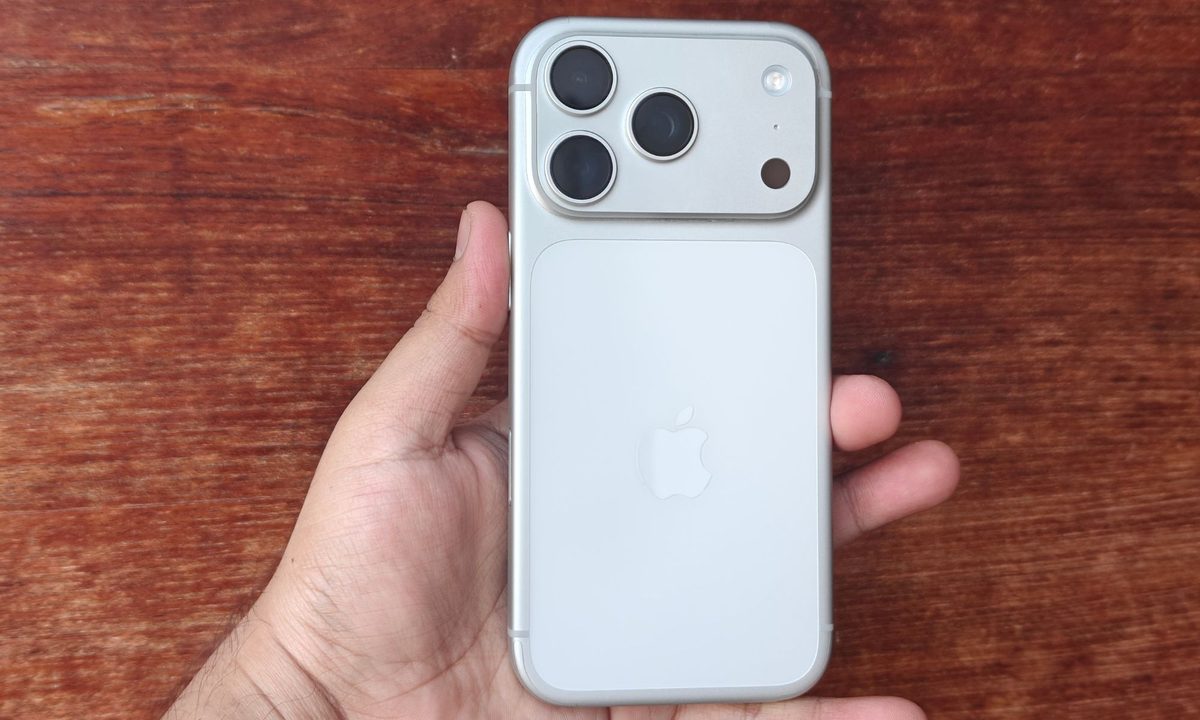
The year 2025 marked the first time that Apple raised the asking price of its flagship smartphone. The $999 norm that began with the iPhone X back in 2017 was finally set aside, and $1,099 has become the standard entry point for the “Pro” models.
Expectedly, Apple made some big changes. A fresh design, beefier cameras, a next-gen processor, and faster charging in tow. In a nutshell, Apple took a more holistic approach with the upgrades this time around than I’ve seen in nearly half a decade.
Unsurprisingly, the iPhone 17 Pro — draped in blue and orange shades — has surprised me in all the key areas. The cameras’ output is reliable, performance is top-notch, and the display is gorgeous, as well. But what truly won me over are the small, but meaningful, perks that one grows to love as time passes by.
A qualitatively better display
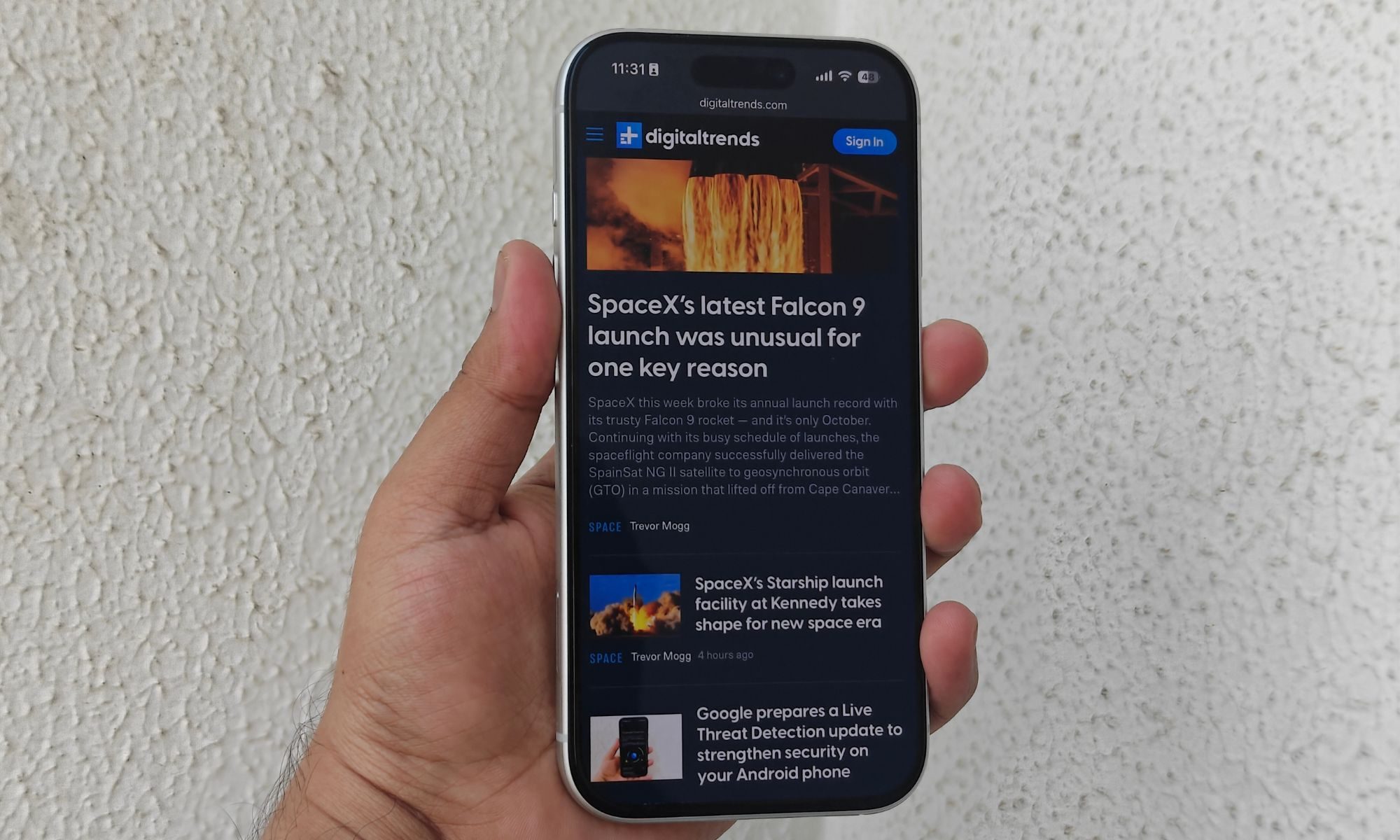
At first glance, you might think that nothing has changed. But there are a few changes that I instantly noticed. I don’t like to put a case on my phones, nor do I slap a screen protector on top of my phones. As a result of this risky habit, I have managed to scratch the screen of every iPhone I have bought in the past six years. On occasions, I am left wondering how it happened in the first week itself, despite all the tall claims about the resilience of the Ceramic shield layer.
Thankfully, the iPhone 17 Pro has fared much better. So far, I haven’t nicked a corner or seen any gashes on the phone’s screen, despite my jeans pocket always brimming with a variety of items, from keys and gums to cables and cards. Apple says the new Ceramic Shield 2 is thrice as resilient against scratches. I can’t scientifically validate that, but so far, it has stood the test of time.
Another notable change is the 50% jump in peak brightness, which tags along nicely with a special coating that reduces reflections. I first experienced the reduced glare on Samsung’s Galaxy S25 Ultra, and it was pretty neat to witness. On the iPhone 17 Pro, it does the job well.

Compared to the iPhone 16 Pro, I have noticed less glare, especially from the artificial light sources indoors. This enhances the content legibility, especially when the phone is being used at lower brightness levels. I use my phone as a reference display to keep an eye on Teams chats and feed updates, so it’s a sight of relief that I don’t have to struggle with angle adjustments.
The outdoor brightness now reaches 3,000 nits, and the contrast levels have also gone up. Using the phone for navigation while outdoors, checking the social feed inside a train, or sitting in a well-lit area is noticeably more comfortable. Overall, the iPhone 17 Pro’s display has emerged as my favorite generation-over-generation step-up.
It runs cooler, and smoother
Ever since Apple switched to a Titanium chassis on the iPhone 15 Pro, I’ve had a love-hate relationship with it. On one hand, the brushed metal looks were appealing, but these premium phones also struggled with heat dissipation. The iPhone 16 Pro fared particularly worse. Social forums are brimming with such complaints, and the complaints keep pouring in from the existing user base.
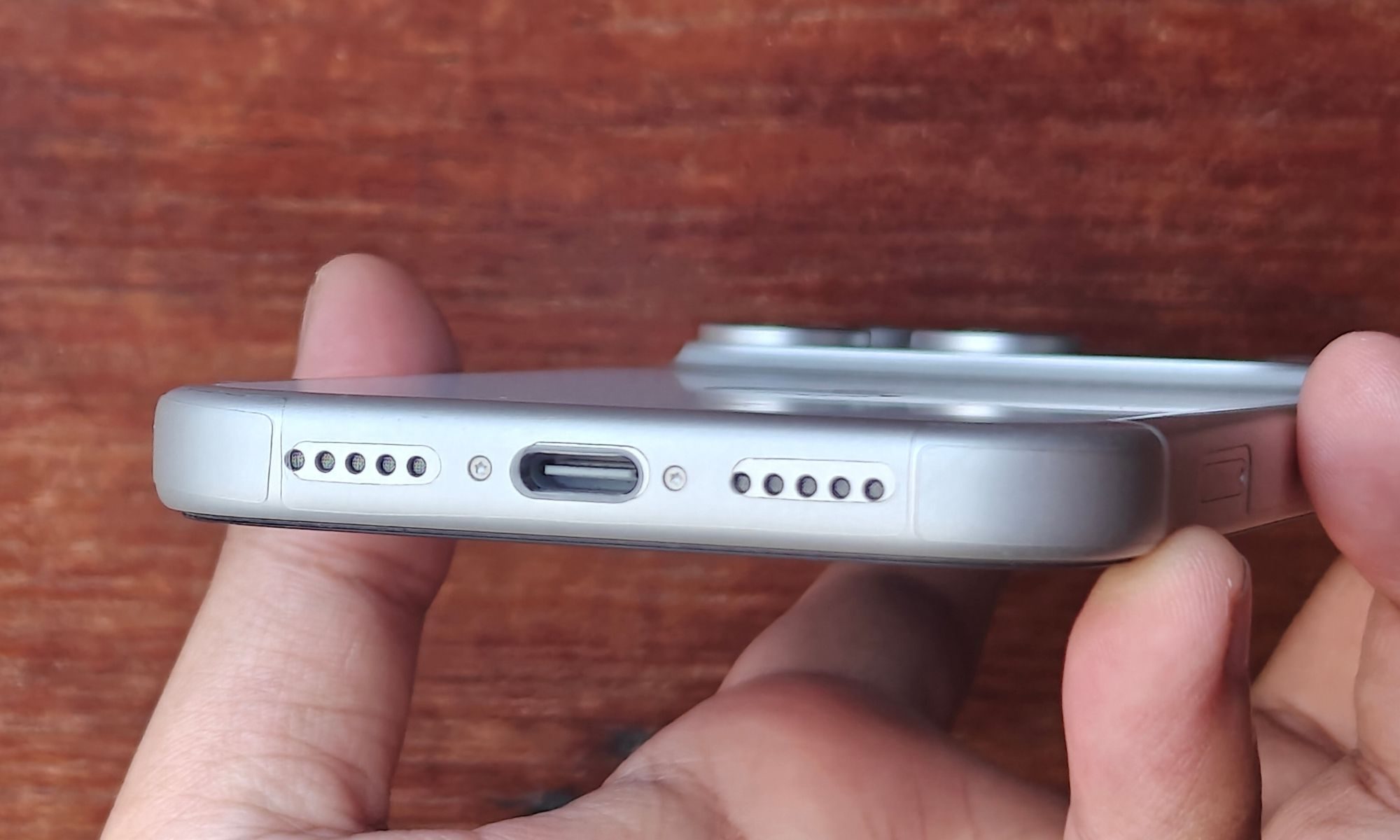
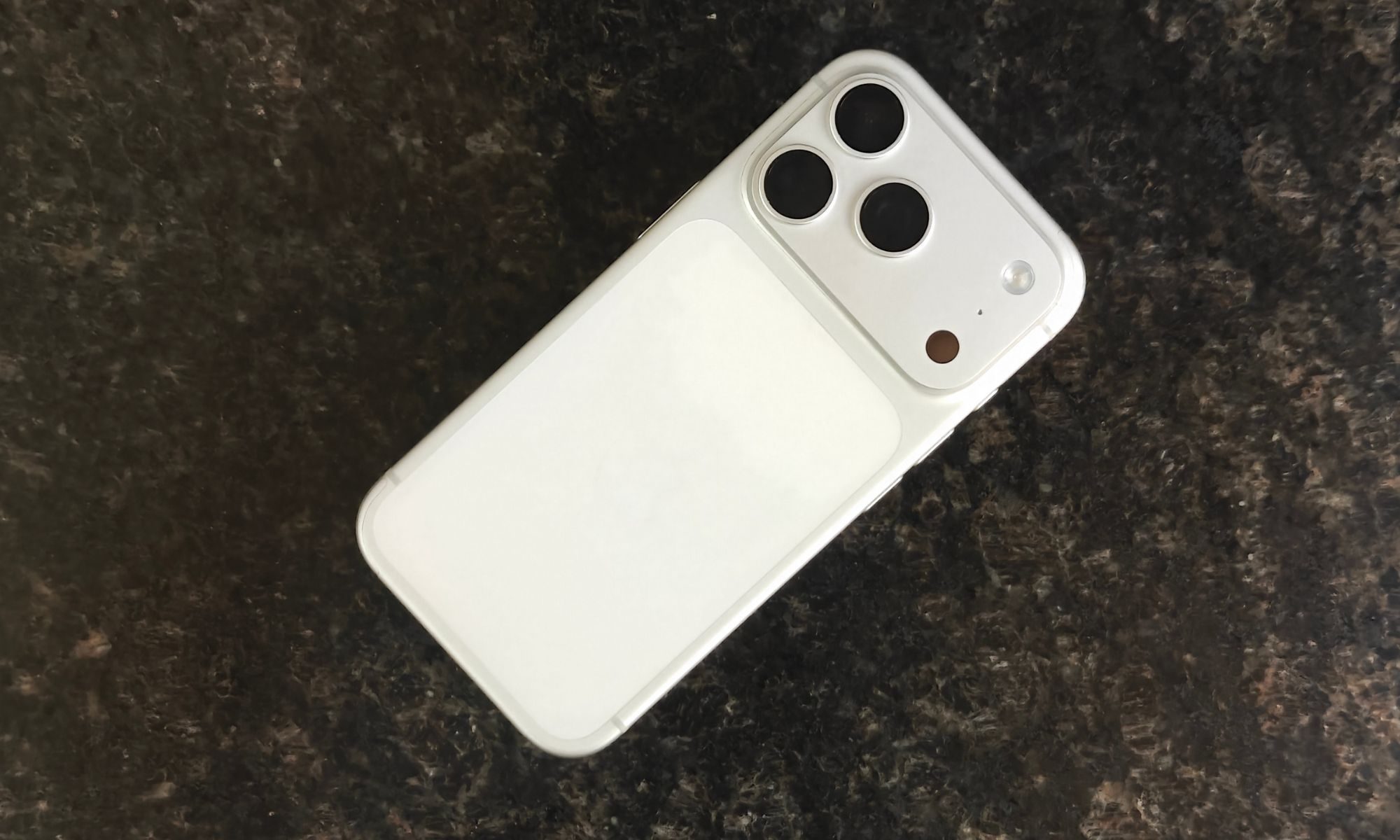
Thankfully, Apple made a course correction and embraced a unibody aluminum design that also throws a laser-welded vapor chamber cooling system into the mix. The results speak for themselves. The iPhone 17 Pro not only runs cooler at video capture, but also at games and charging sessions, too.
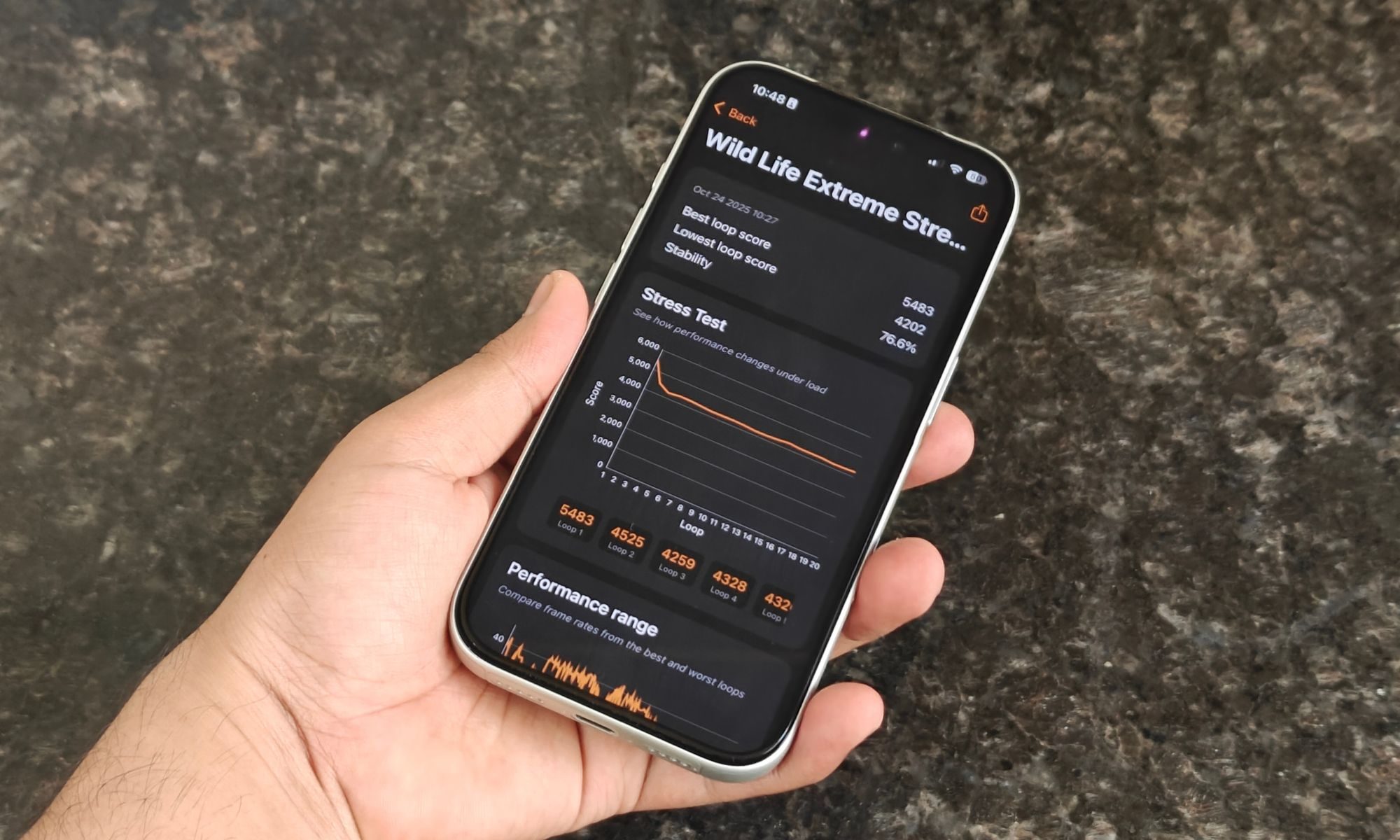
To confirm whether the iPhone 17 Pro can maintain sustained peak performance without thermal throttling, I pushed it through ray-traced and non-ray-traced stress tests on 3DMark. Thanks to the improved cooling system, the phone delivered a higher stability on the 3DMark Wild Life Extreme Stress run than its predecessor, and averaged roughly 35-40% better than the stability output on the Galaxy S25 Ultra with Qualcomm’s Snapdragon 8 Elite chip inside.
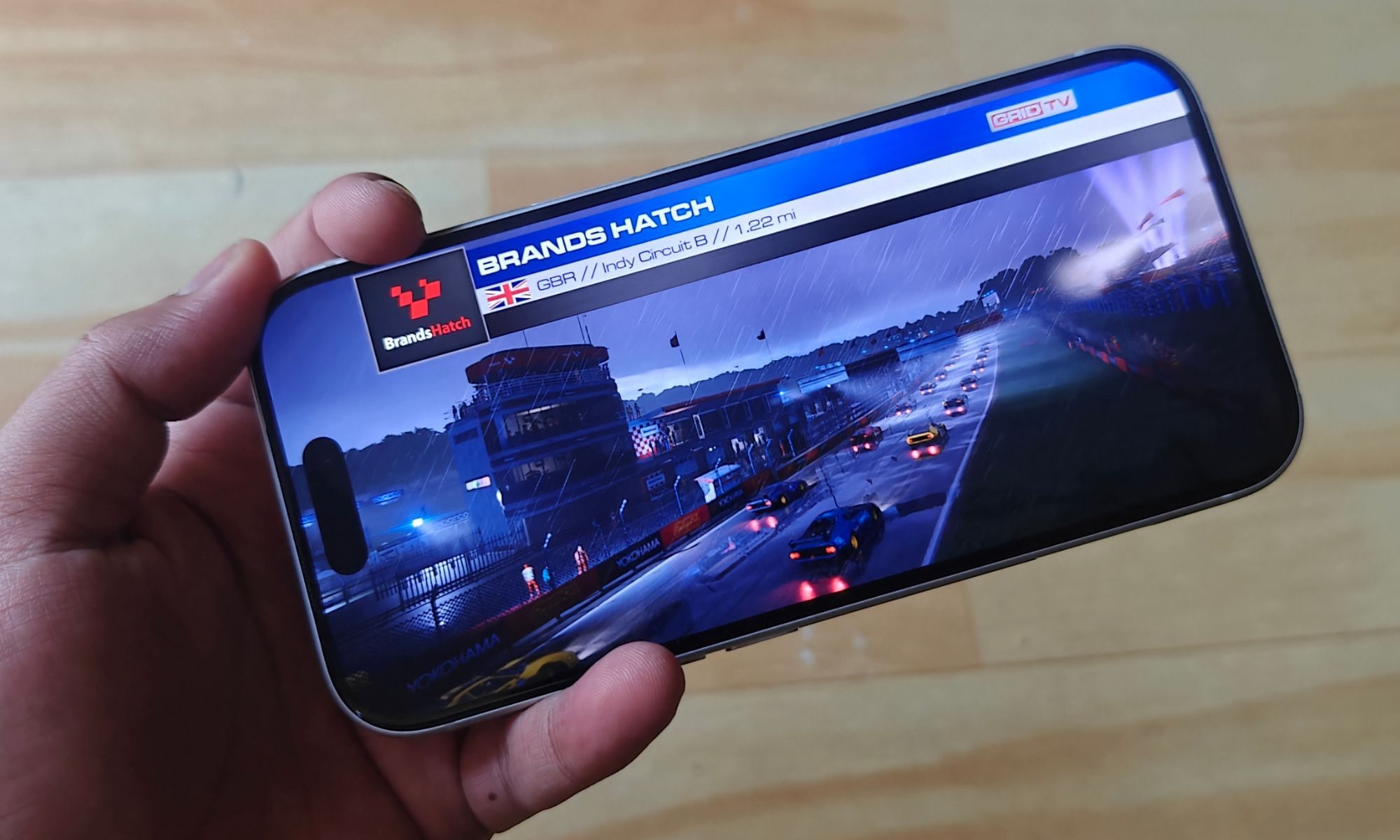
Moving over to ray-traced graphics tests, the iPhone 17 Pro delivered a big 45-50% jump in stability over its predecessor while running cooler. This reflects in real-life scenarios, as well. I pushed two fairly demanding games — Grid Legends and Genshin Impact — on the phone.
Both games play out smoothly at the best graphics settings, but compared to the iPhone 16 Pro, the temperature was always 4-6 degrees lower. Additionally, the iPhone 17 Pro cools noticeably faster, thanks to aluminum’s improved heat dissipation and the benefit of the vapor chamber cooling system. Even during intense combats, you are unlikely to notice any worrying frame dips. After sessions lasting between 40-60 minutes, the phone’s temperature never crossed the 100 degrees Fahrenheit mark.
Of course, you’re buying an iPhone 17 Pro to capture pictures and videos. While recording a ProRes video with an external SSD attached, I didn’t run into any temperature warnings that required a cooldown and aggressive dimming of the display panel. In the past two generations of “Pro” iPhones, the frame and the rear shell got uncomfortably warm during such scenarios.
I also noticed that the phone doesn’t heat up during wireless charging. Ever since I’ve had my hands on the phone, I’ve almost exclusively charged it atop a wireless stand, and it has fared much better at handling the excess heat generated during the process than its iPhone 16 and 15 series counterparts. Overall, it’s a smooth performer without any worrisome thermal stutters.
A sum of smaller perks
The iPhone 17 Pro is the first normal-sized phone I’ve used in a while that didn’t push me to enable the power saving mode at the end of each working day. Apple says it lasts longer, without specifying the capacity of the battery pack. That doesn’t bother me, because I’m happy with the mileage.
I have pushed the Google Pixel 10 Pro and the Galaxy S25 earlier this year, and neither phone can go beyond a day without making compromises. With the iPhone 17 Pro, I could confidently leave home without a power bank, and still return with roughly 15-20% juice left in the tank, despite hours of music streaming over Bluetooth.
Another much-needed perk is the bump in charging speeds. The iPhone 17 Pro can fill an empty tank up to the halfway mark in just 22 minutes, while a full charge took nearly 54 minutes. It’s not the fastest, but it’s still a decent improvement and the highest Apple has gone so far.
The new selfie camera boosts the resolution to 18 megapixels and throws the Center Stage tech into the mix. But it’s really the square format sensor that takes the honors. You see, it can automatically shift the orientation without having to physically go from portrait to landscape (or vice versa) for clicking group pictures.
The automatic aspect ratio adjustment is definitely handy, especially with its frame adjustment facility. Talking about photos, the corresponding storage situation has also improved. Apple’s approach to the memory situation has been historically stingy, but on the iPhone 17 Pro, it has finally jumped up to 256GB on the base model, which is quite a sigh of relief.
Overall, the iPhone 17 Pro has managed to fix a few nagging papercuts and delivers an all-inclusive package that is well worth its premium shelf position. Apple hasn’t made so many cumulative improvements on a single iPhone generation in a long time, and I’m glad to see the company finally acting more generously, especially with that $100 price hike greeting shoppers this year.


