  1. Home
  2. Phones
  3. News

iOS 26.3 introduces new tool to simplify your switch from iPhone to Android

Switching ecosystems just got a whole lot easier.

Add as a preferred source on Google
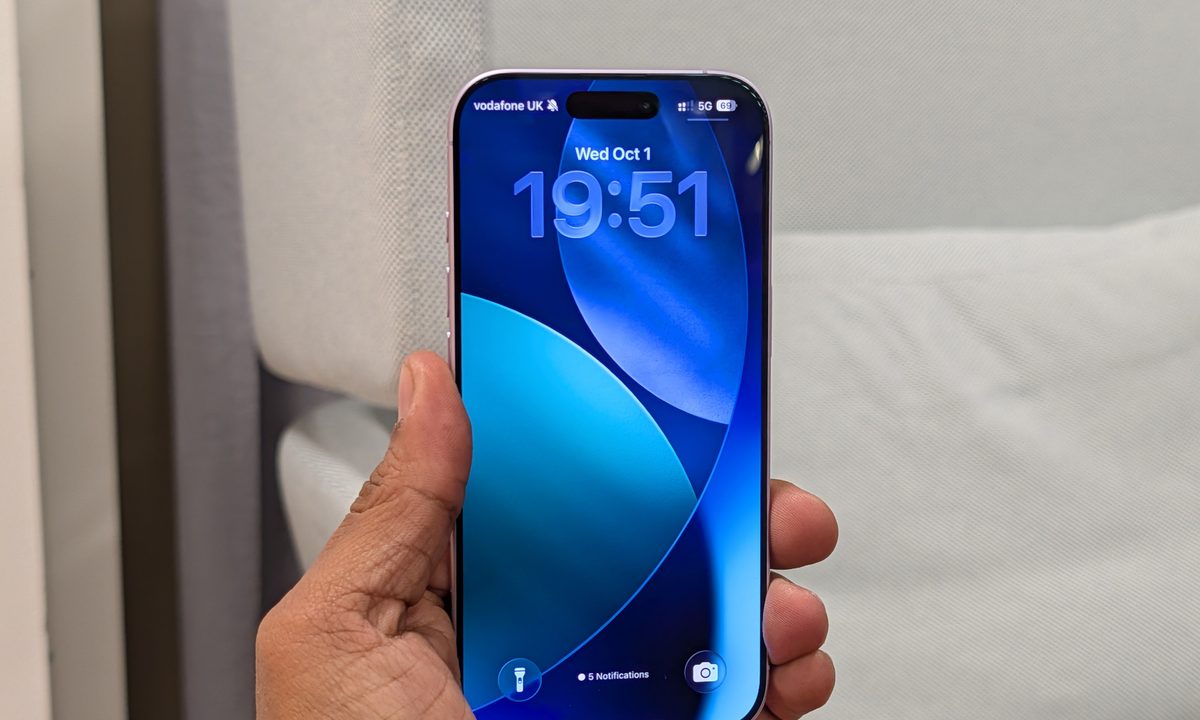
Apple iPhone 17 in Lavender Purple
Nirave Gondhia / Digital Trends

Apple’s latest iOS 26 update introduces a handy new tool for anyone considering a switch from iPhone to Android. First spotted in a beta release last year, the feature lets users easily migrate data like messages, notes, photos, and contacts in just a few steps.

Previously, transferring data from an iPhone to an Android device required users to install Google’s Android Switch app. The new built-in tool makes the process far more seamless. Users only need to place their devices next to each other to get started. To connect them, they can either scan a QR code displayed on the Android phone using their iPhone or enter a session ID and pairing code.

Recommended Videos

Once connected, users can choose which data to migrate, including photos, messages, notes, apps, passwords, contacts, and more, and initiate the transfer. While easy to use and better than the app-based method, the tool does have some limitations. It does not transfer users’ health data, paired Bluetooth devices, and protected items such as locked notes. Both devices must also be running the latest software builds with Wi-Fi and Bluetooth enabled.

Breaking down ecosystem walls

The transfer tool is the result of a collaboration between Apple and Google to simplify data transfers for users switching between their ecosystems. Google has implemented a similar feature in Android, making it easier for users moving in the opposite direction to transfer their data to an iPhone.

The move is notable given how tightly Apple has historically guarded its ecosystem. Data portability has often been a point of friction for users considering switching platforms, with complicated transfer processes and cancerns about data loss acting as deterrents. It remains to be seen whether the simplified process will encourage more users to switch platforms.

Pranob Mehrotra
Pranob is a seasoned tech journalist with over eight years of experience covering consumer technology. His work has been…
Apple Podcasts finally gets serious about video, adds multiple YouTube-inspired features
With offline downloads, Picture-in-Picture, and a dedicated video hub, iOS 26.4 turns Apple Podcasts into a platform creators can no longer afford to ignore.
Electronics, Phone, Mobile Phone

For years, the Apple Podcasts app supported video, at least it did technically, but nobody used it. Creators ignored it, while listeners forgot it. Meanwhile, other platforms like YouTube and Spotify quietly built empires on video podcasting. However, that changes with the iOS 26.4 update, or at least that is what Apple hopes for. 

Video podcasting exploded in popularity in recent years, with audiences gravitating toward platforms that treated the format well (as already mentioned above). Despite being an iPhone user, I personally consume podcasts on YouTube (I briefly paid for the Premium membership as well). 

Read more
Instagram could soon let you watch Reels while offline with automatic downloads
A new leak suggests Instagram is working on automatic downloads for Reels, which could let you continue your binge even without an internet connection.
Instagram and YouTube

Instagram could soon let users continue their Reels binge even when they're offline. A new leak suggests the app is working on automatic downloads for short-form videos, a move that would bring it closer to YouTube, which already allows offline viewing of Shorts.

What is Instagram working on?

Read more
Android 17 will let apps get the best out of your phone’s camera chops
A new vendor-defined extension system could bring advanced camera features like Super Resolution to your favorite third-party apps.
Android 17 logo.

Android 17 is shaping up to be quite an important update, especially if you care about camera quality across apps. Google is introducing a new way for phone makers to extend their custom camera features system-wide, which could finally close the gap between stock camera apps and third-party ones.

How is Android changing camera access for apps?

Read more