
As an Android user, I’ll be the first to say it: The Apple iPhone 13 Pro’s 120Hz refresh rate finally makes it a compelling, competitive option with Samsung’s Galaxy S21 line. While Samsung and other Android manufacturers have long supported higher refresh rates on their devices, Apple has been relatively late to the party. with the 10.5-inch and 12.9-inch iPad Pros being the first to incorporate ProMotion in 2017. Four years later, the technology still hadn’t come to any of the iPhone 12 models, not even the Pro versions.
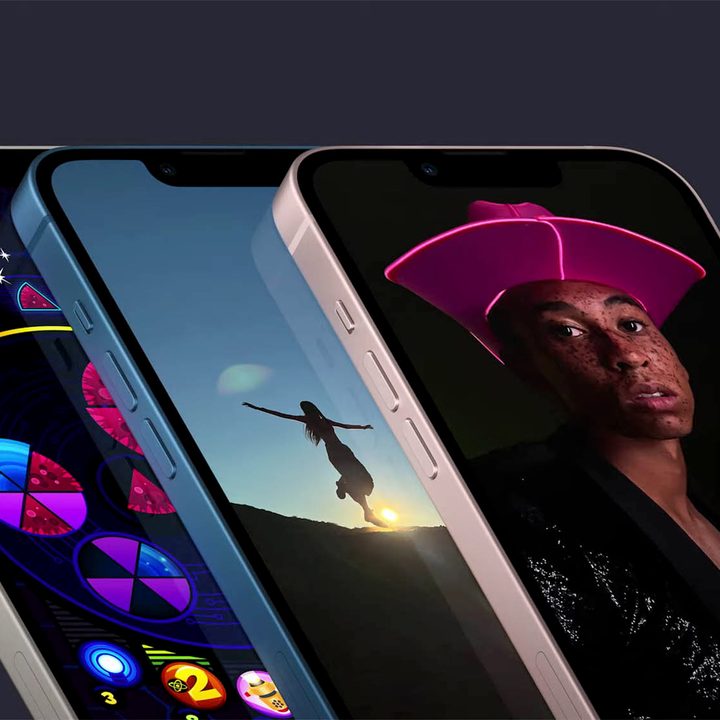
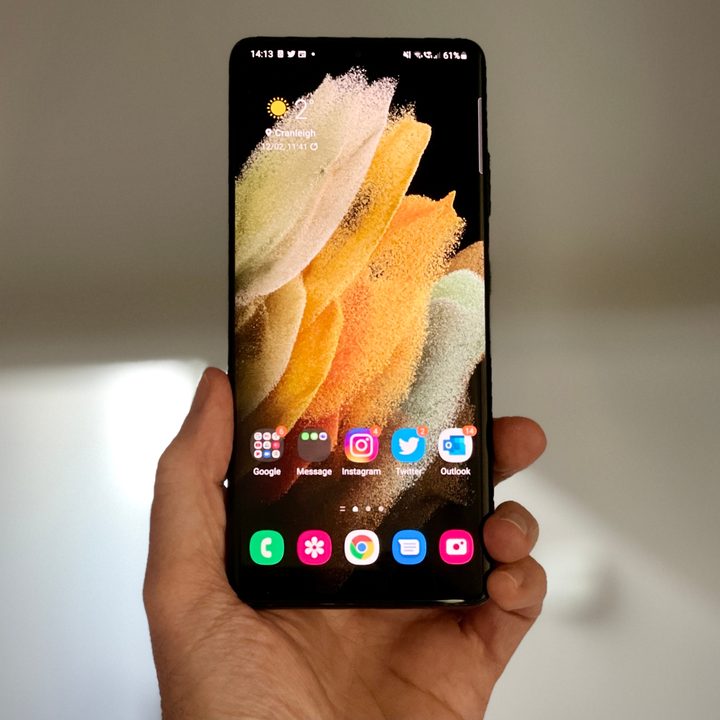
With the recent announcements of the iPhone 13, that’s all changed. The iPhone 13 Pro and iPhone 13 Pro Max both support ProMotion and come packed with the A15 Bionic processor. That processor, combined with the refresh rate, are enough to put the new models on par with one of the best phones we’ve reviewed, the Samsung S21 Ultra 5G, which is also my current personal device.
Why you should care about refresh rates
Let’s backtrack a little here and talk about refresh rates. For those who are unaware, a refresh rate pertains to how fast the phone screen pixels refresh. They come in a plethora of different angles, including but not limited to 30Hz, 60Hz, 90Hz, 120Hz, 144Hz, and even 240Hz. On phones and most monitors and TVs, you’re going to get 60Hz. Gamers will be familiar with high refresh monitors optimized for smoother responsiveness in first-person shooters and other games. Typically, you’re not going to see a large difference in refresh rate between 60Hz and 90Hz. But once you get into the triple digits in terms of refresh rate spectrums, the difference is very noticeable, especially since the refresh rate means the phone will go by pixel line to do said refreshing.
Most users won’t think about the refresh rate so long as they can scroll through their social media feeds and watch the latest TikTok videos. However, most video content plays at around 24 frames per second (unless you’re Peter Jackson, who famously used 48 fps for some theatrical releases of the Hobbit films). What a refresh rate does is it goes in and will adjust accordingly so you have a smoother playback experience. And because it’s 120Hz, this goes across the entire board, from gaming to your YouTube videos to scrolling through Facebook feeds. Playing everything from Stardew Valley to watching videos is a delight on my phone, and it’s easy for me to tell the difference now between my 120Hz phone and a sluggish-feeling 60Hz panel. Once you go high refresh, you really can’t go back.
That’s not to say that it doesn’t come with higher costs. With higher refresh rates, the brunt of the refreshing gets shoved onto the phone’s processor, making it work harder to handle this adaptive technology. As a result, the processors suck up more juice.
Balancing refresh rate and battery life is a huge win for performance
Apple’s iPhone13 Pro and Pro Max take into account the higher refresh rate by using low-temperature polycrystalline oxide (LTPO) technology for the panel, which you’ll also find on the Apple Watch Series 4 and above, as well as other high-end phones like the aforementioned S21 series and OnePlus 9 Pro. One of the major selling points of this technology is that it allows you to dynamically vary refresh rates based on what you’re doing. For instance, basic web browsing can be handled at an undemanding 10Hz to 60Hz, while gaming can take advantage of the full of 120Hz. The Apple Watch can even hit a low of 1Hz with the always-on screen.
This is only part of the puzzle, as the A15 Bionic chipset consistently shows superior test results to the S21 Ultra’s Qualcomm Snapdragon 888 chipset. Power is important, not just for multitasking and games, but for handling the variations of the 120Hz panel. You need both to work together to create a seamlessly smooth experience.
All this pays off with the iPhone 13 Pro. In comparison to its predecessor, you can expect up to 1.5 hours more screen time with the iPhone 13 Pro, which may not seem like a lot, but realistically that is a massive amount, especially taking into consideration that Apple has stated that users can expect up to 28 hours of video playback on the phone. That’s a pretty impressive runtime, though we’ll need to test the phone to see how it’ll perform in actual day-to-day use, especially for power users.
A Pro worth buying
Apple expected to shatter sales records with the release of its iPhone 13 line and, for the first time, I’m considering being one of the buyers. For years, the high refresh screen was the big, visible gap between the iPhone and rival Android devices. While things like software and camera come down to individual preference for the average user, a 120Hz screen is always noticeable, and it’s the one thing that Android users could typically point to as an objective shortfall for the iPhone. That isn’t the case anymore, and I suspect it’s going to show in sales, at least for the iPhone 13 Pro and Pro Max series.
It may also be in your best interest to pre-order sooner rather than later since there are some early reports of iPhone 13 Pro deliveries being pushed back into October.


