
The iPhone 13 is here, after officially being revealed at Apple’s California Streaming event on September 14. But while it came with a plethora of updates and upgrades, from a better chip and improved cameras to a narrow, less visible notch, there was one thing missing from the slick presentation: USB-C.
The iPhone 13 will be sticking with Lightning, just as its predecessors have done for almost a decade. Even the new iPad Mini now comes with a reversible USB-C slot, leaving the iPhone as one of Apple’s only major mobile products not to sport the port.
Sure, Apple CEO Tim Cook revealing a USB-C iPhone was always going to be a long shot, but I’m still a little disappointed the next Apple phone won’t be joining the club. But there are reasons why we are still waiting — and reasons to be hopeful for the future.
The customer is king

Like a stubborn mule, Apple is slow to change. Often that’s because it wants to wait until it can get the tech absolutely perfect before release. Unlike some of its rivals who throw just about anything to the wind and see where it flies, launching folding phones that crack after minimal use or laptops that have to be recalled due to defects, Apple knows its size and power affords it some more breathing room.
Other times, Apple is slow because it is wary that moving too fast could bring an onslaught of anger from its legions of fans. After all, it’s no longer the small, sprightly company of Jobs and Wozniak. Bringing USB-C to the iPhone is one of those times where staying in its users’ good graces takes priority.
Like a stubborn mule, Apple is slow to change.
Case in point: Apple says there are over 1 billion active iPhones in use all over the world. That’s an awful lot of devices that rely on the Lightning cable for everyday charging and connectivity. Suddenly pulling the rug out from under the feet of so many people will never go down well, regardless of how well it’s handled by Apple’s “crack marketing team” and legions of public relations gurus.
Remember the 30-pin connector? That’s what iPhones used to use before switching to Lightning in 2012. On paper, Lightning was better in almost every way, yet that didn’t stop an avalanche of complaints from iPhone users who needed to buy new chargers and accessories. For a company with a reputation for price gouging, it didn’t look good. These days, Apple has many times that number of users. Can you imagine the reaction if the same thing happened again?
Hope for the future

That’s not to say Apple will never bring out a USB-C iPhone, though. In fact, Cook and friends have been laying the groundwork right under our noses.
The first USB-C mobile device that Apple launched was the third-generation iPad Pro in 2018. The iPad Air followed suit, and the iPad Mini came along for the ride today. Macs have been using USB-C since 2016. That leaves just the 10.2-inch iPad and, of course, the iPhone as the only mobile devices Apple sells that still use Lightning.
What does that mean? Well, given the strength of Apple’s all-encompassing ecosystem, there’s a good chance that a whole heap of iPhone users already have USB-C cables and accessories that they got for their other devices. And that minimizes the impact of switching the iPhone to USB-C because Apple knows millions of iPhone users will now have the cables they need to power and connect their USB-C phones if and when the day arrives.
Unlike the switch from the 30-pin connector to Lightning, Apple is getting everyone ready before it pulls the plug. The company kept it quiet, but huge numbers of people are already primed and ready for the switch without ever realizing it.
Going portless?
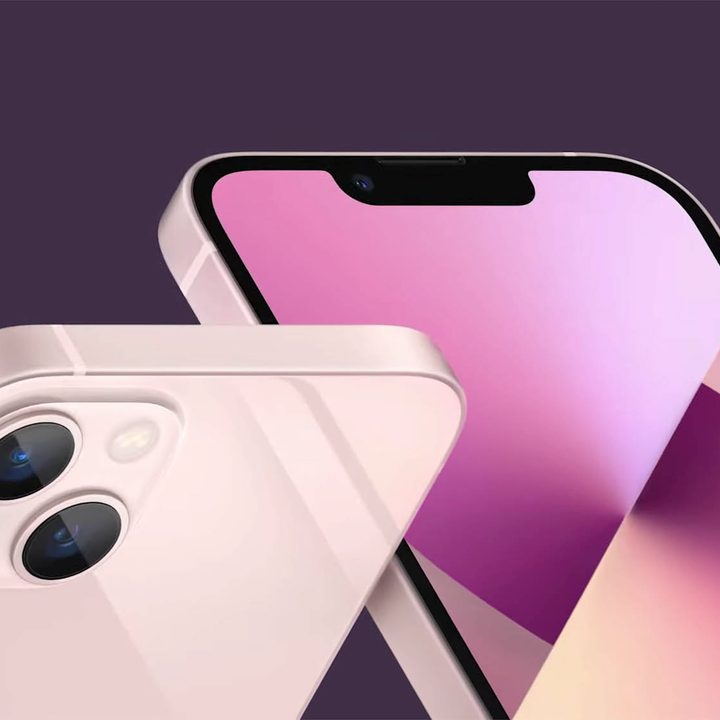
All that said, there’s another possibility: Apple is going to make an entirely wireless iPhone, one that would make both USB-C and Lightning cables totally redundant. After all, Apple has always touted wireless technology. It’s part of the company’s philosophy of simplicity and elegant design; a messy morass of tangled cables is not.
A portless iPhone has been rumored for years, and published patents show Apple is at least considering it. If Apple is really planning such a move, switching the iPhone to USB-C makes little sense if it will be ditched just as soon as it arrived, hence the lack of such an update at today’s event.
The tech isn’t there yet for Apple to launch a portless iPhone.
I wouldn’t bet on this scenario though, at least not for a few years. The iPhone’s cables still have a place in most people’s day-to-day lives, from connecting to cars to enabling fast charging. The tech isn’t there yet for Apple to launch a portless iPhone and not bring with it a decrease in performance and increase in inconvenience.
As I alluded to earlier, the sheer scale of the iPhone means Apple has to take it easy with ground-shaking changes, and sealing off the ports is pretty high on the list when it comes to ground-shaking changes. It runs counter to everything Apple learned from the 30-pin uproar.
Don’t worry, USB-C is coming
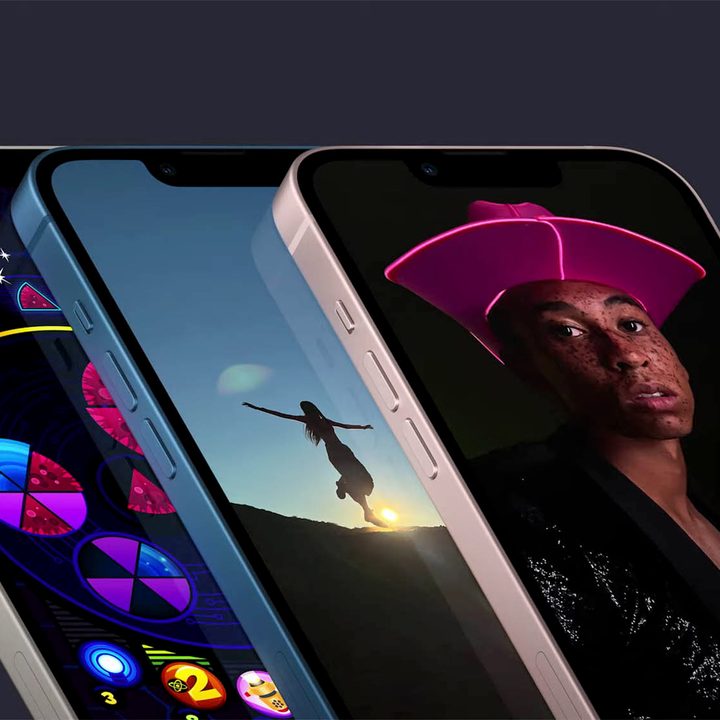
A portless iPhone could be a possibility in a few years’ time, but don’t bet the farm on it. It feels too “out there” for Apple right now, as if a company intern was asked to present their ideas for the future without really knowing what’s best for right now.
But at the same time, there’s no need to panic about the lack of USB-C at this year’s iPhone event. Looking at the actions Apple has been taking with its other devices over the past few years, I’ve got a sneaking suspicion that a USB-C iPhone is not too far out now.
Your iPhone still needs a cable, and that isn’t likely to change for a few years. Apple just doesn’t want to rock the boat before its users are ready for what will undoubtedly be a sizable shake-up. Luckily, Cook has been getting us all ready to make the transition as painless as possible. And none of us even knew it was happening.


