  1. Home
  2. Phones
  3. News

Metalenz’s new face scan tech lives under the phone display and doesn’t need ugly cutouts

Face ID under the display is finally real, and it's not from Apple.

Add as a preferred source on Google
Metalenz Polar ID
Metalenz

Face ID under the display is finally real, and it’s not from Apple. Metalenz has developed the technology that lets facial recognition work from under the display. 

The notch. The punch-hole cutout. The Dynamic Island. Every phone maker has a different name for it, but they all share the same problem. There’s a big chunk cut out of your display to make the facial recognition work. Metalenz might have just solved that.
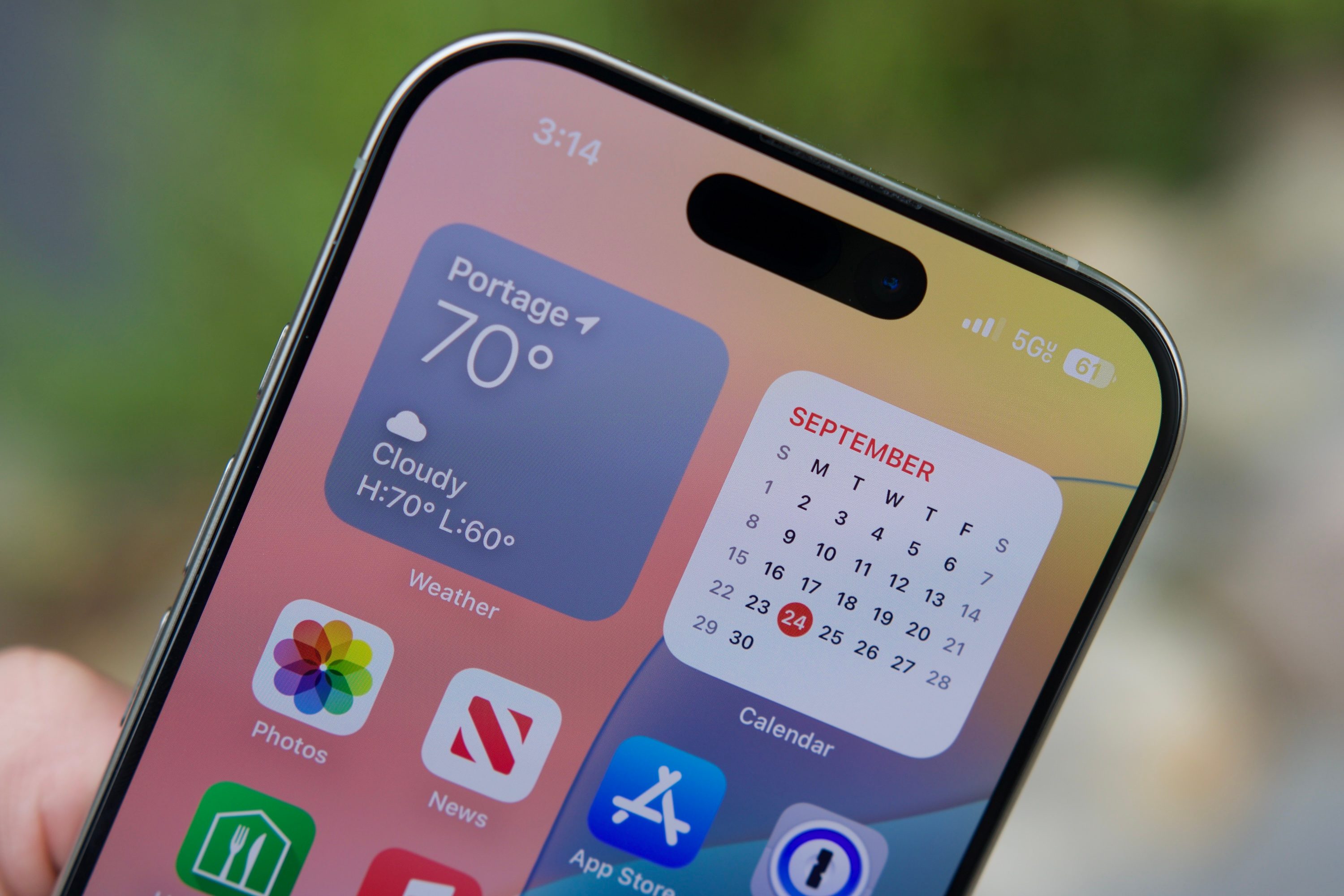
At Display Week in Los Angeles, the company is demonstrating Polar ID working under a fully powered-on OLED display. There’s no cutout, and it’s totally secure. 

Why is this a big deal?

Face authentication isn’t just a camera trick. To prevent spoofing, meaning someone using a photo or mask to fool your phone, the system needs to capture depth and detail that a standard camera struggles to deliver through a display. 

Recommended Videos

That’s why Apple’s Face ID technology is far superior to what several Android devices offer, which only use a camera to allow for device unlocking. However, since they are not secure, they cannot be used for biometric authentication or perform sensitive actions such as payment processing. 
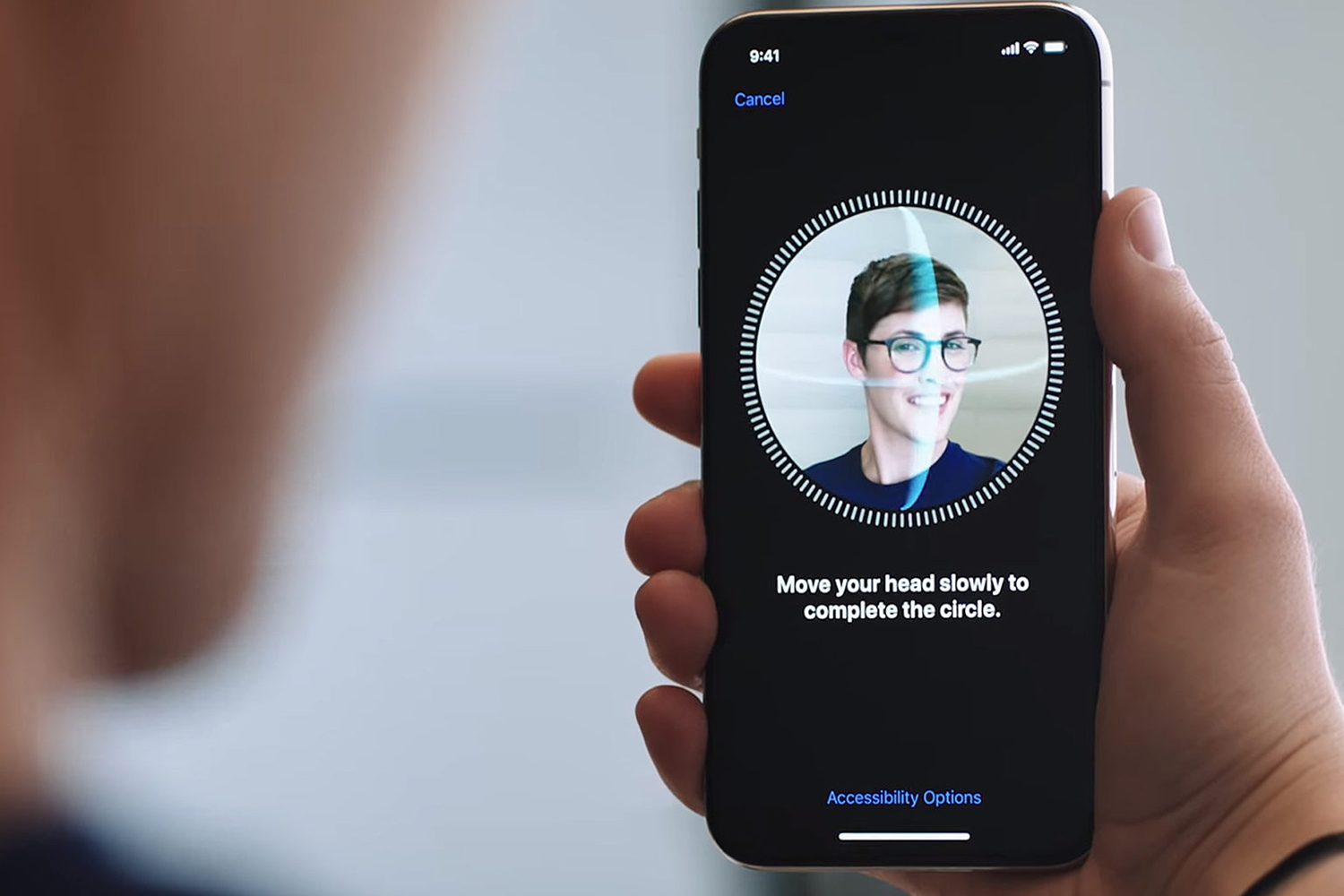
However, for Face ID to work, the sensors need a big cutout as they cannot perform the verification through the display. Leaks have suggested that Apple has been working on this problem but hasn’t found a solution yet. 

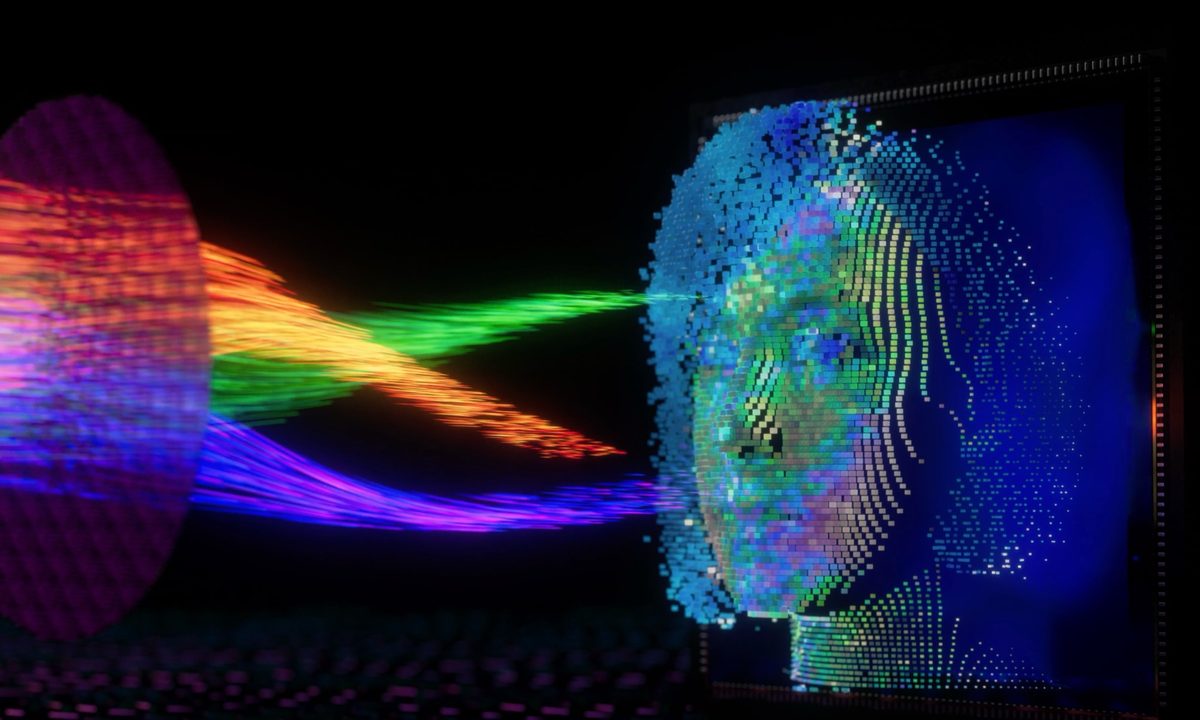
Metalenz’s solved by taking a different approach. Its Polar ID technology captures polarized light using something called metasurface optics. The clever part is that this polarization signal passes through the OLED display without losing quality, which is the exact problem that has held everyone else back. 
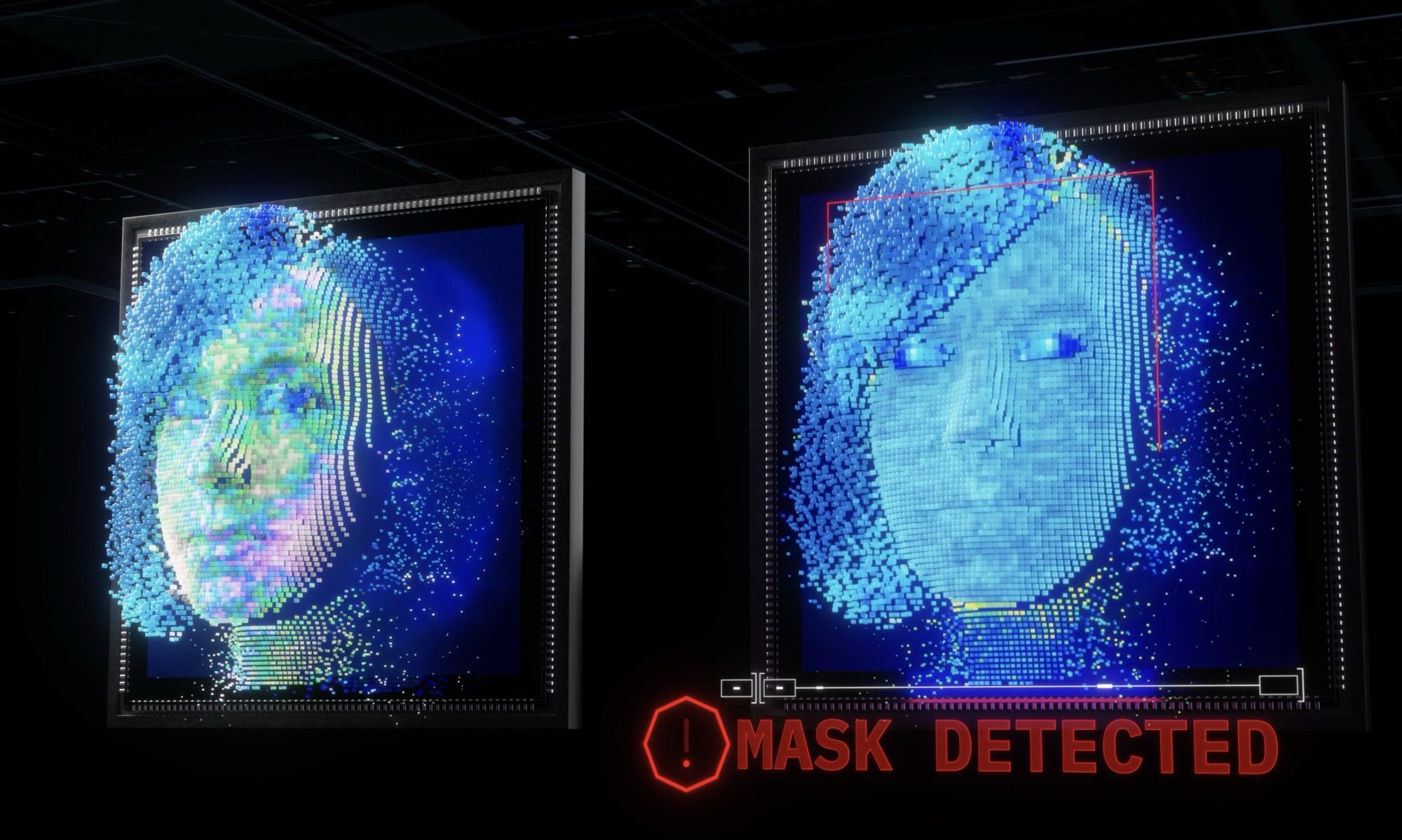
The company claims a 0% spoof acceptance rate, which puts it in the same league as Apple’s Face ID in terms of security.

What does this mean for your next phone?

For Android users, this is potentially big news. Right now, Android manufacturers only offer face unlock as a convenience feature, not as a payment-grade security tool, partly because putting a proper system under the display was too difficult. Polar ID changes that calculation.

If phone makers adopt this, the notch and the cutout become unnecessary, and you might finally get the true all-screen phone the industry has been promising for years.

Rachit Agarwal
Rachit is a seasoned tech journalist with over seven years of experience covering the consumer technology landscape.
iOS 26.5 adding encryption to RCS messages exchanged between Androids and iPhones
Encrypted RCS is arriving in Apple Messages, giving iPhone and Android chats a long-awaited privacy boost
RCS-messaging-on-iOS

Apple is adding encrypted RCS to messages exchanged between iPhone and Android users with iOS 26.5, but the useful detail is what you’ll see when protection is actually active.

The support is in the iOS 26.5 release candidate for developers and public testers, where Apple lists it as a beta. That matters because access depends on supported carriers and a gradual rollout, so installing the update won’t automatically mean every cross-platform chat is protected.

Read more
Samsung’s next-gen display can measure heart rate and blood pressure through your fingertip
Forget the smartwatch, your phone screen might soon track your vitals.
Samsung Display Booth at Display Summit

Samsung is always pushing the boundaries of what a display could do. Earlier this year, the company released its flagship Galaxy S26 Ultra with a Privacy Display that turns off wide-angle pixels, limiting the viewing angle so no one can snoop on your phone. 

Now, the company has showcased a display technology that could make your next smartphone a surprisingly capable health monitoring device. At Display Week 2026 in Los Angeles, the company unveiled its latest Sensor OLED Display, a 6.8-inch panel that integrates health sensors directly into the display itself. 

Read more
Samsung shows off insanely bright smartphone OLED display that doesn’t sacrifice colors
Your phone screen is about to outshine the Sun
Samsung Display For Smartphone

Samsung Display has unveiled its latest smartphone display innovations at Display Week 2026, with a clear focus on improving brightness, color accuracy, and overall efficiency. The new developments are aimed at solving real-world issues - especially visibility in bright outdoor conditions and more accurate color reproduction for modern content.

Brighter Screens and Better Colors

Read more