

Over the past couple of years, AI has made a solid impact in the field of medical sciences. From enhancing cancer detection to supercharging the discovery of drugs, we are seeing new breakthroughs at a rapid pace.
Now, an AI-powered app is making life easier for parents concerned about infant jaundice, which is fairly common. Developed by Singapore General Hospital (SGH), SingHealth Polyclinics (SHP), and national HealthTech agency Synapxe, it lets parent screen their newborn babies for neonatal jaundice (NNJ).
The underlying machine learning model, which is a first for Asian skin tones in this scenario, delivered impressive results. “The team found that the app gave similar results when compared to existing methods of NNJ testing, with 100 percent sensitivity,” claims Polyclinics SingHealth.
The app was developed following two clinical studies over a span of two years, involving multiple rounds of validation on infants under 21 days of age. Named BiliSG, it employs a machine-learning model that analyzes the skin color in various regions, such as the chest, forehead, and abdomen. 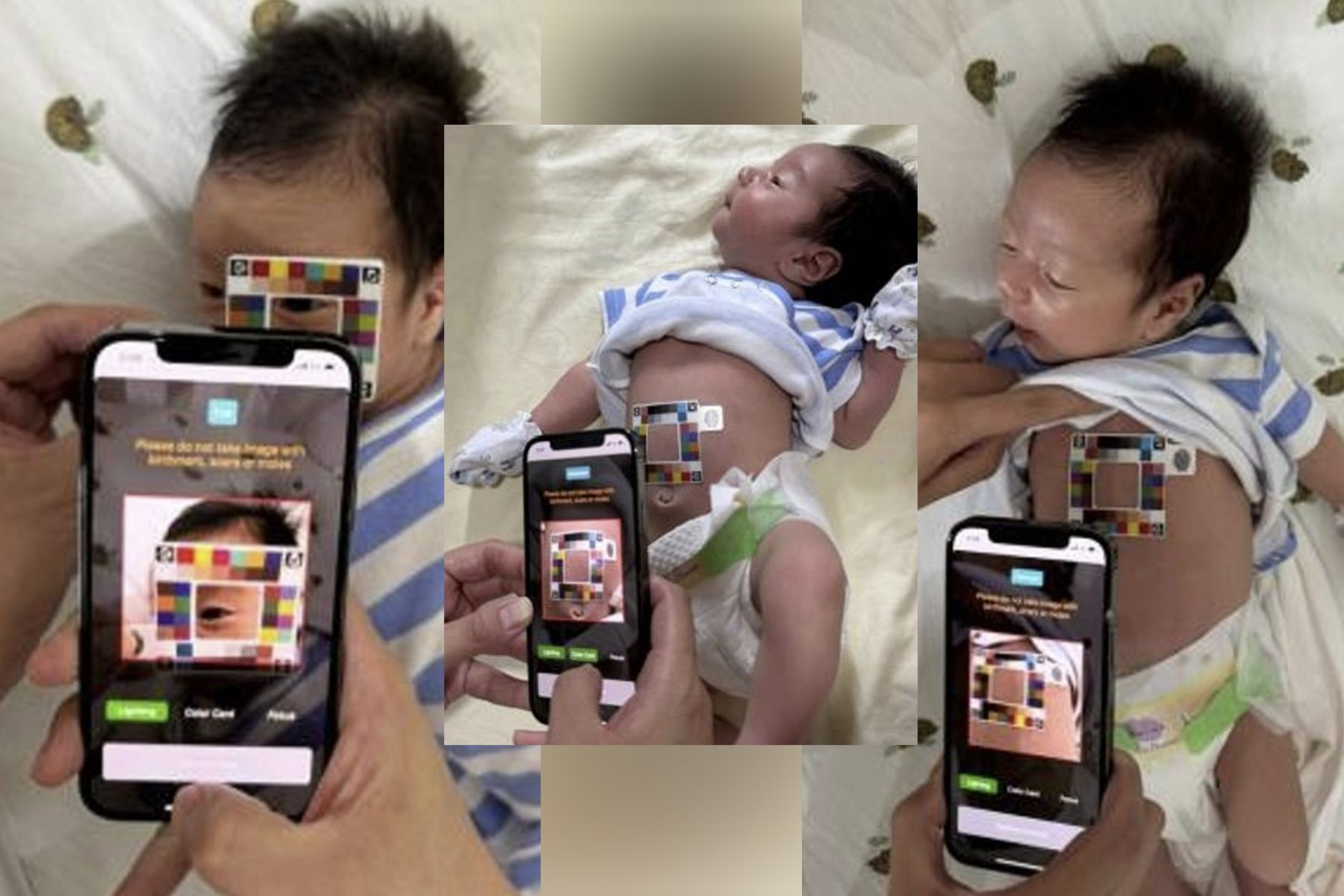
The app is named after bilirubin, a yellow chemical that originates from the breakdown of red blood cells and also happens to be an essential component of the digestive fluid produced by the liver.
In a person suffering from jaundice, bilirubin imparts a yellow tint to the skin due to the leakage of the chemical in skin tissue. BiliSG makes it easier for parents to look for signs of neonatal jaundice (NNJ) from the comfort of their home instead of going through the ordeal of frequent hospital visits.
NNJ is a condition that affects 60% of infants, but the number is even higher for pre-term babies. Body systems usually regulate the high levels of bilirubin in the bloodstream, but if that doesn’t happen, jaundice complications can lead to permanent brain damage, development delays, and motor disabilities.
“It will transform the way we protect the brain health of babies by ensuring their jaundice is monitored closely by their parents in a convenient setting and with the safeguard and supervision of their family doctors via telemedicine,” medical research experts who were a part of the project were quoted as saying.
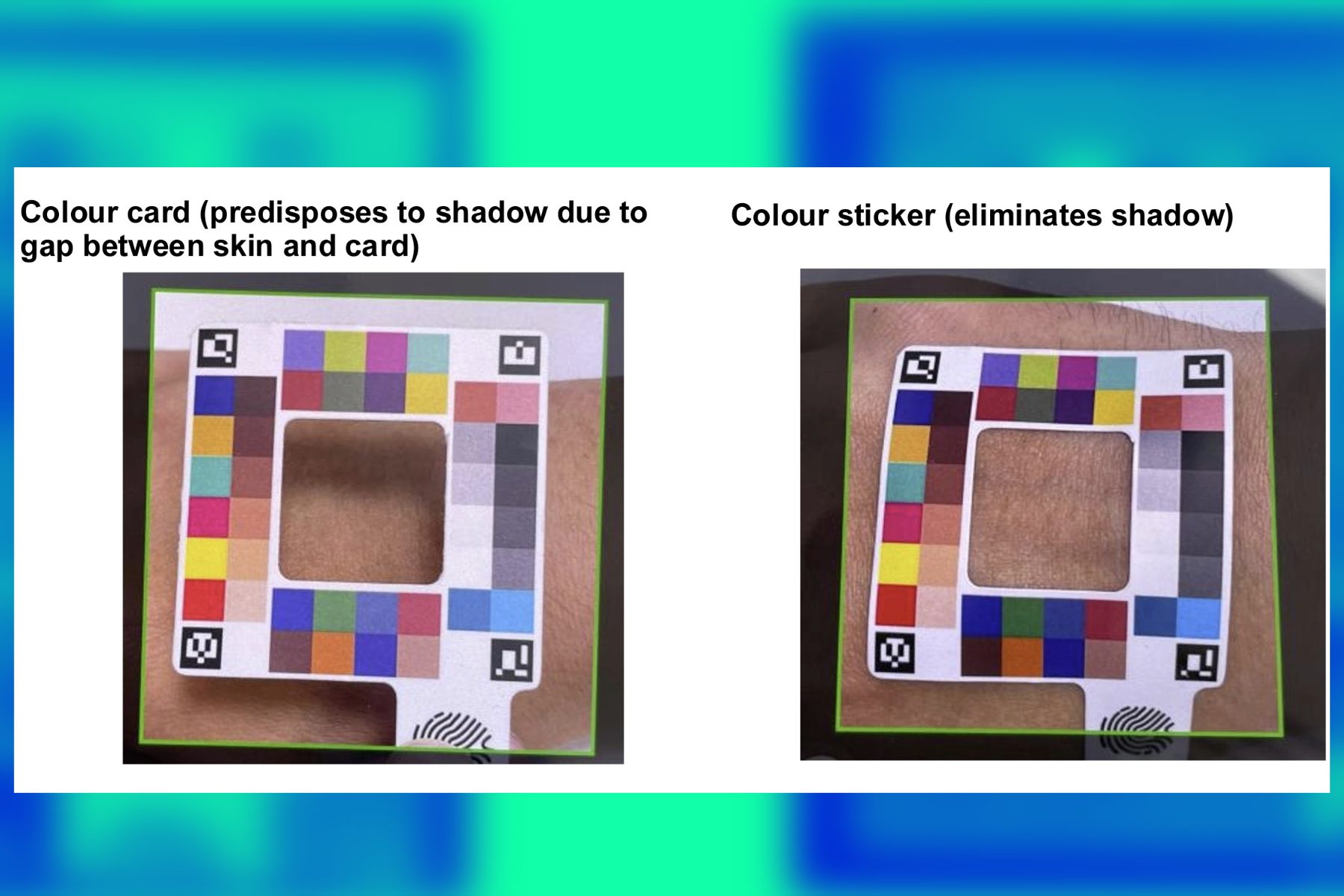
Parents only have to capture a picture of the skin area enclosed within a color calibration sticker. The color calibration sticker you see in the pictures above was designed to minimize reflection, perform light intensity corrections, and accommodate temperature variations. The team is now looking to fine-tune the app with expanded validation.
The tests were conducted with the app running on an iPhone 12. The research team is hoping to expand the pool to more smartphone models (including Android), a process that would entail a lot of work, with camera-related factors (such as resolution) and the lighting situation being some of the core variables.
The team is aiming to make the BiliSG app more robust and reliable in real-world scenarios beyond clinical setups. They are also focusing on making the app easier to use, especially for parents and caregivers who don’t have as much experience using medical tools.
You can read the full research paper here.


