  1. Home
  2. Phones
  3. Android
  4. Apple
  5. Mobile
  6. News

FTC and FCC shine a light on mobile security updates

Add as a preferred source on Google

Google began issuing monthly security updates for Android ever since the Stagefright bug was exposed, and companies like Samsung, LG, and Sony committed to the program to also issue updates to their Android devices.

But how exactly are these updates moving along? What is the process of deciding which phones get updates? Do manufacturers communicate to software developers when there are threatening vulnerabilities? These are questions the Federal Trade Commission and the Federal Communications Commission want to find out.

Recommended Videos

The FTC has issued orders to eight companies, seeking more information about “how they issue security updates to address vulnerabilities in smartphones, tablets, and other mobile devices.” And the list of companies aren’t restricted to Android device manufacturers.

The orders were sent to Apple, Google, Microsoft, BlackBerry, Samsung, LG, Motorola, and HTC. The requests for information cover topics such as when a company decides to disclose a vulnerability to consumers, whether companies offer unlocked variants of devices, what security testing processes each company follows, and more.

“There have recently been a growing number of vulnerabilities associated with mobile operating systems that threaten the security and integrity of a user’s device, including ‘Stagefright’ in the Android operating system, which may affect almost 1 billion Android devices globally,” the FCC said in a blog post.

For operating systems like Android, however, a large reason as to why updates don’t reach consumers is because of carriers. Many carriers delay pushing updates for a considerable length of time, and usually wait for big operating system updates. The FCC has reportedly sent out orders to carriers as well in a separate but parallel inquiry.

The FTC and the FCC want to spotlight the significant delays from device manufacturers and carriers in addressing vulnerabilities, to protect consumers from security threats. The move is undoubtedly positive for consumers — if federal action is taken to improve the time in which manufacturers and carriers push updates, that means more people will be running secure operating systems with fewer vulnerabilities.

If that type of action takes place, it would also be a considerable boon for Google, as it could potentially fix Android’s fragmentation problem.

Julian Chokkattu
Former Mobile and Wearables Editor
Julian is the mobile and wearables editor at Digital Trends, covering smartphones, fitness trackers, smartwatches, and more…
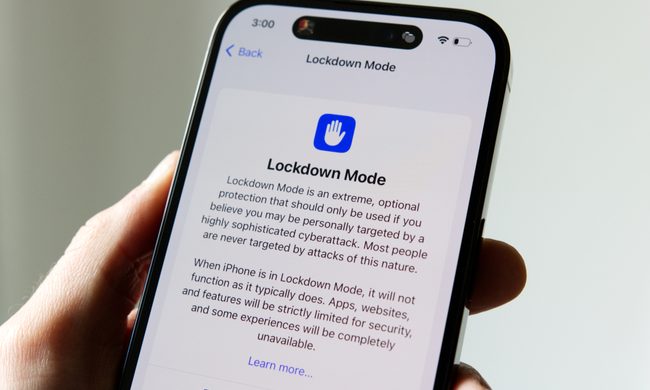
Apple says Lockdown Mode thwarted spyware attacks with a clean slate
Apple’s strongest defense is actually holding up
Lockdown Mode information page on an iPhone 14 Pro.

Apple says it has not seen a successful spyware attack on any iPhone with Lockdown Mode enabled, a claim it shared with TechCrunch.

Lockdown Mode arrived in 2022 as an opt-in feature for iPhone, iPad, and Mac. It was introduced as a stricter security mode for people at high risk of targeted attacks, such as journalists, activists, and government officials.

Read more
The Dynamic Island could shrink on the iPhone 18 series, and not just on the Pro models
One leaker, one claim, and a big question: is Apple genuinely ready to give every iPhone buyer the same design treatment as Pro owners this cycle?
Apple iPhone 17 Pro in Cosmic Orange leaning on a gray wall.

Apple’s Dynamic Island has been around long enough that most people have made their peace with it or forgotten it’s there. In fact, I’ve seen people associating the pill-shaped notch with newer iPhone models (released in the last 3 years). Now, a fresh leak suggests that the notch replacement is about to shrink, not just on the expensive models. 

What did the leaker actually say?

Read more
Apple Podcasts finally gets serious about video, adds multiple YouTube-inspired features
With offline downloads, Picture-in-Picture, and a dedicated video hub, iOS 26.4 turns Apple Podcasts into a platform creators can no longer afford to ignore.
Electronics, Phone, Mobile Phone

For years, the Apple Podcasts app supported video, at least it did technically, but nobody used it. Creators ignored it, while listeners forgot it. Meanwhile, other platforms like YouTube and Spotify quietly built empires on video podcasting. However, that changes with the iOS 26.4 update, or at least that is what Apple hopes for. 

Video podcasting exploded in popularity in recent years, with audiences gravitating toward platforms that treated the format well (as already mentioned above). Despite being an iPhone user, I personally consume podcasts on YouTube (I briefly paid for the Premium membership as well). 

Read more