
It looks like HMD Global’s Nokia is finally ready to update more of its phones. The company has announced the Nokia 5.1, Nokia 3.1, and Nokia 2.1, all of which boast improved specs over the original devices.
In general, it seems like the devices are very similar to the original phones in terms of design — but that doesn’t mean you should skip over them. Here’s everything you need to know about the Nokia 5.1, 3.1, and 2.1.
Nokia 5.1
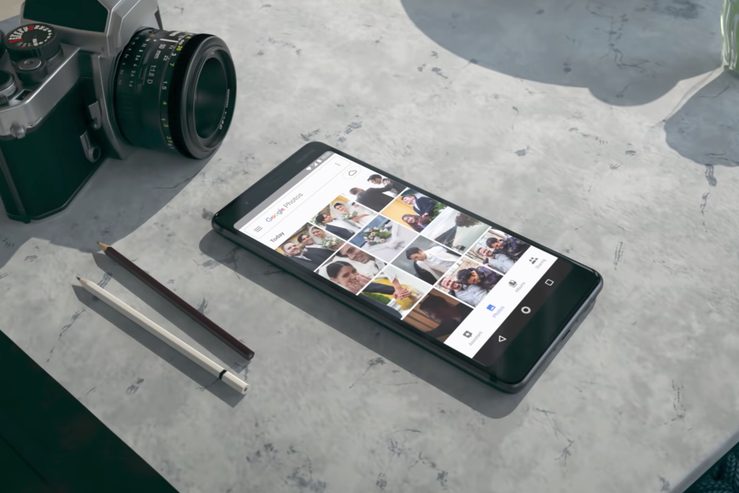
First up is the Nokia 5.1, which sits slightly below the Nokia 6.1 in terms of Nokia’s lineup. The phone keeps the Nokia 5’s overall design, but adds a slightly larger 5.5-inch display, along with a now rear-mounted fingerprint sensor. Under the hood, the phone boasts a MediaTek Helio P18, along with either 2GB or 3GB of RAM and either 32GB or 64GB of storage.
The camera on the phone is also better than last year’s device. The device offers a 16-megapixel camera on the back, while the front-facing camera sits in at 8-megapixels.
Like other Nokia phones, the device offers Android One for its operating system — meaning that Google will take care of software updates, and they should be much quicker.
The Nokia 5.1 is available in Europe for 189 euros, and for 189 British pounds in the U.K. The 3GB RAM/64GB storage model will come at 219 euros, or around $252. Unfortunately, it will not be released in the U.S.
Nokia 3.1
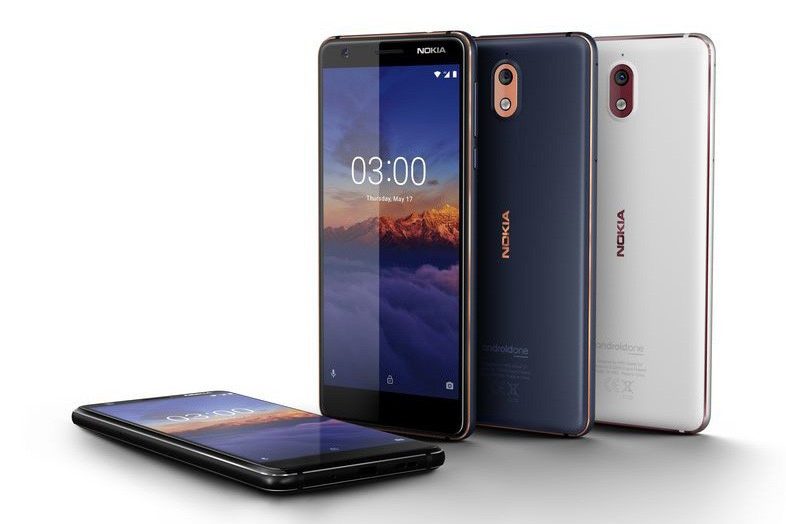
The Nokia 3.1 is much lower-powered than the Nokia 5.1, but it’s also a whole lot cheaper. The new Nokia 3.1 offers a 5.2-inch display with an 18:9 aspect ratio, along with a HD+ resolution. Under the hood, you’ll find a MediaTek 6750 octa-core chipset, along with either 2GB or 3GB of RAM and 32GB or 64GB of storage.
On the back of the phone, you’ll find a 13-megapixel camera sensor, which is up from the 8-megapixel sensor on the original Nokia 3. Unlike some other phones in this price range, the Nokia 3.1 includes features like an NFC chip for mobile payments.
The Nokia 3.1 is also an Android One phone, so again, it will get timely updates straight from Google whenever they’re made available. It is available in Europe for 139 euros, the U.K. from 149 British pounds, and at Best Buy in the U.S. for $160.
Nokia 2.1
The Nokia 2.1 is the cheapest of the three phones. It offers a 5.5-inch HD display, along with dual front-facing speakers. Under the hood, the phone features a Qualcomm Snapdragon 425 processor, which means it should offer far improved performance compared to the original Nokia 2. The major selling point here is the massive 4,000mAh battery, which HMD Global claims will give the device a two-day battery life, and allow you to leave your charger at home.
Another interesting thing about the Nokia 2.1 is that it features Android Go, Google’s lightweight version of the Android operating system. Unlike Android One, updates will still have to come from the carrier, but hopefully the Android 9.0 Pie update for Android Go will come soon. Android Go also comes with pared-down versions of Google’s stock apps to complement the lower power systems. These include Gmail Go, Gboard Go, Maps Go, and so on.
The phone is available in Europe 115 Euros, and in the U.S. for $120. As of October 2018, it is also available in multiple retailers in the U.K., including Argos, Carphone Warehouse, EE, and more — for just 100 British pounds.
Updated on October 11, 2018: We’ve updated this to make sure all the availabilities are up-to-date.


