After weeks of teasing, OnePlus has revealed its compact phone — the OnePlus 13T — in China. The 13T is OnePlus’ response to the emerging focus brands have on thin and light phones, including the upcoming Galaxy S25 Edge and the iPhone 17 Air. Despite its teensy build, the OnePlus 13T packs in plenty of power, including an unrelenting Snapdragon 8 Elite, an immersive high-resolution display, and a large battery unlike other phones of its size.
The biggest highlight is the compact design, opposing the general trend among phones stretching out of hands. Accounting for its compactness, the OnePlus 13T features a 6.32-inch AMOLED display — compared to the 6.9-inch one used on the OnePlus 13. Even with the smaller size, the display maintains its crispness, with a 1.5K resolution and adaptive refresh rate up to 120Hz. The display supports Dolby Vision and achieves a peak brightness of 2,400 nits.

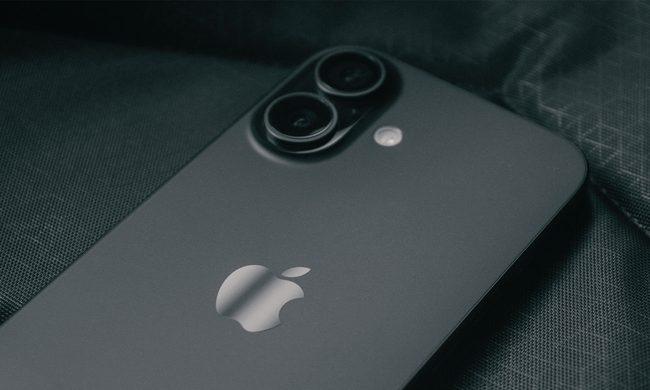
In more than one way, the design looks inspired by the iPhone 16, especially with OnePlus adopting a button similar to the iPhone’s Action Button and a frame that — at least, visually — seems like titanium. The button can be customized to change the audio profiles or for certain operations with the camera.
The smaller build also allows the OnePlus 13T to be lighter, weighing 185 grams. This is still considerably heavier than the Galaxy S25, which is over 20g lighter, or even the 15g lighter iPhone 16. The tiny build also allows usage with just one hand, as a OnePlus representative demonstrated during the announcement.
There are three colors: a light pink, a silver, and a dark gray. Each of these has a matte finish over the glass back. OnePlus is also launching a range of cases to cover up the rather plain design.


While previous OnePlus phones with the suffix “T” have been lacking in terms of performance compared to the primary number series phones. However, the OnePlus 13T defies that with internal specifications identical to the OnePlus 13. Foremost, there is a Snapdragon 8 Elite chipset and 16GB of RAM helming the performance. The phone also gets the same multi-layer vapor cooling system as the larger flagship model for effective cooling during intensive tasks such as gaming. Additionally, OnePlus offers up to 1TB of onboard storage with the compact phone.
To back up the solid performance, OnePlus is offering a 6,260mAh battery, which is comparable to large phones. The battery pack can be topped up quickly with 80W of SuperVOOC fast charging. The phone also supports wireless charging and can be charged at up to 27W using OnePlus’ circular magnetic charging puck.
Owing to the limited space, OnePlus is cutting back on the cameras in the same way as Samsung. The OnePlus 13T comes with one less camera than the OnePlus 13, i.e., two instead of three. Interestingly, the camera island on the back appears inspired by the upcoming iPhone 17 Pro, whose dummies recently gave up a better idea of the design. The setup on the back includes a 50MP primary snapper alongside a 50MP telephoto unit with 2X optical zoom. The primary sensor also gets OIS support, but there’s no Hasselblad support for special color science characteristic of the camera manufacturer.
In China, the OnePlus 13T runs Oppo’s ColorOS 15. However, if the phone launches globally, we expect it to run OxygenOS instead. There aren’t many visual differences between the two interfaces other than region-specific tuning.
OnePlus has revealed the launch prices for China, where the OnePlus 13T starts at CNY 3,399 (~$470) for the 12GB + 256GB variant and goes up to CNY 4,499 (~$470) for the 16GB + 1TB variant. These prices will not directly translate to other currencies if the phone launches in other markets. More importantly, President Donald Trump’s tariffs on China may increase the prices significantly in the U.S., which could even inspire OnePlus to skip a launch in North America entirely. We hope to learn more details in the coming weeks.