  1. Home
  2. Phones
  3. Mobile
  4. News

Robocall-blocking apps might be sending your private data to third parties

Add as a preferred source on Google
Image used with permission by copyright holder

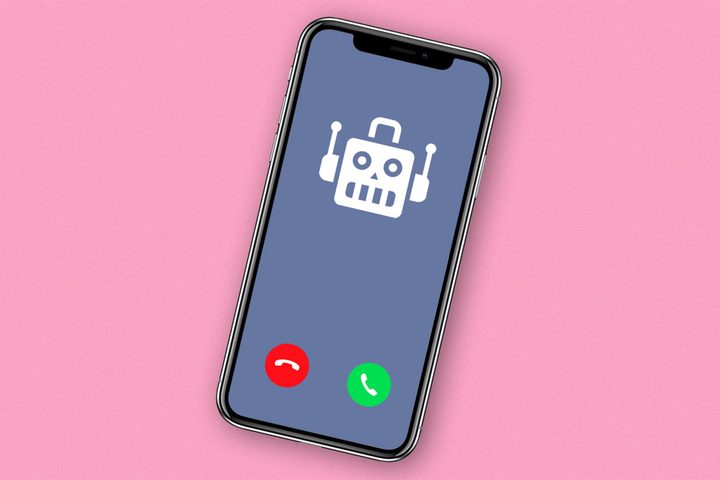
If you get a ton of robocalls, installing an app promising to block them might sound like a good idea. Robocalls are a huge problem, and a blocker seems like a quick and easy solution for improving the situation. Turns out, the apps might be violating your privacy starting from the second you open them.

A security consultant for the cybersecurity firm NCC Group took a look at some of the most popular robocall-blocking apps, and found a number of privacy violations, TechCrunch reports.

Recommended Videos

The apps they looked at include TrapCall, Hiya, and Truecaller. According to the firm, the apps will send user and/or device data to third-party analytics companies with the intent of monetizing your data, without asking for your expressed consent to do so. In many cases that information was also transmitted before a user was presented with the app’s privacy policy.

According to the firm, those apps are in violation of Apple’s guidelines which require an app to gain permission from a user before it sends any data to third parties.

The consultant argues that most smartphone users don’t have a technical background and are not able to tell what information is being shared with third parties. A privacy policy, which let’s face it most people don’t read, it really the only chance a user has to know where their information is being shared.

NCC Group contacted all of the apps in question about the privacy issues, but none of them made any changes until the group contacted Apple, after which TrapCall updated its privacy policy. Truecaller has reportedly since fixed the issue that allowed data to be sent when the app is opened.

Robocalls are becoming an increasingly larger problem for cell phone users. In June, the Federal Communications Commission (FCC) voted to allow companies to block robocalls by default.

All of the major carriers in the United States currently offer some form of robocall blocking; however, customers have to opt-in for those services. The new FCC regulations allow carriers to block those calls without a user expressly opting in for them to do so — though some wireless providers will now charge you for the privilege. 

Emily Price
Former Digital Trends Contributor
Emily is a freelance writer based in San Francisco. Her book "Productivity Hacks: 500+ Easy Ways to Accomplish More at…
Apple says Lockdown Mode thwarted spyware attacks with a clean slate
Apple’s strongest defense is actually holding up
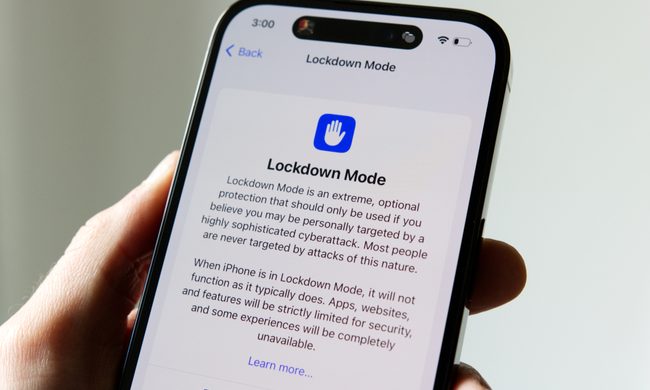
Lockdown Mode information page on an iPhone 14 Pro.

Apple says it has not seen a successful spyware attack on any iPhone with Lockdown Mode enabled, a claim it shared with TechCrunch.

Lockdown Mode arrived in 2022 as an opt-in feature for iPhone, iPad, and Mac. It was introduced as a stricter security mode for people at high risk of targeted attacks, such as journalists, activists, and government officials.

Read more
The Dynamic Island could shrink on the iPhone 18 series, and not just on the Pro models
One leaker, one claim, and a big question: is Apple genuinely ready to give every iPhone buyer the same design treatment as Pro owners this cycle?
Apple iPhone 17 Pro in Cosmic Orange leaning on a gray wall.

Apple’s Dynamic Island has been around long enough that most people have made their peace with it or forgotten it’s there. In fact, I’ve seen people associating the pill-shaped notch with newer iPhone models (released in the last 3 years). Now, a fresh leak suggests that the notch replacement is about to shrink, not just on the expensive models. 

What did the leaker actually say?

Read more
Apple Podcasts finally gets serious about video, adds multiple YouTube-inspired features
With offline downloads, Picture-in-Picture, and a dedicated video hub, iOS 26.4 turns Apple Podcasts into a platform creators can no longer afford to ignore.
Electronics, Phone, Mobile Phone

For years, the Apple Podcasts app supported video, at least it did technically, but nobody used it. Creators ignored it, while listeners forgot it. Meanwhile, other platforms like YouTube and Spotify quietly built empires on video podcasting. However, that changes with the iOS 26.4 update, or at least that is what Apple hopes for. 

Video podcasting exploded in popularity in recent years, with audiences gravitating toward platforms that treated the format well (as already mentioned above). Despite being an iPhone user, I personally consume podcasts on YouTube (I briefly paid for the Premium membership as well). 

Read more