
Buying a smartphone and keeping it for years is easier than ever before. If you buy a premium smartphone like the iPhone 13 or the Pixel 6, lengthy update policies and powerfully designed hardware will keep your phone running smoothly for years. Even less-expensive phones — think Samsung’s A-series models and Nokia’s X-series phones — also have their manufacturers promising updates for over two years. While those are good policies, there are questions on how much you can rely on those assurances.
The compelling promise of better software support
In a move pioneered initially by Apple, phones come with the expectation that they will get better and better over time with annual updates and patches. iOS 15 and Android 12 have come with a mass of new features for iPhones and Android phones, and we can expect iOS 16 and Android 13 to do so next year, and iOS 17 and Android 14 the next, and so on. In a perfect world, this means that we’d be able to hold on to our smartphones for as long as they can physically hang together, but this world isn’t a perfect one.

A false promise?
Apple, Google, and Samsung devices may have a timetable and stick to it, but everyone else is a crapshoot. A company may promise a certain number of years of its updates, and it may even want to deliver at the time, but there’s a lot that could happen in between. For starters, companies don’t generally control all parts of their phone in terms of hardware. Any update policies have to be made in concert with the operating system maker, the chipmaker, carriers, and so on. If one of these links in the chain falls apart, the chances of the update promise falling through increases.
For example, we recently reported on HMD Global and its failure to deliver a promised Android 11 update to its flagship Nokia 9 PureView.
“Nokia phones are about offering the best possible smartphone experience, day in and day out. It’s something we take pride in. That is why we had to make the tough choice not to offer the Android 11 software upgrade for Nokia 9 PureView. Incompatibilities between the camera and the software would have led to a compromised experience that does not meet our high standards,” HMD Global announced, confirming speculation that the reason HMD couldn’t deliver this update was because of issues with one of the component makers.
A promise that doesn’t hold up for budget phones
There are resource issues as well. It’s easy to promise and deliver three years of updates for your $800 flagship phone, but what happens when it’s a budget model that doesn’t sell very well? Owners of Motorola’s cheaper phones have found that out for themselves, with slow updates often delivered a year or more late.
“Each device has its own merit in terms of where it needs to be updated and how many updates it does get. We do commit on the one OS update, and obviously, we continue to review that. If we do find that the device has a longer life cycle in the market, we’ll obviously review to see whether it needs more OS upgrades,” a Motorola spokesperson said earlier this year. While the company later retracted this statement, it is very much an accidentally spoken truth when you take a step back to look at how companies actually update their phones.
And it makes a lot of sense from a cynical point of view. Why would manufacturers waste time on a phone that doesn’t sell? What’re the five customers who purchased it really going to do if they get stiffed? It’s not as if the updates won’t come. They’ll just be months or years late, and might be more buggy than you’d like. It’s a promise kept, technically speaking.
How to know who to trust?
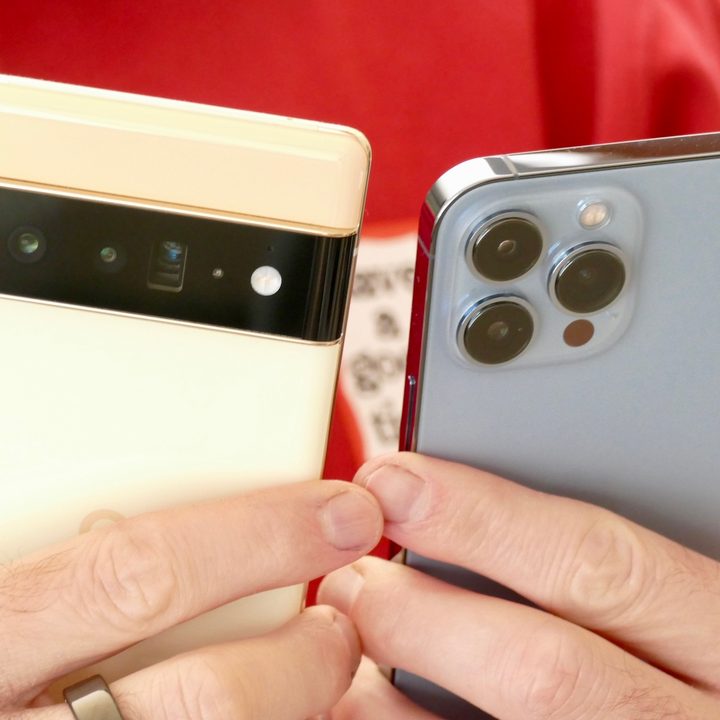
Trust comes down to track record and how much you are willing to spend. Apple makes no official assurances but simply delivers on a reliable basis. You can trust the iPhone 12 or 13 you buy today will last for at least five years. Google’s Pixels are less long-lasting, but you can at least be sure the company will deliver updates on time for as long as it promises. Samsung, too, will deliver updates to its S-series phones and Note phones reasonably fast since both are flagships. Once you slip outside that bracket, however, it’s a lot harder to figure out which update policies are meaningful.
HMD Global promises two years of updates for its phones, but the company has been notoriously slow with the delivery of updates. Xiaomi often leaves its Android phones unpatched for long periods, even expensive models like the Mi 11 Ultra, and so on. Although you’ll still likely get these updates at some point, reliability and predictability outside a select few phones are still frustratingly non-existent.
Why it matters
Smartphone update policies are more important than ever. Being able to hold onto your phone for years and years on end is good not only for your wallet but for the planet itself. Even for someone who buys smartphones refurbished, it’s essential that you can trust a manufacturer to keep its end of the bargain, so you don’t end up shelling out money for a phone at the end of its lifecycle.
At the end of the day, buying a smartphone because of promised updates has always been a risk, and HMD Global’s recent move is a good reminder of that.


