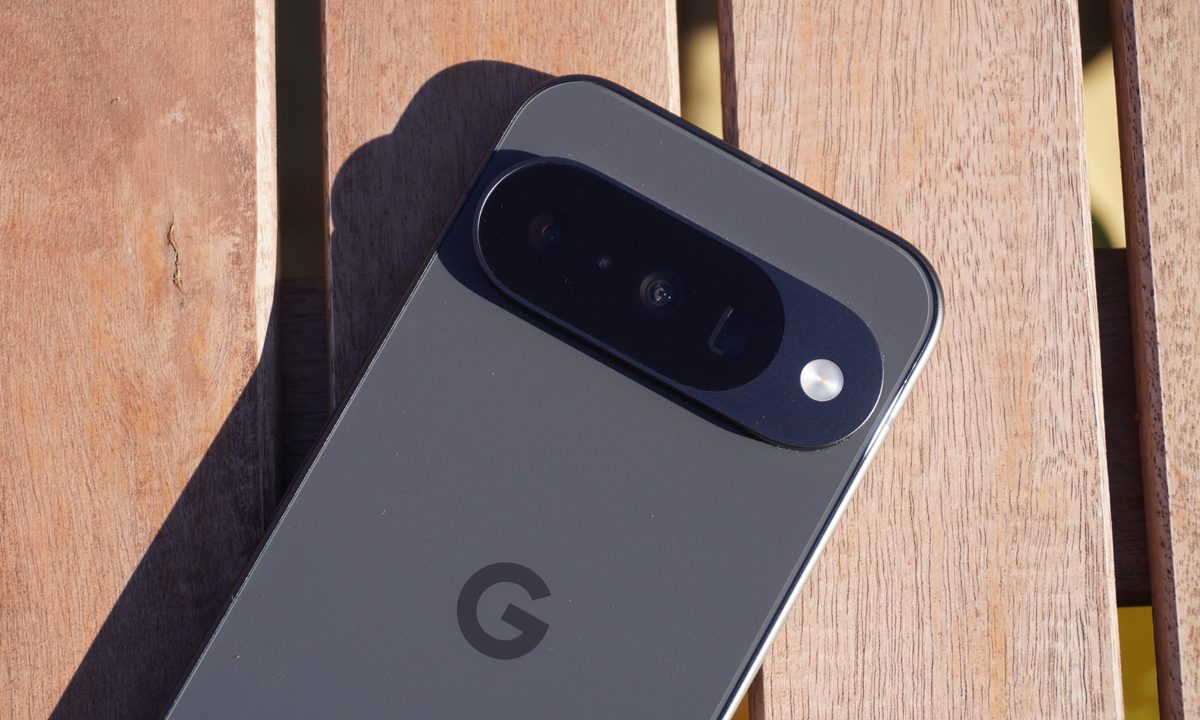
As phone makers like Samsung, Apple, and Google have focused on fighting for the best phones with their XL, Max, Pro, or Ultra lineups, the other phones in the range can often be left behind.
This culminated in an intense battle among the previous generation of flagship phones, like the iPhone 16 Pro, Galaxy S25 Ultra, and Pixel 9 Pro XL, which all introduced new features designed to entice customers to upgrade or switch phone brands.
This year, attention turns to the entry-level models, especially as Apple dropped the iPhone 16 Plus for the iPhone Air, and Samsung is rumored to be doing the same in January with the Galaxy S25 Plus being replaced by the Galaxy S26 Edge.
It’s unclear whether the Galaxy S26 Pro will replace the base Galaxy S26 at the same price point, but for now, Apple and Google are both showing that an $800 phone can be a true flagship. In particular, the Pixel 10 has me smitten, and after a few days, I’m sold on buying it, as it’s an $800 flagship phone. Here’s why.
The Pixel 10 camera is far more useful
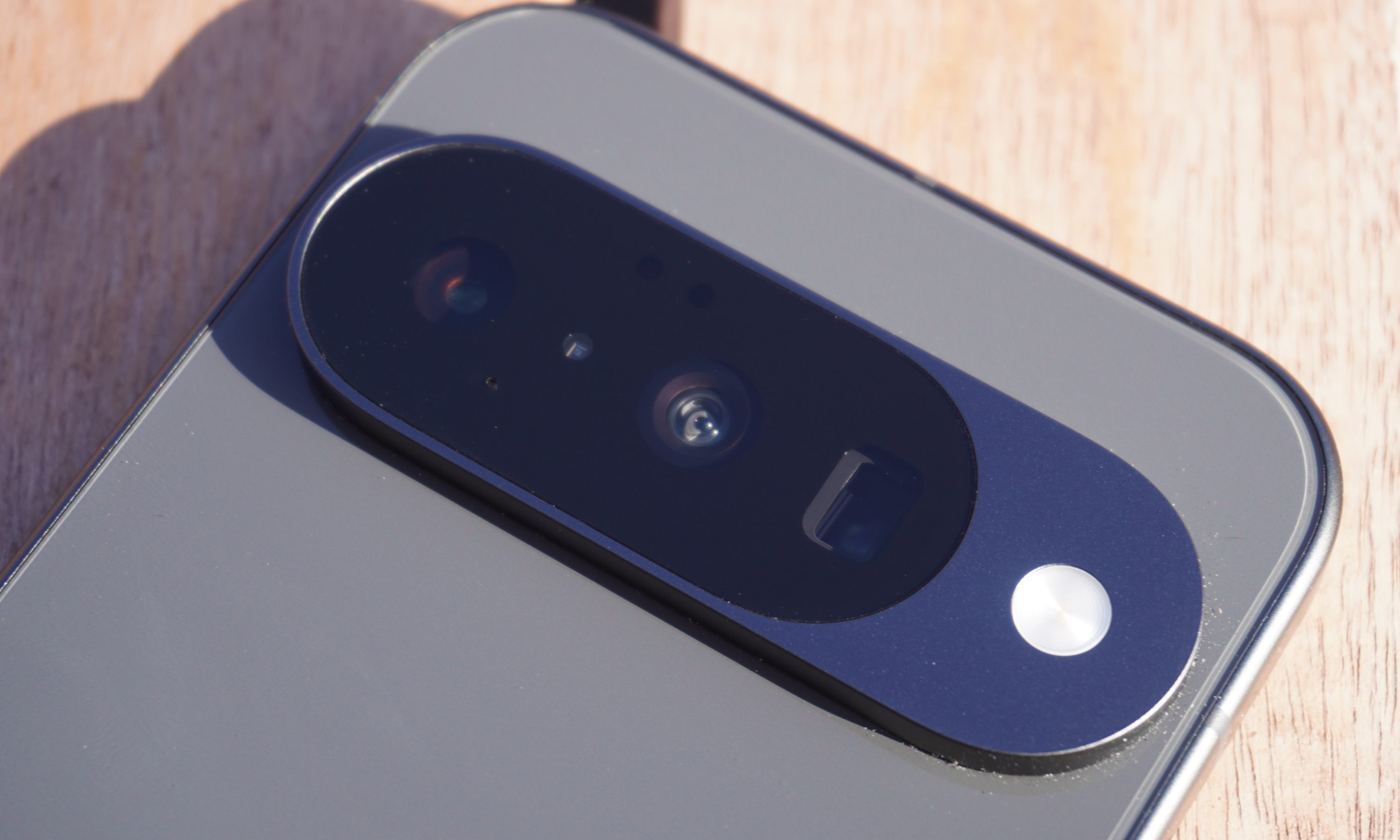
This is the year that the Pixel 10 takes center stage, as several key improvements help it offer a flagship experience without the flagship price tag.
First, there’s one big addition that pushes the category forward: a powerful telephoto lens with 5x optical zoom. The Galaxy S25 offers a telephoto lens with 3x optical zoom, but the telephoto lens on the Pixel 10 allows it to capture better images.
| Specification | Google Pixel 10 |
| Screen | 6.3-inch OLED Actua display 1080 x 2424 at 422 ppi 1-120Hz, HDR10+ 3000 nits peak brightness Gorilla Glass Victus 2 |
| Dimensions | 152.8 x 72.0 x 8.6 mm 6.0 x 2.8 x 0.3 in |
| Weight | 204 grams (7.2oz) |
| Chipset | Google Tensor G5 |
| RAM | 12GB |
| Storage | 128GB / 256GB |
| Operating system | Android 16 |
| Rear cameras | Wide: 48MP, f/1.7, 25mm, PDAF, OIS Ultrawide: 13MP, f/2.2, 120°, PDAF Telephoto: 10.8MP, f/3.1, 112mm, PDAF, OIS, 5x telephoto |
| Front camera | 10.5MP, f/2,2, 20mm, PDAF, 1.22µm |
| Battery | 4,970mAh Lithium-Ion 30W wired charging 55% in 30 minutes 15W wireless magnetic Qi2 charging |
| Colors | Indigo Frost Lemongrass Obsidian |
| Price | From $799 |
Like the Pixel 10 Pro camera, the Pixel 10 utilizes AI to enhance the overall image, which helps compensate for the lower-resolution telephoto camera. The ultrawide camera has also been reduced from a 48MP snapper last year to a 13MP camera this year.
Despite these drawbacks, the presence of a telephoto lens means it’s infinitely more usable for most people. Google has proven its capable of achieving strong zoom performance without a telephoto lens, but even with excellent AI edits, having a telephoto with 5x optical zoom makes all the difference.
Strong performance, but storage is a miss

A few weeks ago, this was an easy point to make; however, the iPhone 17 launch this week has changed our expectations.
First, there’s the performance: the Tensor G5 is just as capable as the one found in the flagship lineup, including the upcoming Pixel 10 Pro Fold, and it’s paired with 12GB of RAM. There are occasions where it falls short of the peak performance of rival chipsets, such as the Snapdragon 8 Elite inside the Galaxy S25, but this is still a flagship experience nonetheless.

Then there’s the storage, and the new iPhone 17 range should have Google concerned. Why? All four of Apple’s latest phones feature a minimum of 256GB of storage. In contrast, Google still sells a 128GB version of the Pixel 10 Pro, and although this has a $100 lower price tag than the iPhone 17 Pro, both phone makers charge the same for 256GB storage.
This is fairly commonplace — especially as phone makers aim to keep the starting price as low as possible — but the exception to this is the iPhone 17: Apple offers 256GB for $799, while both Google and Samsung charge $100 more for the same storage capacity. Expect this to become the new standard for phones, and this is a necessary and long-overdue step.
A qualitative upgrade that’s extremely polished

The Pixel 10 is a wonderful phone. This is a phone that feels fantastic in the hand, and I love the smaller 6.3-inch size. This is my favorite size for a smartphone screen as it’s easy to use in one hand, and while I expect the best folding phones will push companies to explore bigger screens, I hope this screen size will remain commonplace.
The Pixel 10 screen, in particular, is beautiful and vibrant, and among the best available on a smartphone right now. It has an increased peak brightness of 3,000 nits, and it’s one of the brightest on a phone, meaning it offers exceptional legibility on brighter days. For comparison, the iPhone 17 also matches this, while the Galaxy S25 peaks slightly lower at 2,500 nits.

The battery is slightly larger at 4,970 mAh, but in my testing, it can be a source of concern, especially on days with heavy usage. On more than one occasion, I reached for a charger by the end of the day, but as I’ve found with the Pixel 10 Pro, the battery life will improve after a few weeks of usage. Google’s optimizations actually do work, and I would expect screen time to increase from five hours to around six.
The key features that I was missing
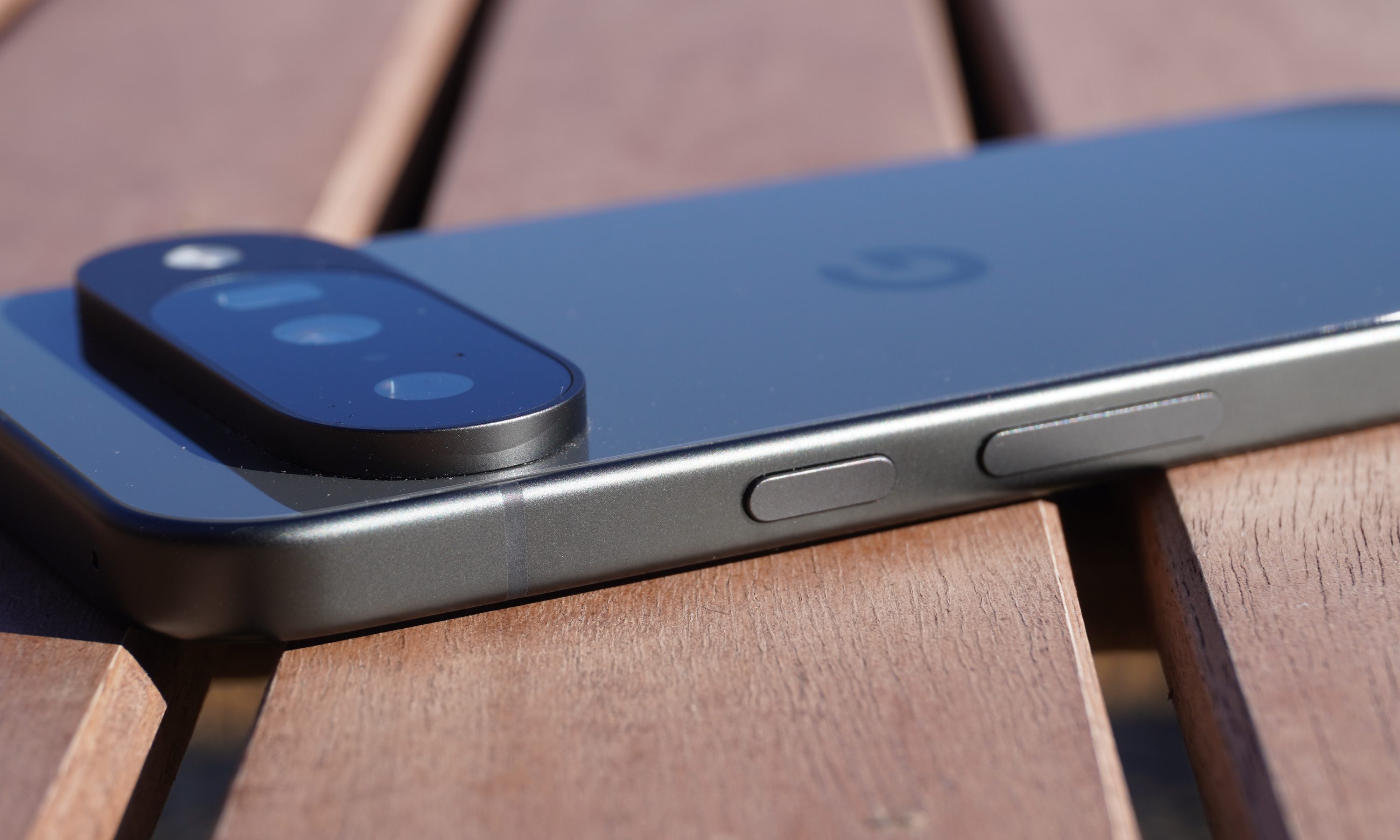
The Pixel 10 this year adds the key features that I was missing, and the result is an excellent all-around experience. Once again, Google has proved that it doesn’t need the best hardware for the best experience.
Having used the Galaxy S25 and last year’s iPhone 16 — and eagerly awaiting the new iPhone 17 — it’s clear that the Pixel 10 offers the most complete experience at this price point. It’s the first $800 phone to deliver the same flagship experience as found in many of the best phones, and follows OnePlus’s lead by offering a great experience at an affordable price. The only real question is which Pixel 10 color to choose,