

Among all the tariff updates that we receive every week, there’s one more factor that might make Apple’s iPhones pricier: The switch to TSMC’s 2nm process node. According to a new leak, Apple, MediaTek, and Qualcomm are well on their way to switching to the 2nm process, and that might increase the cost of some of the best smartphones.
The grim news comes from frequent leaker Digital Chat Station on Weibo. According to the tipster, Apple, Qualcomm, and MediaTek are expected to switch to TSMC’s 2nm process in 2026. This is good news performance-wise, but not so much as far as costs are concerned. TSMC’s 2nm process will be more efficient, offering better performance across the board, but it’ll also cost more than 3nm and 5nm. Because of that, the leaker predicts: “There may be another round of price increases for new phones.”
Although Apple is said not to be using the 2nm process for the iPhone 17, most sources expect the company to utilize it for the iPhone 18 lineup. Analyst Ming-Chi Kuo initially predicted that the faster, more efficient 2nm node would be reserved for Apple’s high-end phones, starting with the iPhone 18 Pro.
However, as Wccftech reports, TSMC’s yields have been better than expected, now reaching around 70% in January. This means there’ll be more of those 2nm-powered chips to go around. Again, for us, the consumers, this is largely good news. It means that Apple’s entire iPhone 18 lineup might benefit from a faster and more efficient chip, improving performance and potentially battery life.
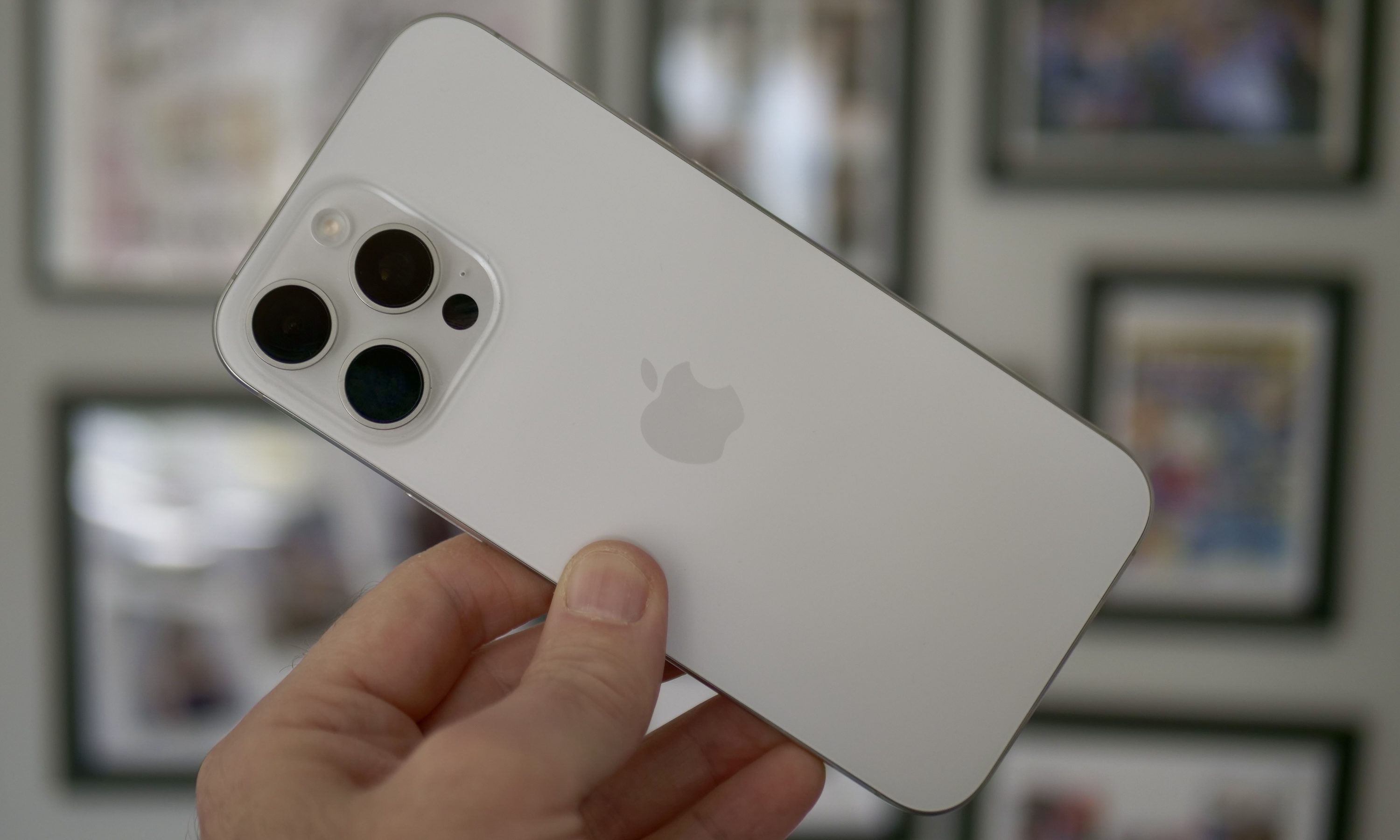
On the other hand, this also means that if Apple has to pay more to acquire the process nodes from TSMC, then it might increase the costs of its phones across the entire range.
Wccftech elaborates on what might happen next with the prices of Apple products. According to the publication, Apple is unlikely to want to lower its profit margins in order to keep the prices the same, so iPhones built on a 2nm process might come with a hefty price hike in 2026. Apple will also have to work around import taxes. If reciprocal tariffs come into effect, the iPhone 16 Pro might reportedly cost $1,400 as opposed to $999.
The current generation of iPhones might get away with minimal price hikes (or none at all), but it sounds like we might have to pay more for the generations that will follow. As always, remember that nothing is certain until Apple itself says so, and with the iPhone 18 more than a year away, leakers are mostly just speculating.


