If it wasn’t already evident, this year’s Google I/O proved that AI is very much the future of Android. The showcase even gave us the first look at Android XR smart glasses, a headset, and even a next-gen video conferencing kit in action. The crucial miss between all the snazzy product announcements? The upcoming Pixel 10 series phones.
Of course, I/O is never about hardware, but the focus on feature announcements this year was geared more towards mobile users than desktop. The Pixel’s absence was conspicuous, as even Google’s demos had executives showing off Gemini AI advancements on a Samsung Galaxy S25 Ultra on multiple occasions.
It was pretty surprising to witness. After all, Google sells the Pixel portfolio under the unofficial moniker of an AI phone. So, why was the focus not solely on the Pixel 9 Pro or its foldable sibling, arguably one of the best Android smartphones out there? Why not give a glimpse of the Pixel 10 and hype it a bit?
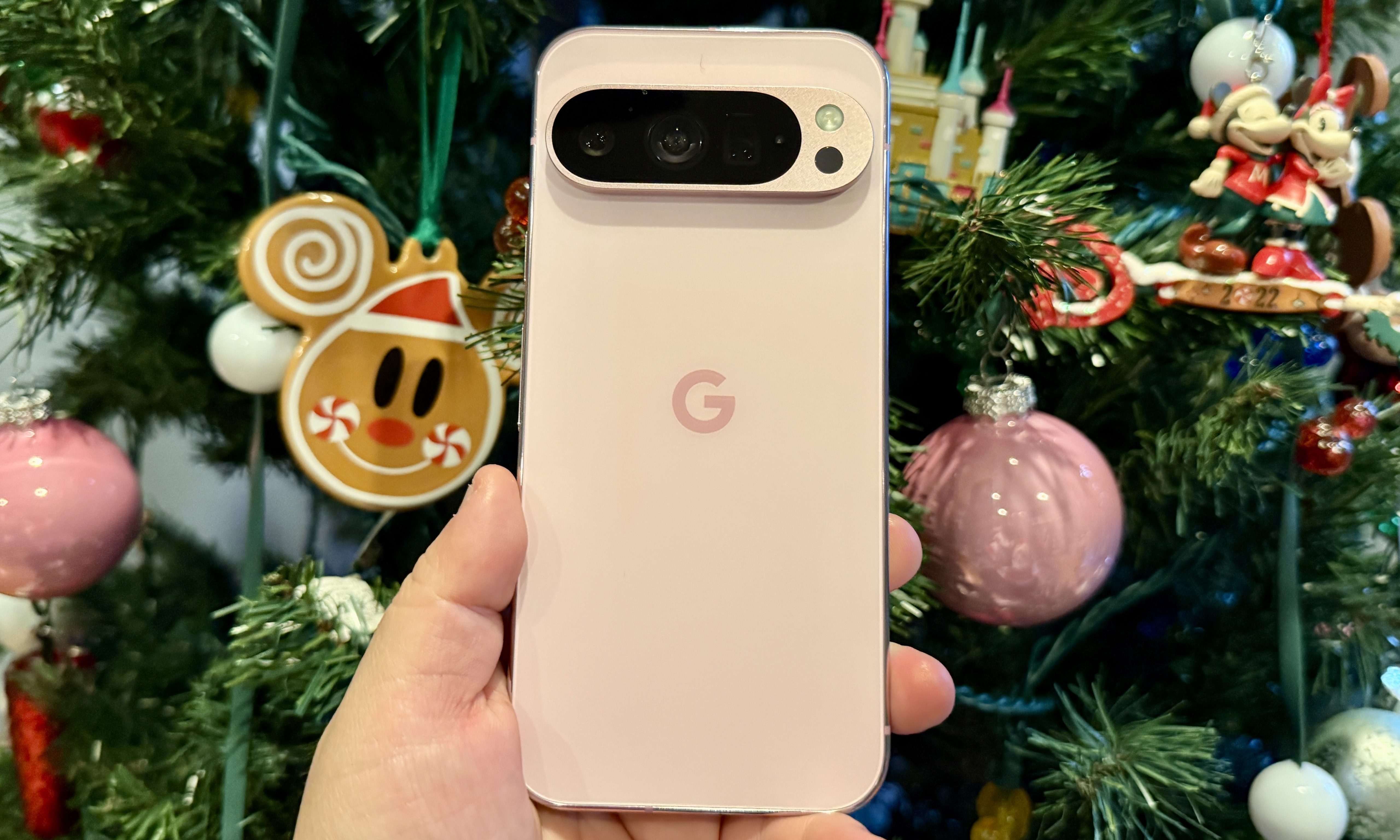
Well, Google won’t say why, but most likely, the company is saving the excitement for a flashy launch event in the coming months. However, Google I/O gave a clear view of the software experience that you will get on the Pixel 10 series. Android 16, and the whole AI shebang.
Camera enhancements at the center
There are predominantly two main reasons for investing in a Pixel phone: a fantastic camera and the latest from Android. Google already laid out the foundations for more creative control in the camera app during the beta testing phase of Android 16. Some of those enhancements include a software-assisted enhancement to low-light capture.
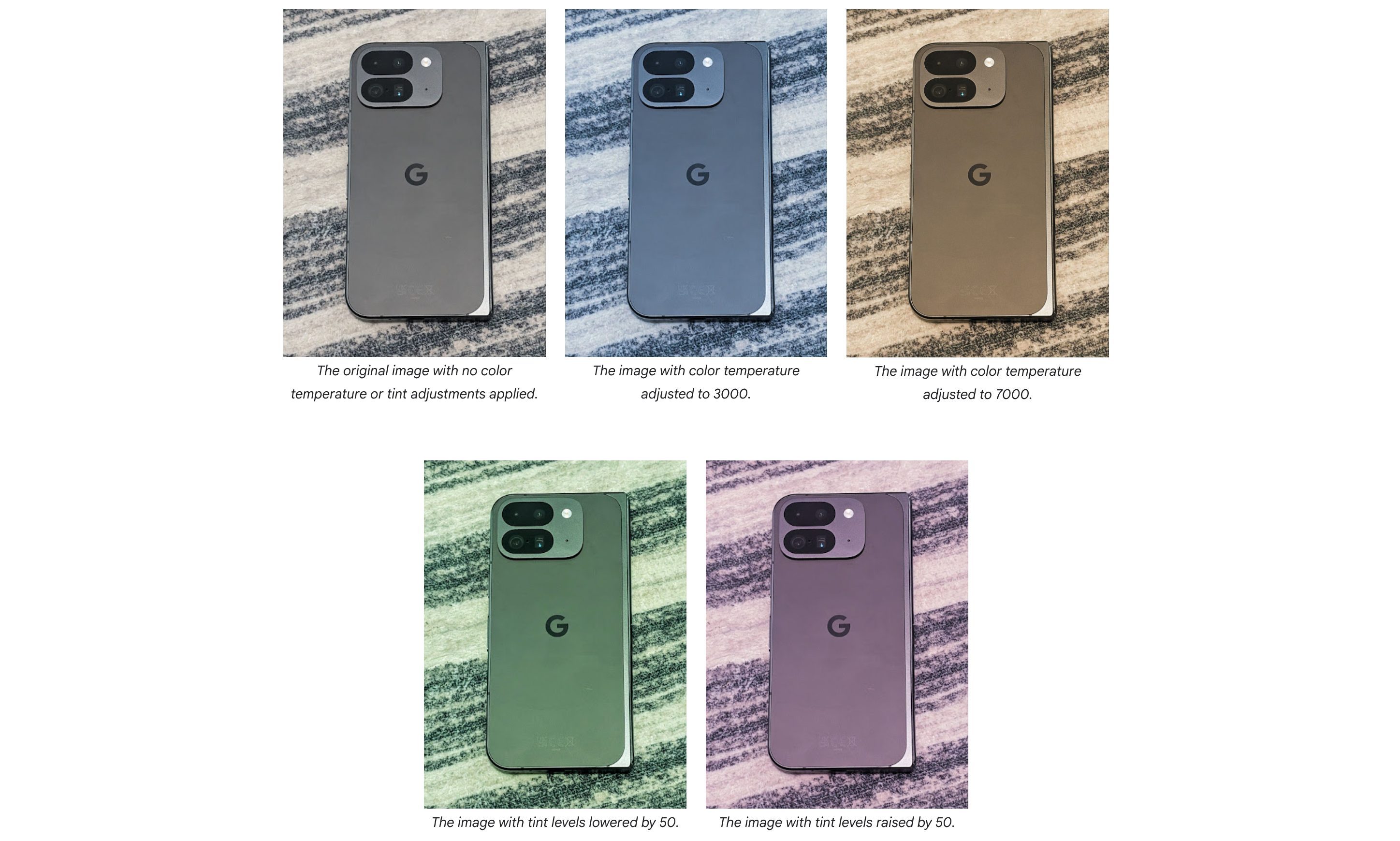
With the Camera2 API upgrade, a new hybrid auto exposure system will let users easily make adjustments to ISO and exposure levels, alongside granular tint and color adjustment controls. If the photographic styles on iPhone 16 Pro and its analog on the Galaxy S25 series, we are getting something of a similar caliber on the Pixel 10 series phones.
Interestingly, the camera upgrades will also tag alongside some battery efficiency improvements. Thanks to the new native PCM offloading pipeline, Google notes that the onboard digital signal processor will be able to “handle more audio playback processing, thus conserving user battery.” In a nutshell, your phone will suck up less batery juice during video and audio capture.
Hi-res video capture is quite demanding on phones, and I can’t wait to see what improvements Google has in the pipeline for the Pixel 10. In a separate session targeted at developers, Google also shed some light on the CameraX and Media3 stack.
It seems the vanilla Android experience on the Pixel 10 series phones will offer more flexibility with adjusting aspect ratio and video resolutions. The Media3 effect connector will also open the doors for adding creative filters. Of particular interest is the concurrent camera system that enables dual camera streams.
Leaks suggest that the Pixel 10 series’ hardware won’t offer any meaningful leg-up over the Pixel 9 family, so it’s highly likely that the focus will be on software-based enhancements. And that brings us to…
AI enhancements
One of the buzziest announcements from I/O 2025 was the release Veo 3 AI model, which can generate photorealistic videos and add a fitting audio, as well. But the more notable change was made to the older Veo 2 model, and these sound tailor-made for smartphones.

Users can now give it samples of pictures and videos as a style reference, define the camera movement (rotate, zoom, dolly, etc.), broaden the frame, and add or remove objects from videos. And it is possible on phones, though I’m not sure if it can be handled on-device.
Image-to-video generation has already landed on the Honor 400 series, while Veo video generation is possible in the Gemini mobile app. Meanwhile, the new Imagen 4 model has also improved at photorealism and typography, while increasing image output to 2K resolution.
The next obvious spot for all these AI photo and video upgrades is the native Pixel camera, or the Photos app. Imagine uploading a picture, and having its style picked up to capture photos and video. You can adjust the frame from portrait to landscape, and make specific changes to the objects appearing in the videos.
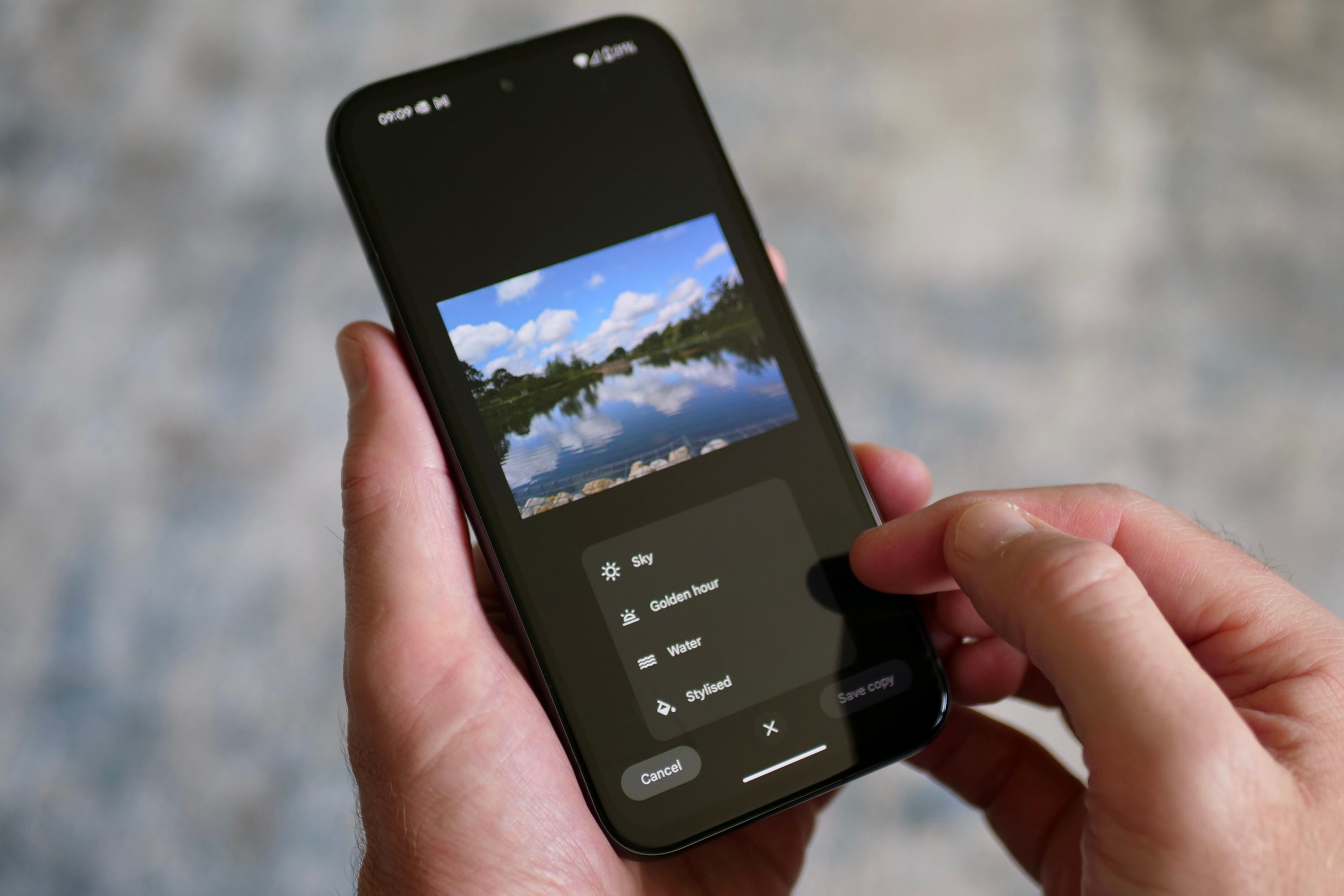
These features are already possible with AI image editing for photos, and I won’t be surprised to see Google pushing it as a standout Pixel 10 perk. I am just hoping that Google doesn’t lock these features to the Pro models, especially because all the models will likely rely on the same silicon.
Moving away from apps
Google has already created a system called apps, formerly known as extensions, that allows Gemini to interact with connected platforms. For example, it can pull up details from Gmail, add an entry to Tasks, handle WhatsApp, among others. It’s still a work in progress in terms of adoption, but on the Pixel 10, we are going to see agentic capabilities that go beyond apps.

The secret sauce is Project Mariner, and it comes to life courtesy of AI mode in the Search app. To begin with, it can autonomously handle chores like ticket bookings, reservations, or shopping based on simple text input like “find me three tickets to the Arsenal game on Sunday, and prefer low-cost seats.”
Instead of having users dig through Google search and deal with booking apps, Project Mariner will handle the tedious part. While that is impressive in itself, AI mode queries will also take a look at tickets and reservations in the Gmail inbox (and Google apps) for tailored responses.
In a nutshell, even Google’s own apps will start losing their charm as the entire user interface shifts increasingly towards a unified AI-first Android experience. Likewise, for tasks that don’t require a Google Search, Gemini Live will take over. Given Google’s historical focus on AI accelerator chips and on-device processing, I am confident that the Pixel 10 will push these as a highlight benefit.
Right now, Gemini Live can only hold conversations based on what you say or what it sees through the camera. Soon, you will be able to execute tasks mid-way through voice chats across apps such as Calendar, Maps, and Tasks, among others. This will tie broadly into the Project Astra capabilities, which you can see in action above.
More of the same thing
The theme of AI was recurring during Google’s developers conference. If you care about the numbers, it was heard 92 times during the I/O keynote. As far as the Pixel 10 series phones go, leaks suggest they would look almost identical to their respective Pixel 9 series counterparts.
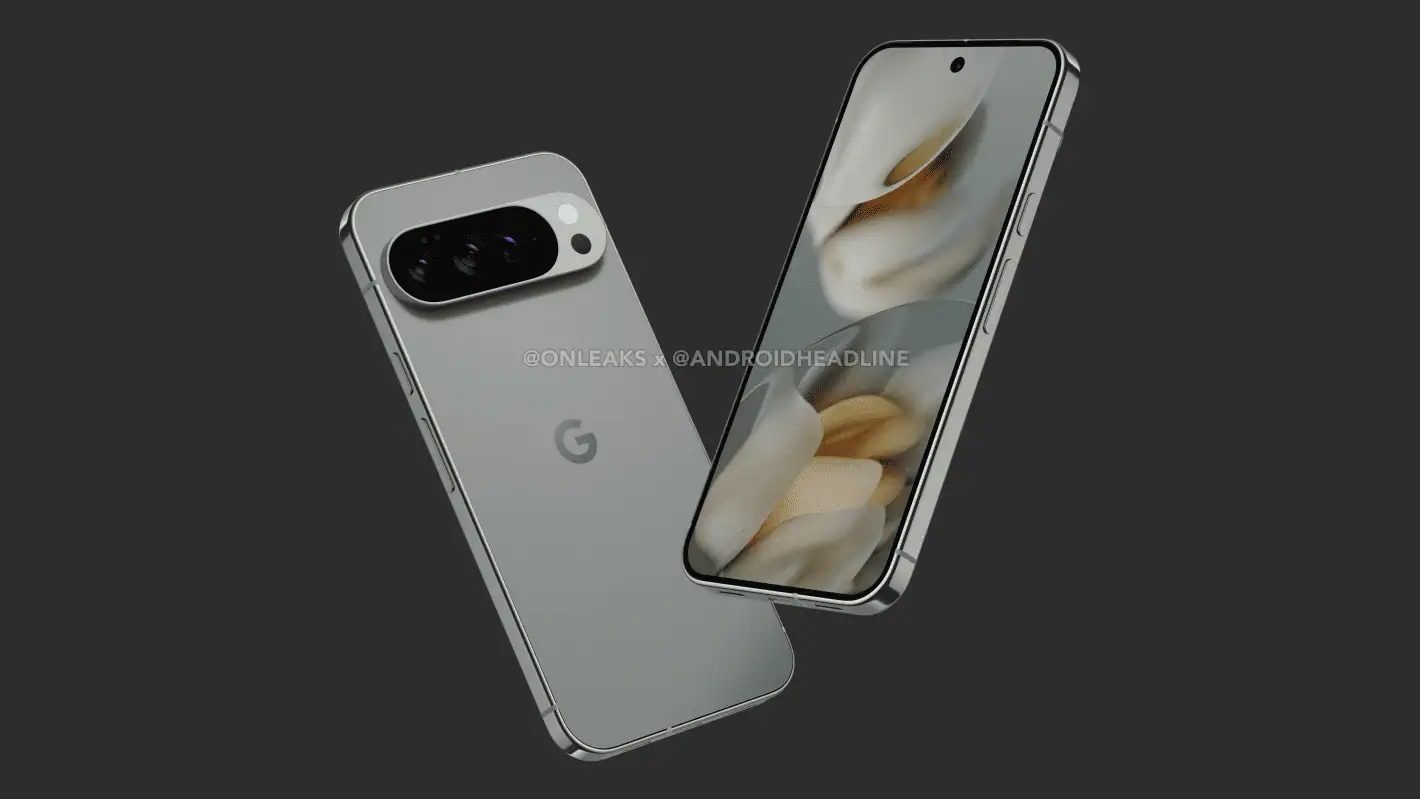
That leaves Google in a position where it has to innovate more with software than hardware possibilities. The question is, just how far can Google go with the Android and AI experiences to make the Pixel 10 Pro feel fresh, when it serves essentially the same hardware formular as its predecessor.
Apple is no stranger to this strategy, and neither is Samsung. It’s a meaningful strategy, as it allows engineers to further refine the hardware at hand, and build meaningful software experiences. It remains to be seen whether the Pixel 10 series can make a leap.