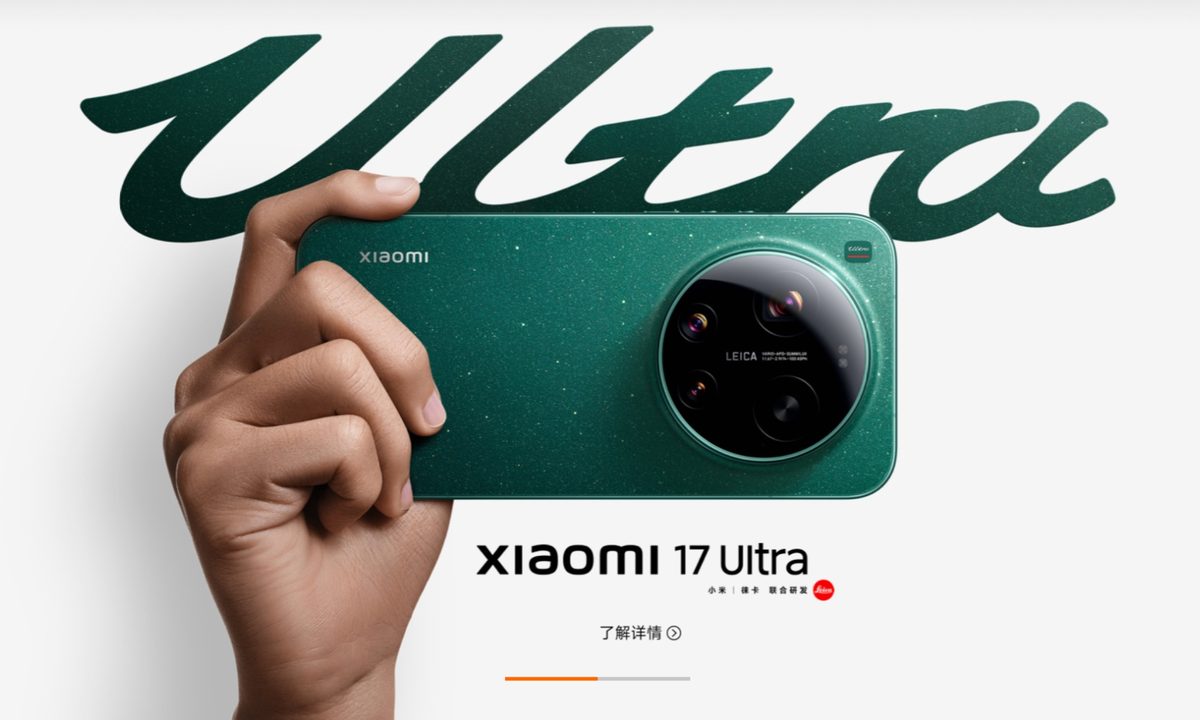
After months of rumors and anticipation, the Chinese smartphone manufacturer Xiaomi has released its iPhone 17 Pro Max and Galaxy S25 Ultra rival: the Xiaomi 17 Ultra Leica Edition (in addition to the regular Ultra version).
Right off the bat, it is one of the best camera-centric smartphones we’ve seen this year, featuring a circular rear camera setup with a physical zoom ring (similar to DSLR cameras).

Why Xiaomi’s zoom ring is more than a gimmick
At the center of the Xiaomi 17 Ultra’s camera setup is a 200MP (f/2.4-2.9, 1/1.4″) periscope telephoto camera that provides continuous zoom from 75 mm (f/2.4, 3.2x) to 100 mm (f/2.9, 4.3x). The phone does so with the help of two fixed telephoto lenses (with different focal lengths) and digital interpolation in between.
Usually, smartphones don’t provide continuous optical zoom because they lack the required hardware (which is present in DSLR or mirrorless camera lenses). However, the Xiaomi 17 Ultra offers a breakthrough in this regard, with a continuous zoom range of 3.2x to 4.3x.
On top of that, you can control the optical zoom range by rotating the exterior edge of the camera module, just as you would on a DSLR. In addition to the focal length, the zoom ring also helps users adjust exposure compensation, white balance, and likely other options available in Pro mode.
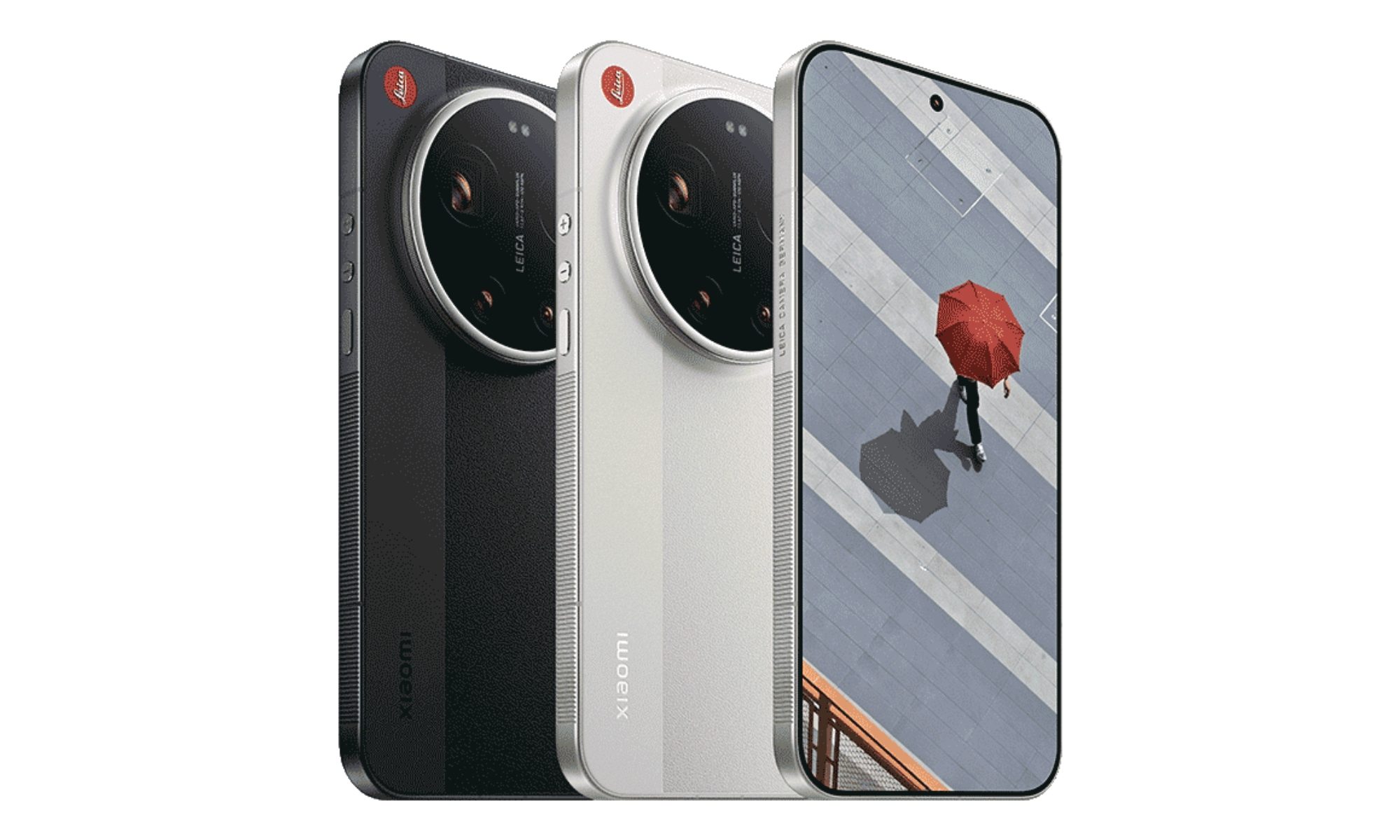
Besides the 200MP zoom camera, the Xiaomi 17 Ultra features a 50MP (f/1.7) primary camera and a 50MP (f/2.2) ultrawide camera with autofocusing abilities. Xiaomi has also included a time-of-flight sensor, which should improve edge detection in portrait mode and enhance the camera’s focusing capabilities.
The Xiaomi 17 Ultra can record 8K videos at 30 fps, 4K videos at 120 fps (limited to 4K at 60 fps on the front camera), and 1080p videos at up to 1920 fps. On the regular Xiaomi 17 Ultra, you get a similar camera setup, except for the mechanical zoom ring around the camera. The camera optics on both phones are developed in collaboration with Leica.
Beyond the cameras, the Xiaomi 17 Ultra checks every flagship box
When you’re done admiring the smartphone’s rear camera module, you’ll flip it around to the 6.9-inch 12-bit OLED LTPO screen, which reaches a peak brightness of 3,500 nits and supports a maximum refresh rate of 120Hz. The phone supports various HDR formats, including HDR10+ and Dolby Vision.
Under the hood, both the Xiaomi 17 Ultra variants run on the Snapdragon 8 Elite Gen 5 chipset (with the Adreno 840 GPU), feature up to 16GB of RAM (LPDDR5X), 1TB of storage (UFS 4.1), and a 6,800 mAh Si/C battery that supports 100W wired and 80W wireless charging.
Out of the box, the flagship runs Xiaomi’s HyperOS 3.0 user interface built on Android 16. Regarding pricing, the baseline Xiaomi 17 Ultra (12GB + 512GB) costs CNY 6,999 in China, about $996 in the U.S., whereas the Xiaomi 17 Ultra Leica Edition (16GB + 512GB) costs CNY 7,999, about $1,136.16.
Although Xiaomi has confirmed the global availability of its Ultra flagship, there’s no confirmation of its arrival in the United States (though a recent FCC listing offers some hope).