
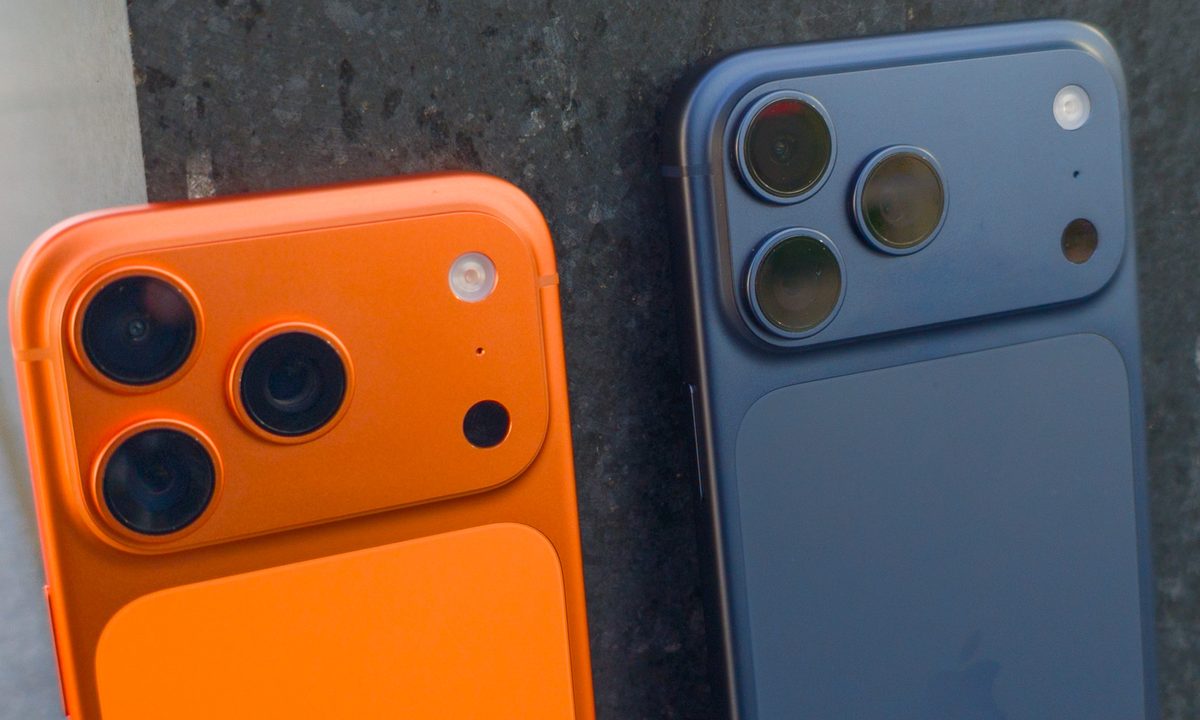
What’s happened? Apple is apparently set to simplify its Camera Control button, starting with the iPhone 18, and fully completely the process for the iPhone 20.
- The change is said to cut one sensing layer for the iPhone 18, and lines up a bigger haptic shift on the iPhone 20.
- Weibo leaker Instant Digital claims Apple will drop the capacitive layer and rely on a force sensor for light press, deeper press, and swipe.
- It would mean today’s mixed-sensor controls would eventually give way to a pressure-only sensor to trim cost and complexity.
- The same leaker points to a shift to piezoelectric ceramics to handle local feedback as Apple works toward replacing every moving key on the 2027 iPhone 20.
This is important because: Apple is trading complexity for reliability while setting the stage for a fully haptic interface. If accurate, the iPhone 18 camera key keeps familiar tricks without the pricier touch layer beneath it.
- A leaner design lowers parts and potential repair risk.
- You should still get light press, deep press, and a slide, all interpreted by the force sensor.
Recommended Videos
Why should I care? This touches daily muscle memory, from framing a shot to tweaking volume. The iPhone 18 camera key should feel the same in your hand, even if Apple quietly changes the tech under it.
- The iPhone 18 camera button should keep its gestures, they’ll just function without the need of the capacitive layer.
- Fewer layers usually mean fewer issues and trips to the Genius Bar.
- By 2027, precise haptic zones could make each button feel distinct and consistent.
Okay, so what’s next? Expect a quiet switch first, then the larger feel change.
- Watch for Apple to tune the camera UI so light press, firm press, and a slide feel deliberate.
- If on-device AI lands beside this, pressure levels could become shortcuts for modes or exposure locks.
Via MacRumors


